International School Award
2026 Journey
(Inspiring Global Learning)
Step into Riverside Schools' International School Award (ISA) 2026 journey through a dynamic showcase of collaborative projects, authentic learning experiences, and evidence of impact that exemplify our commitment to internationalism, cultural exchange, and excellence in education.
Rainbow Rendezvous: Exploring the magic of white light
This activity introduced learners to the significance of the colour white through hands-on exploration and collaborative learning. Pupils identified everyday white objects, discussed their uses, and participated in engaging activities that encouraged observation.
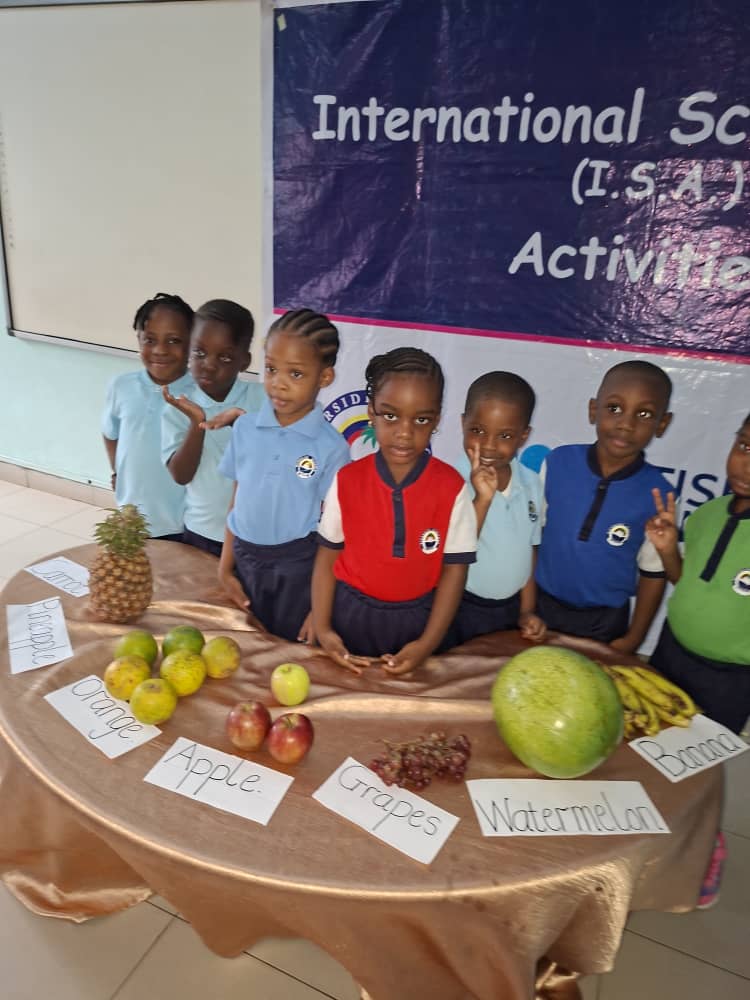
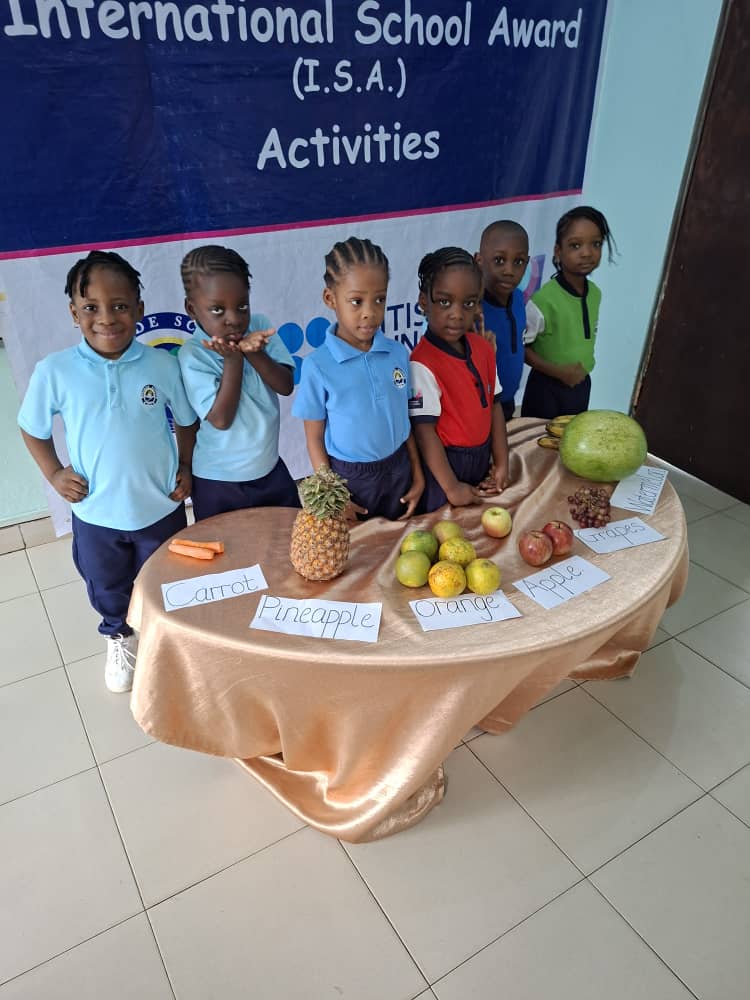
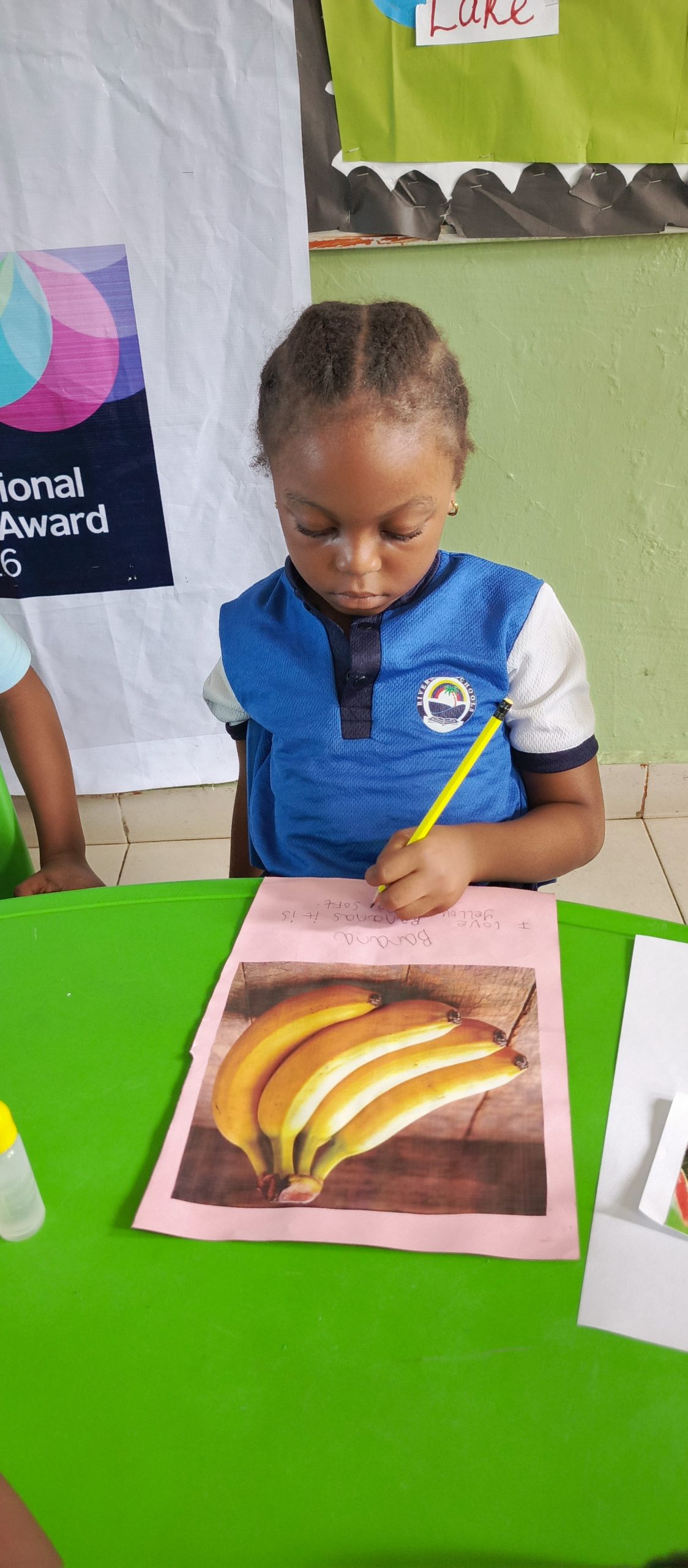
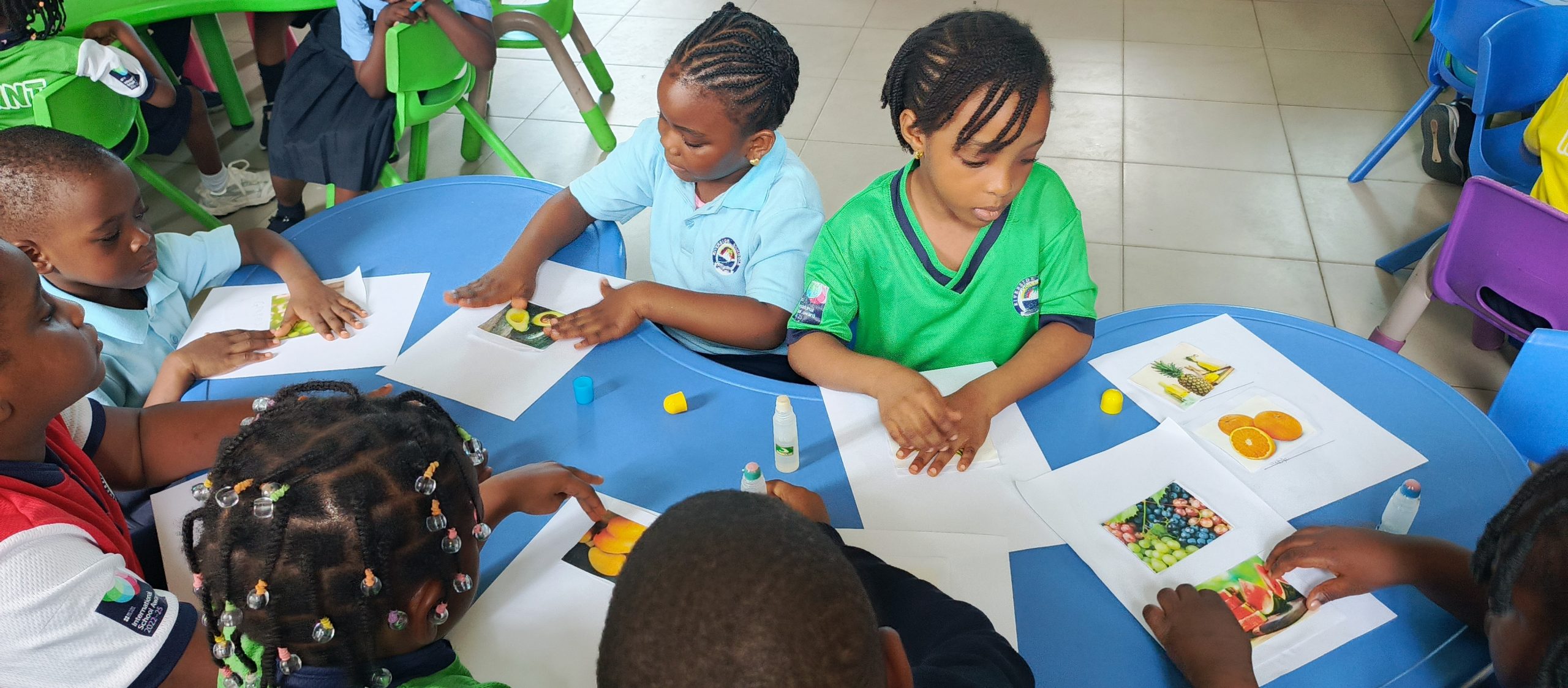
Activity 1 : Pupils Exploring Fruits of Different Colours
Pupils explored a variety of fruits of different colours, learning to identify them by name while discovering their nutritional values. Through observation and discussion, they developed healthy eating awareness and an appreciation for the importance of a balanced diet.


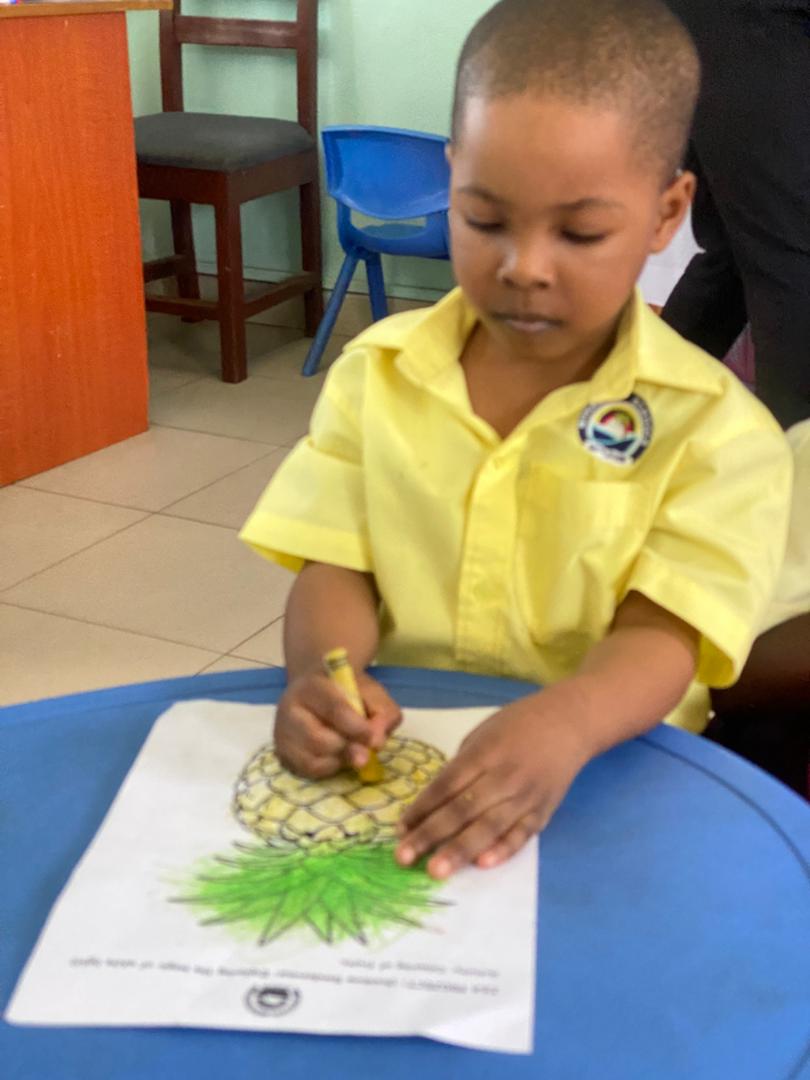
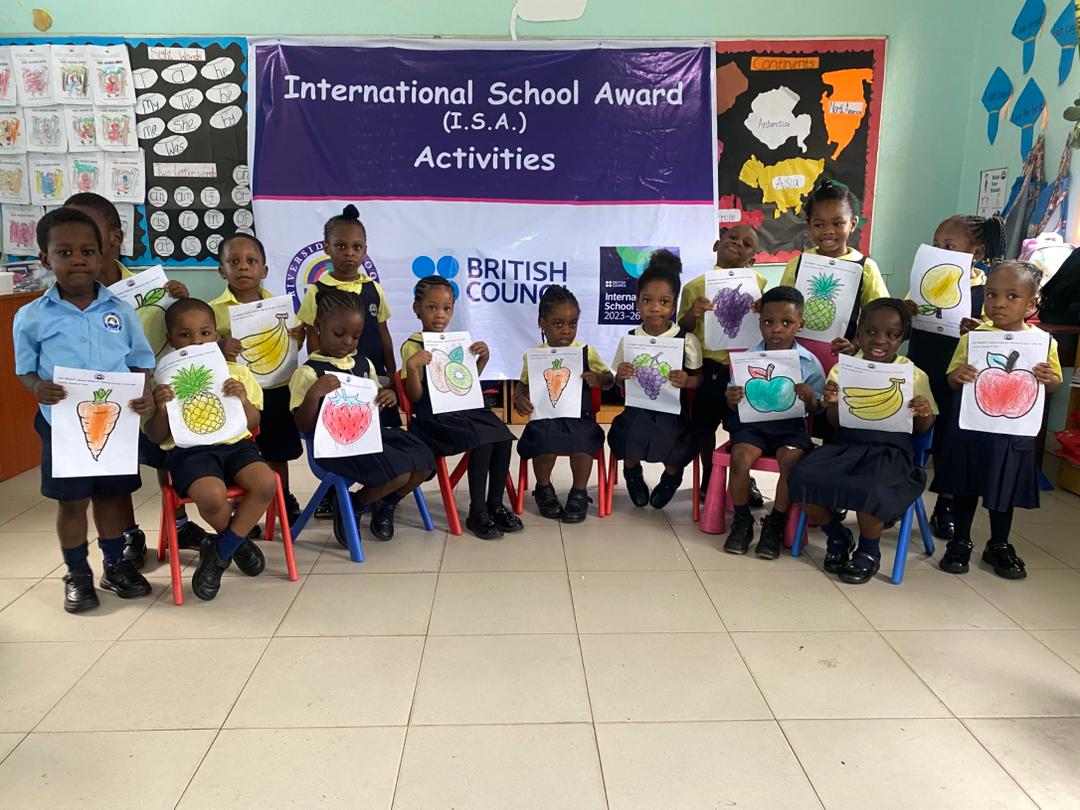
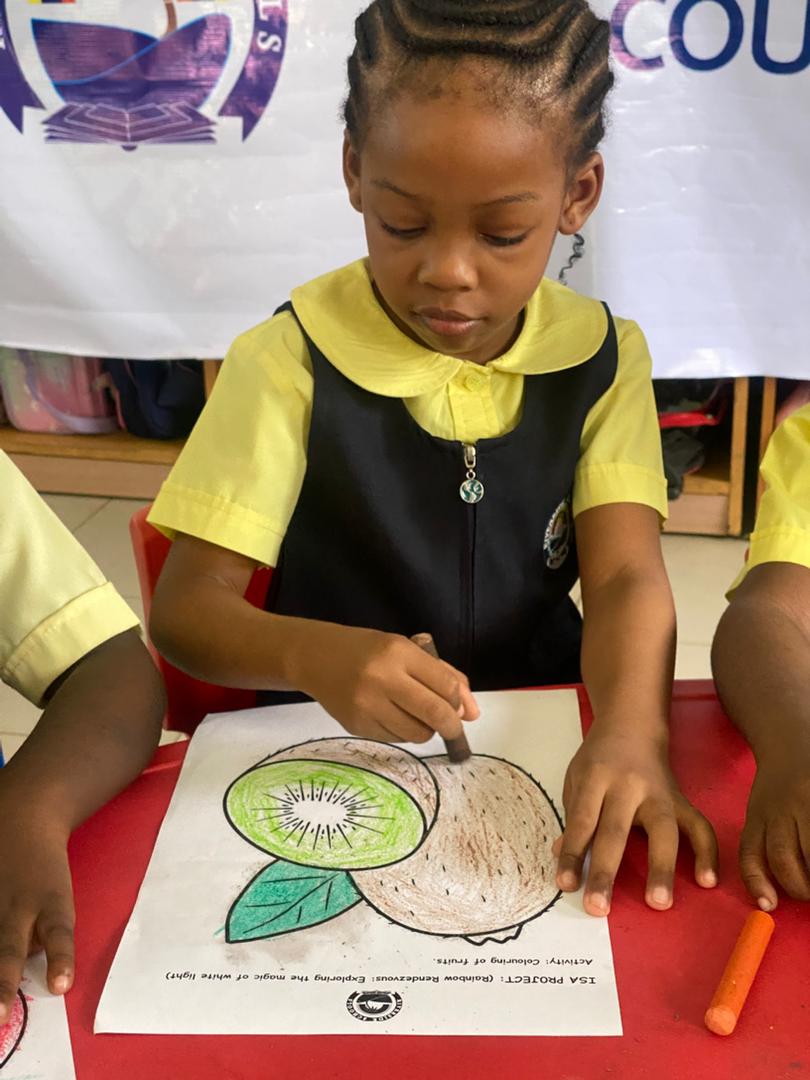
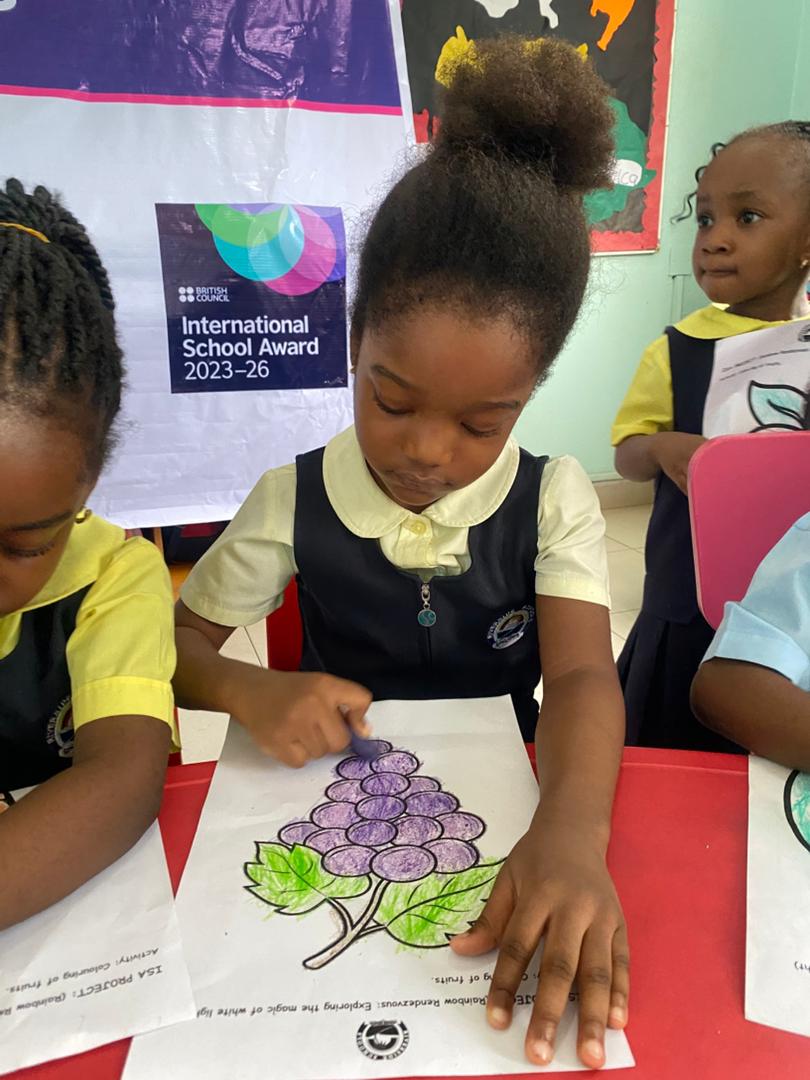
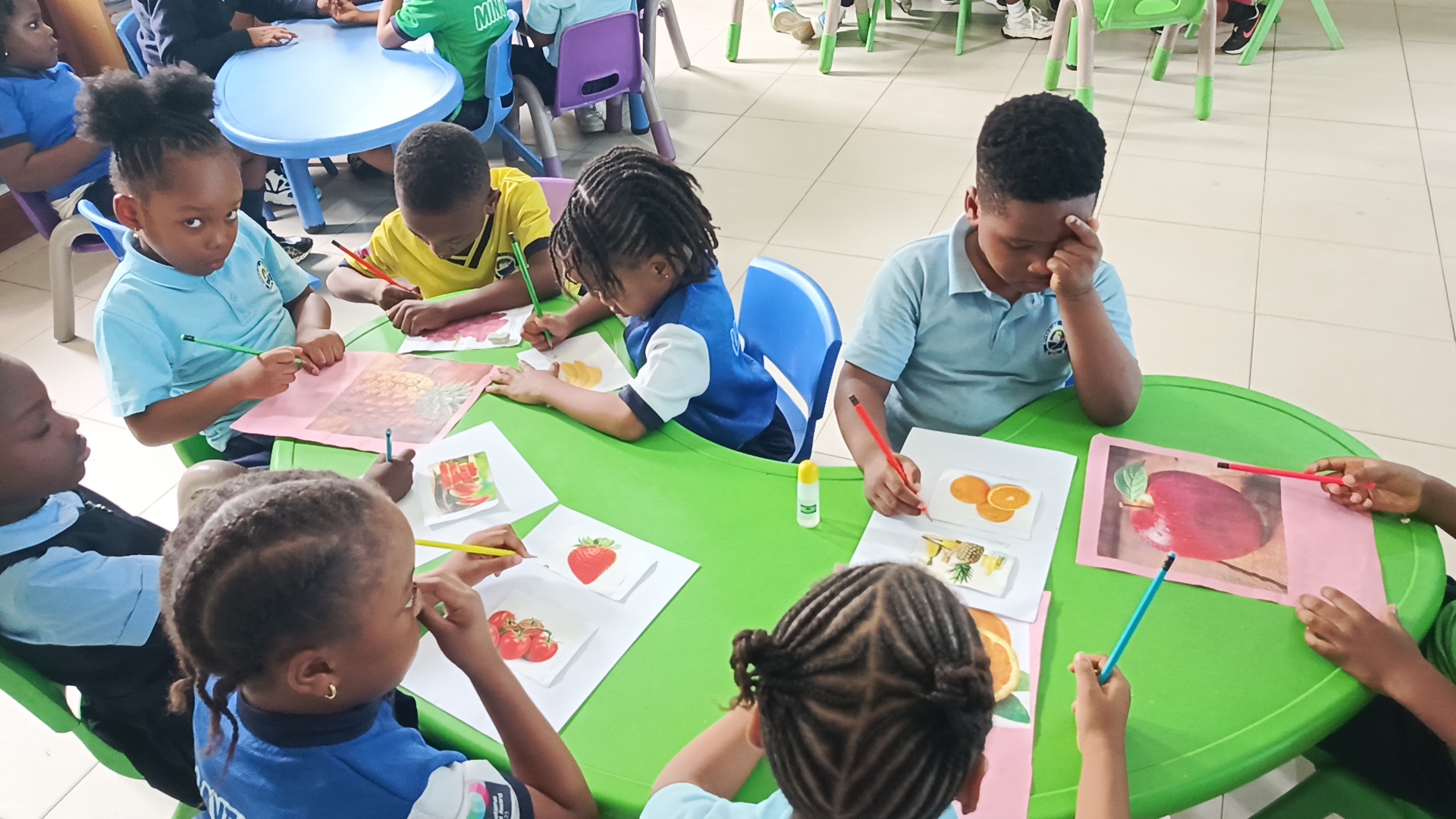
Activity 2 : Pupils Colouring a Worksheet on Fruits
Pupils coloured worksheets featuring different fruits, helping them identify various fruit types and their natural colours. The activity developed creativity, fine motor skills, and reinforced healthy eating concepts through an engaging hands-on exercise.
Activity 3: Making of a Scrapbook
Pupils worked collaboratively to create a scrapbook showcasing the highlights of the project. They organised photographs, artwork, and written reflections to document their learning journey, encouraging creativity, teamwork, and effective communication.

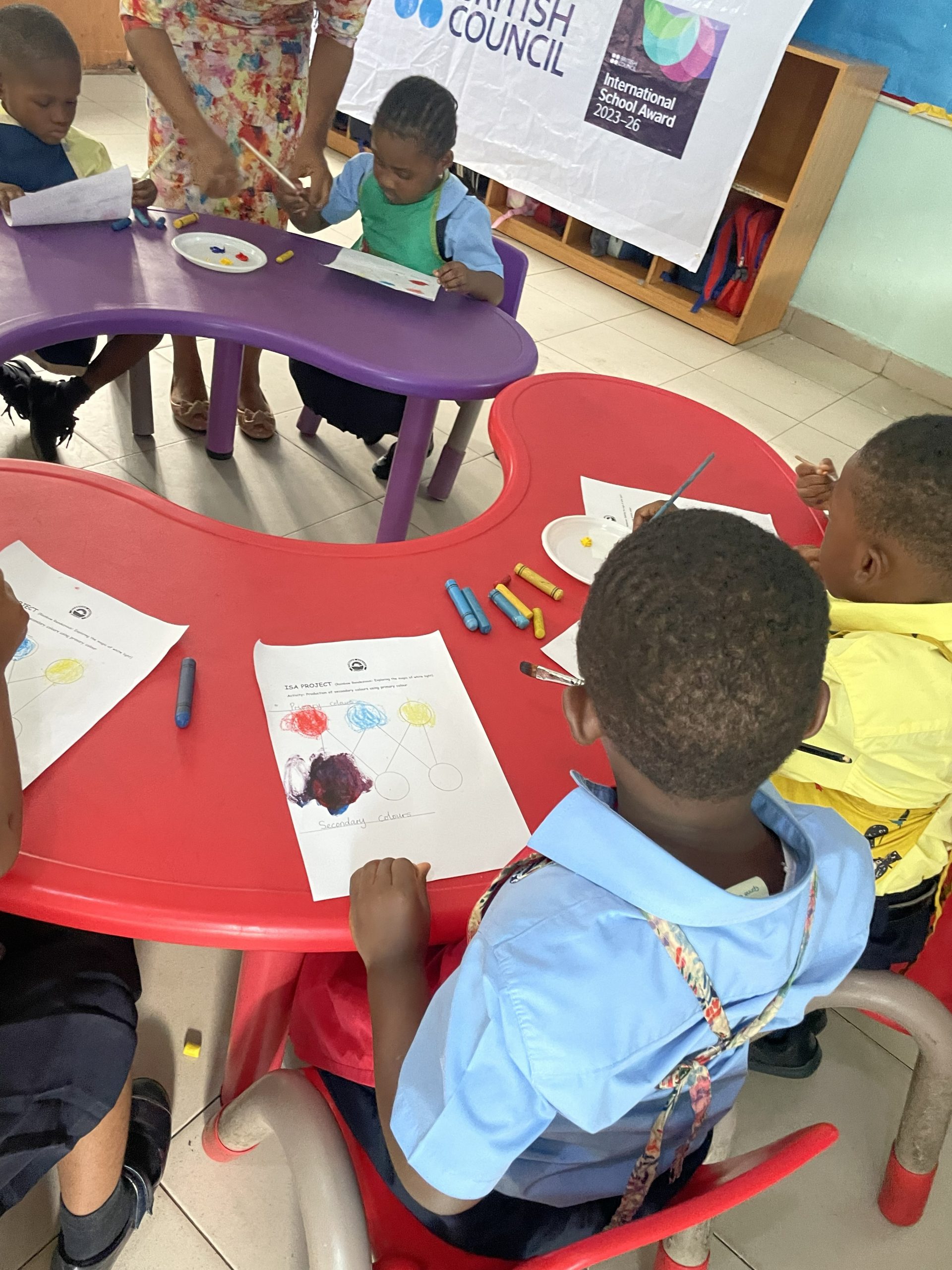
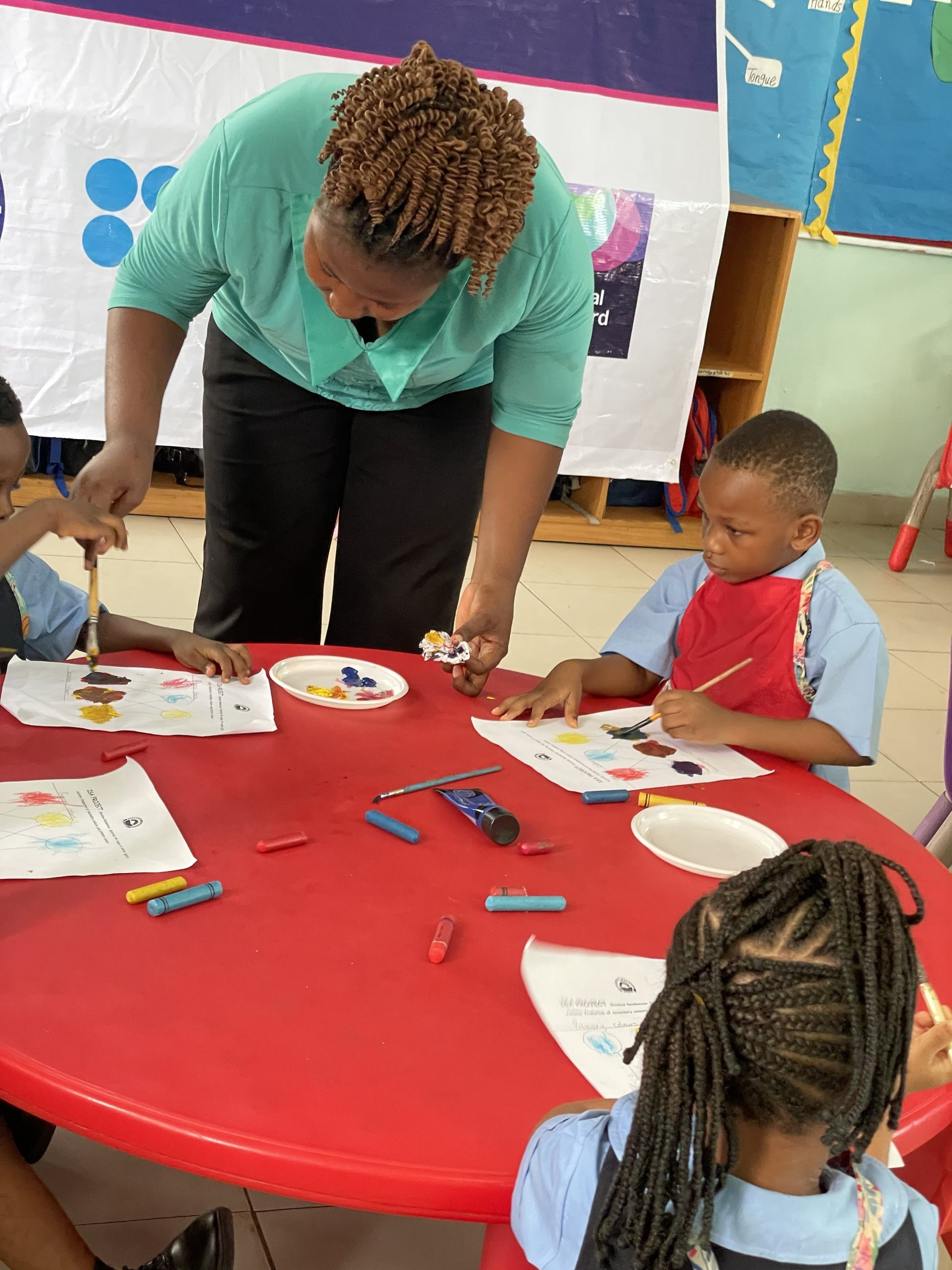
Activity 4: Pupils Mixing Primary Colours
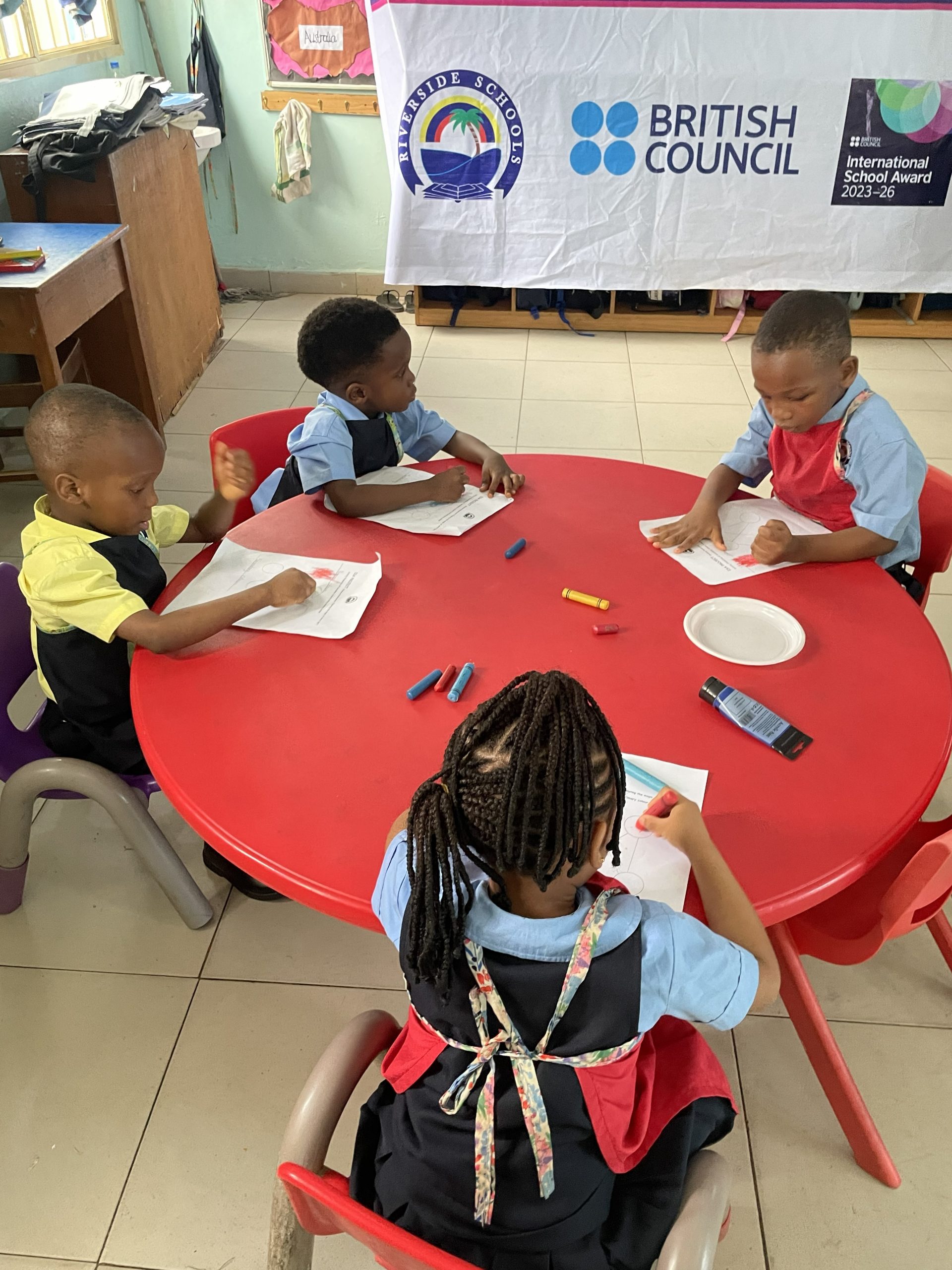
Pupils explored the three primary colours through hands-on mixing activities, discovering how different colour combinations produce secondary colours. The activity encouraged creativity, observation, and practical learning.
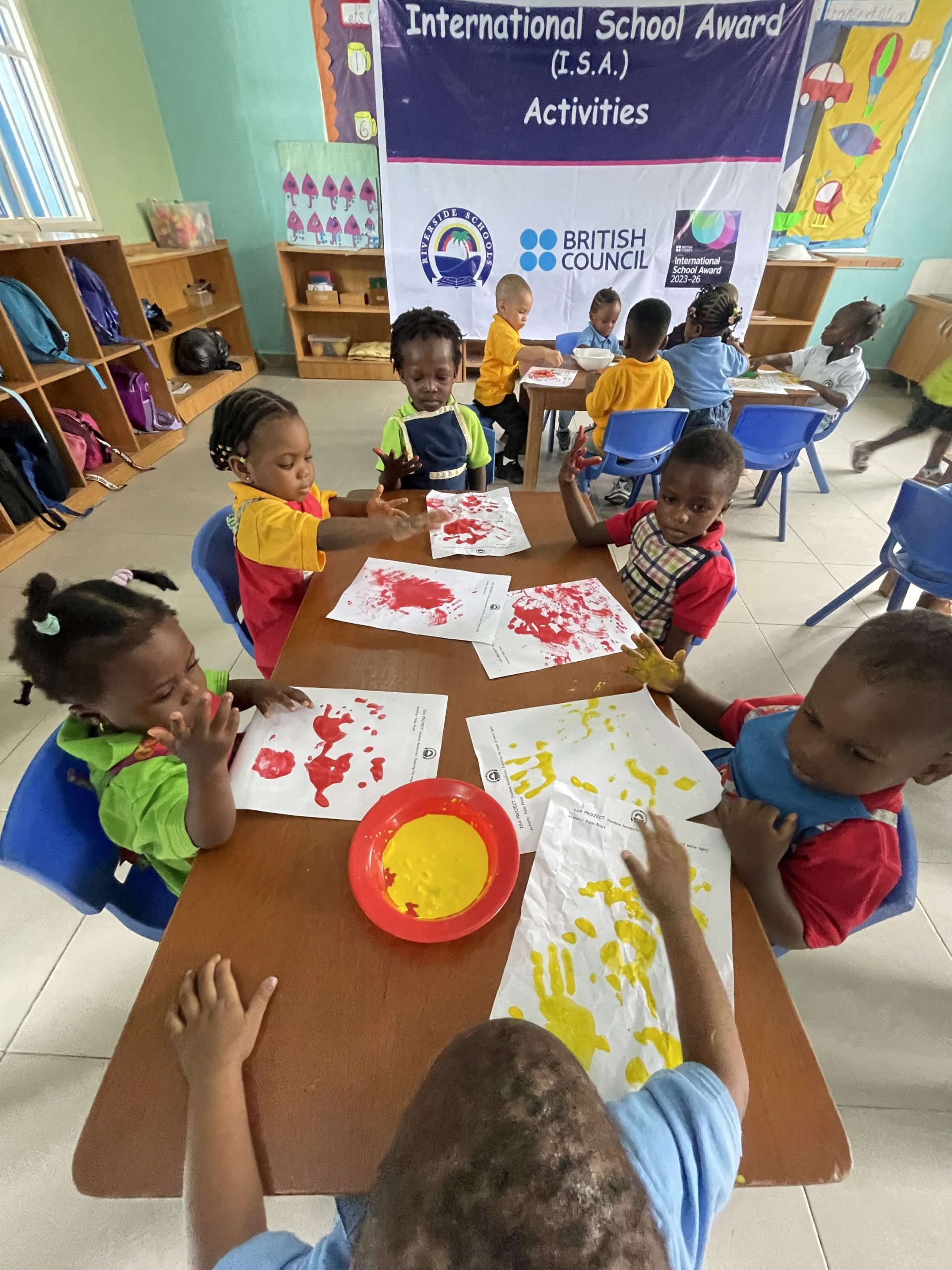
Activity 5: Palm Print , Colour sorting and Collage
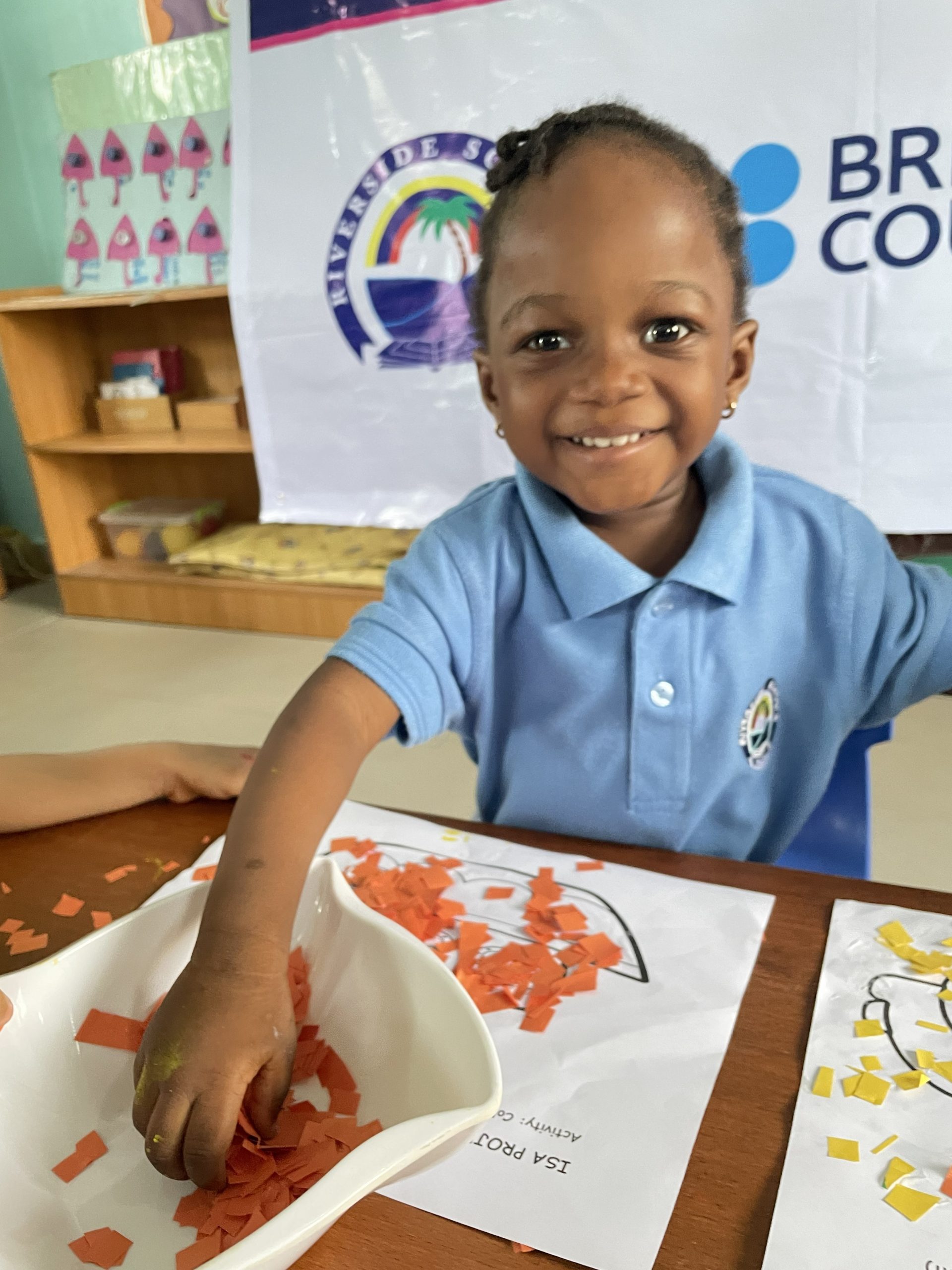
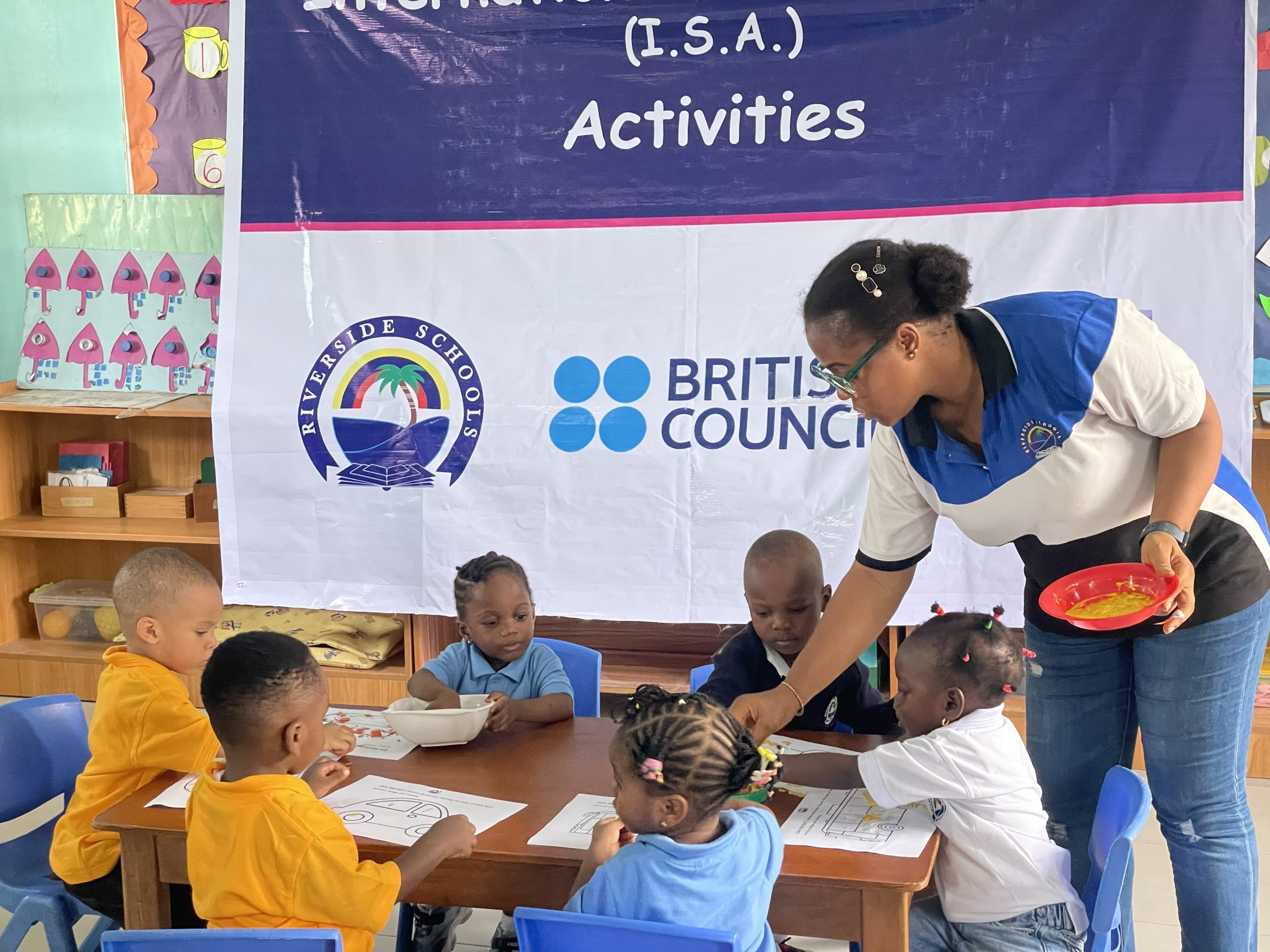
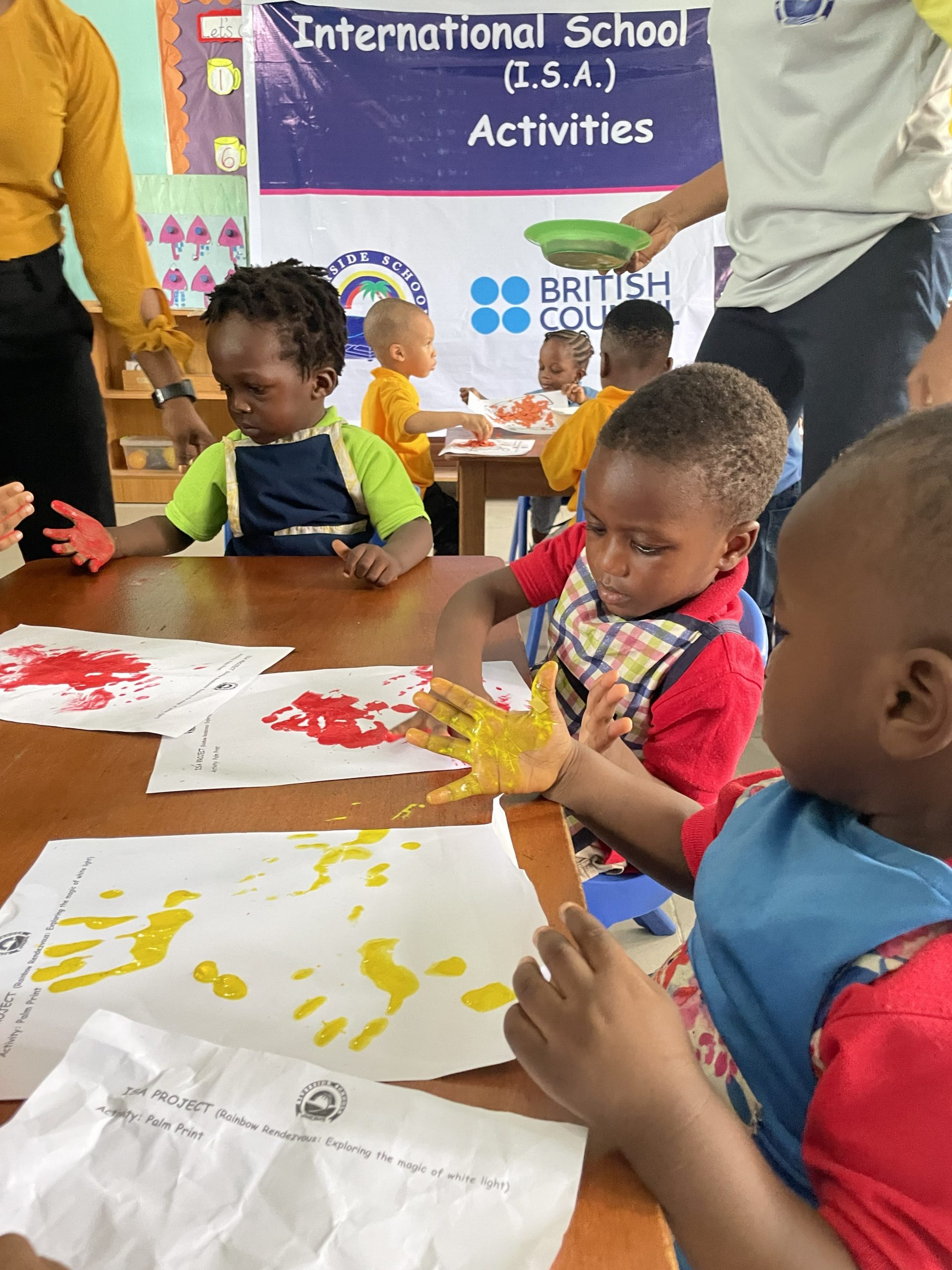
Pupils created colourful palm print and collage artworks using a variety of materials. The activity encouraged creativity, teamwork, and self-expression while helping learners develop fine motor skills and an appreciation for art through hands-on learning.
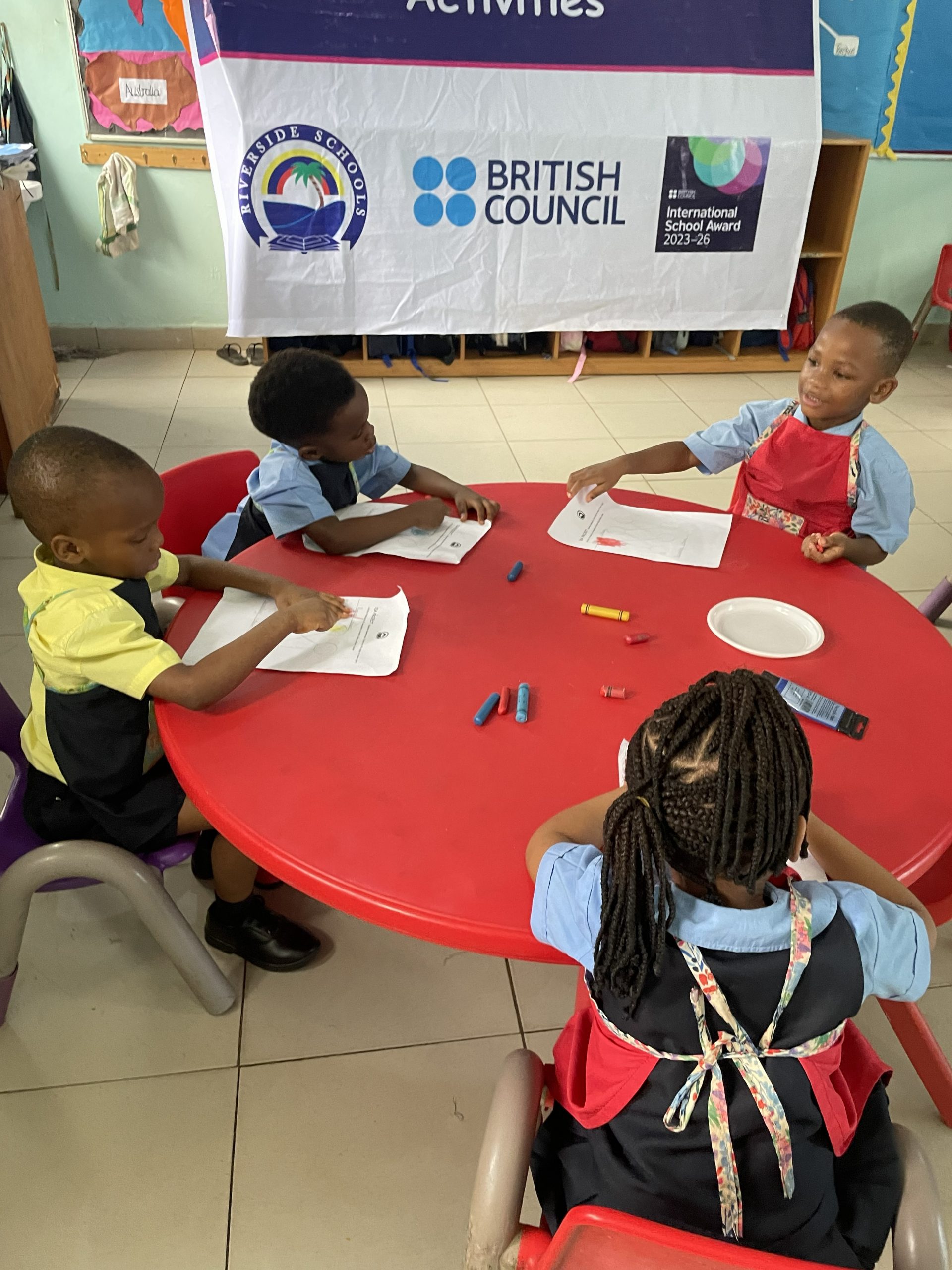
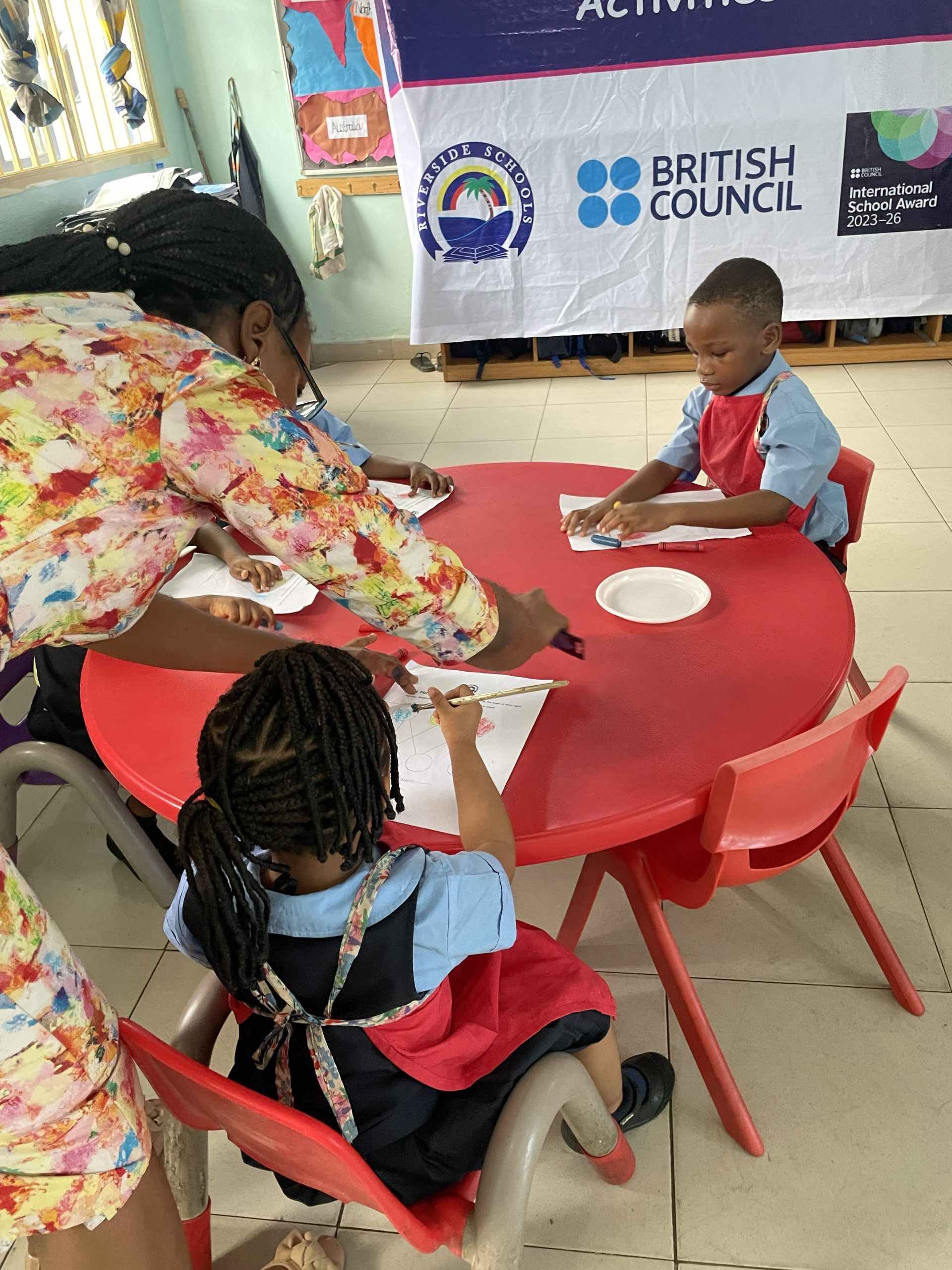
Activity 6 : Creating pictures and patterns using colours
As part of the Rainbow Rendezvous project, pupils designed and created colourful pictures and patterns using a variety of art materials. The activity promoted creativity, collaboration, and self-expression while helping learners appreciate the role of colours in art, culture, and everyday life. It also reinforced the values of diversity and inclusion through collaborative artistic exploration.

Activity 7 : Colour Day – Exploring the Holi Festival
Pupils watched a short video about the Holi Festival, learning about its colourful traditions, cultural significance, and message of unity and joy. The activity promoted cultural awareness, respect for diversity, and an appreciation of global celebrations.
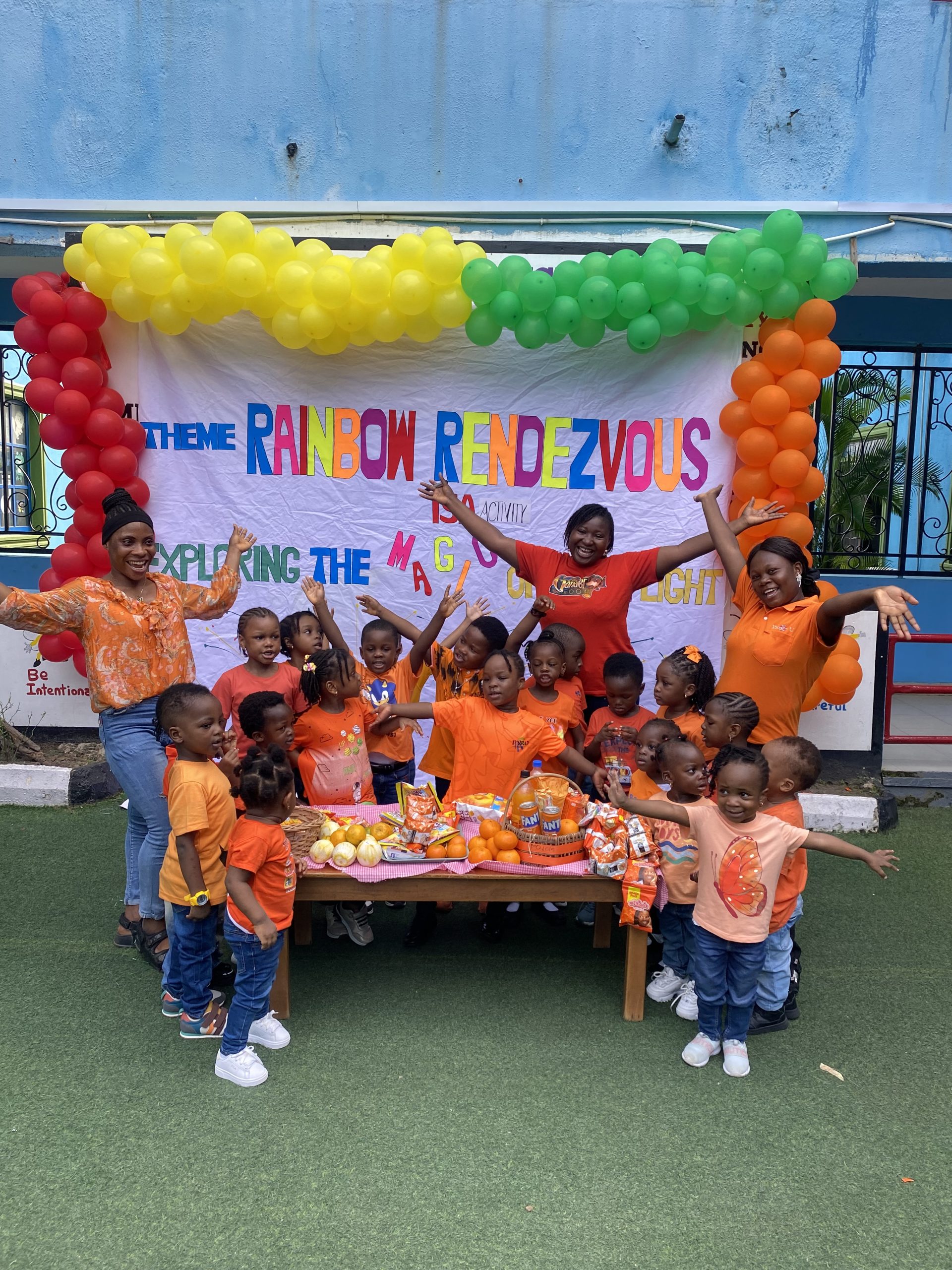


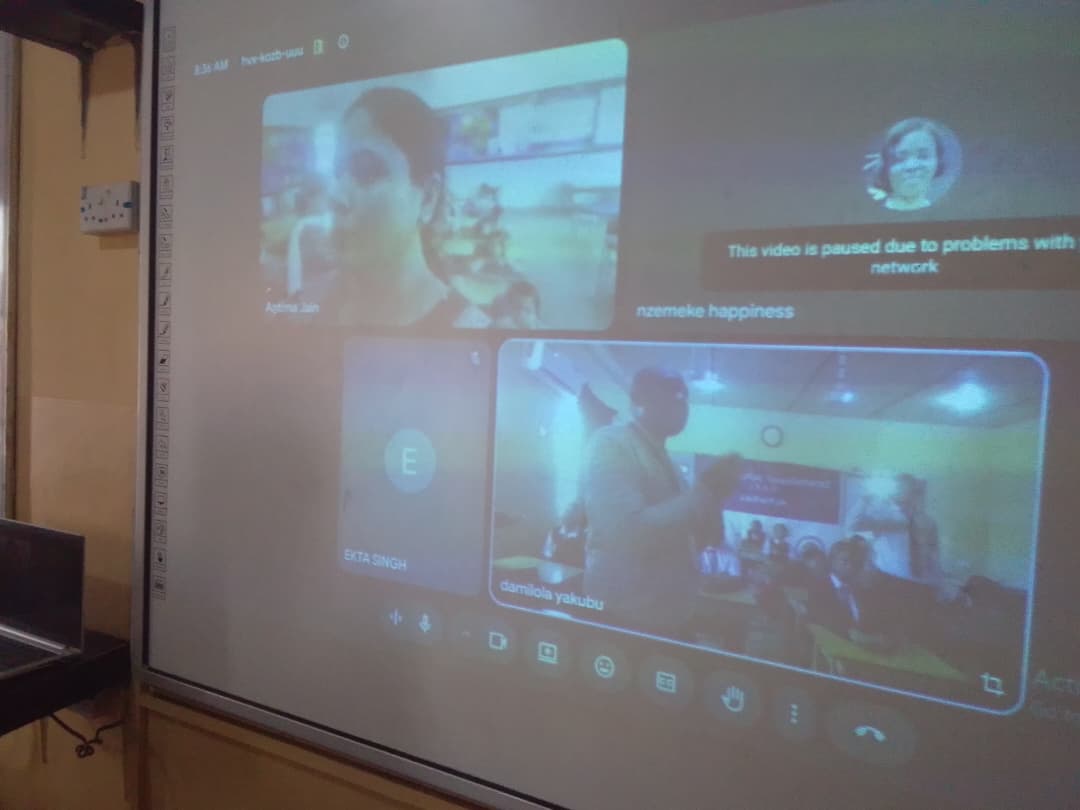
Activity 8: International Collaboration
Pupils collaborated with learners from another country, sharing ideas and learning about each other's cultures through a virtual exchange. The activity fostered global citizenship, communication, and mutual respect while strengthening international friendships.

Fuel My Body: A Quest for a Balanced Meal
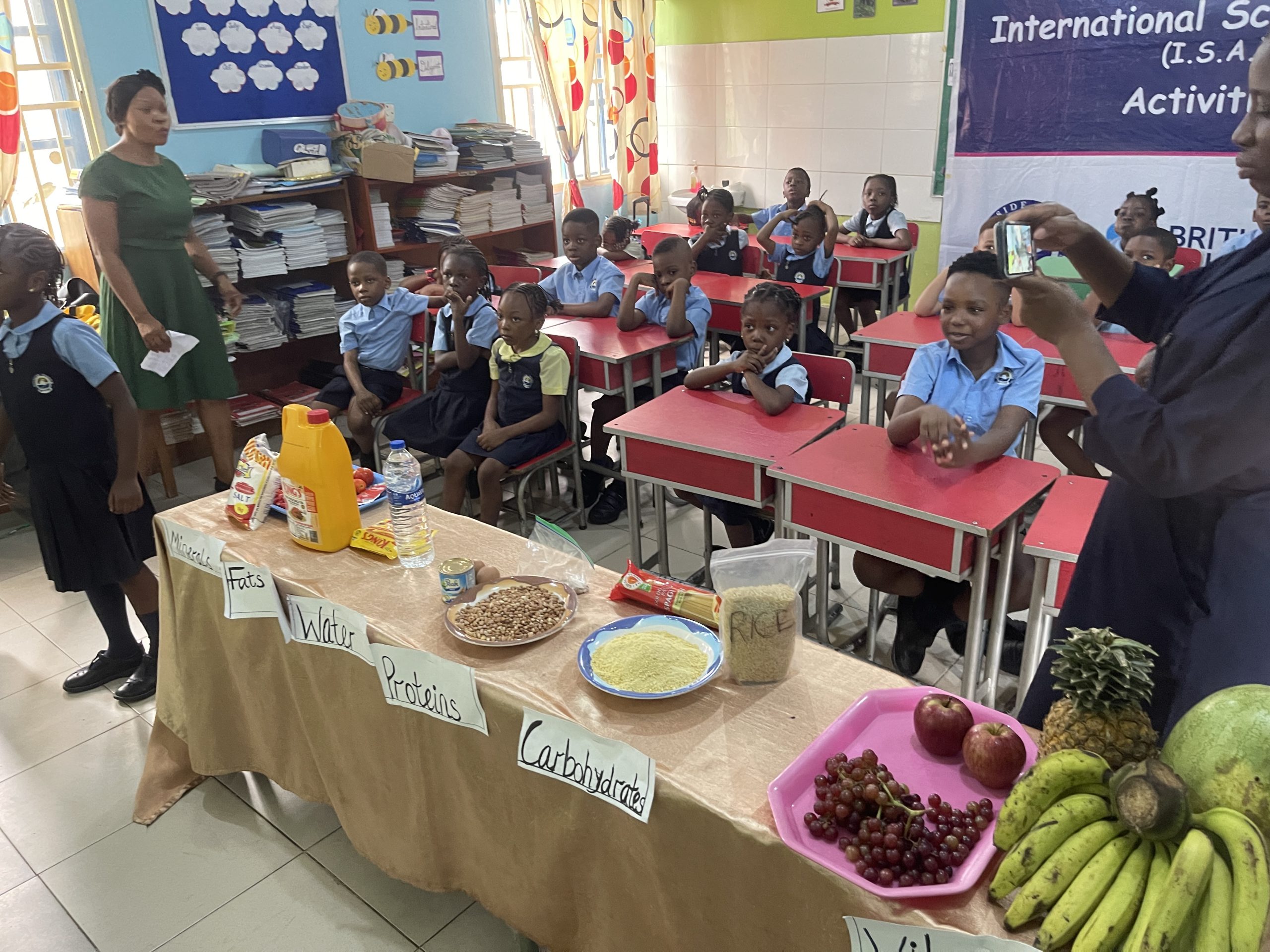
Learners explored the importance of healthy eating by identifying the different food groups and understanding the components of a balanced diet. Through practical demonstrations and discussions, they discovered how proper nutrition supports growth, energy, and overall well-being.
Activity 1: Pupils Researching Nigerian and Asian Foods
Pupils researched and compared traditional foods from Nigeria and Asia, exploring their ingredients, nutritional benefits, and cultural significance. The activity promoted healthy eating, cultural awareness, and an appreciation of global food diversity.


Activity 2: Making the Scrapbook
Pupils brainstormed ideas and worked together to create a scrapbook featuring traditional foods from Nigeria and Asia. Through research, discussion, and creative design, they compared different cuisines while developing teamwork, creativity, and an appreciation for cultural diversity.
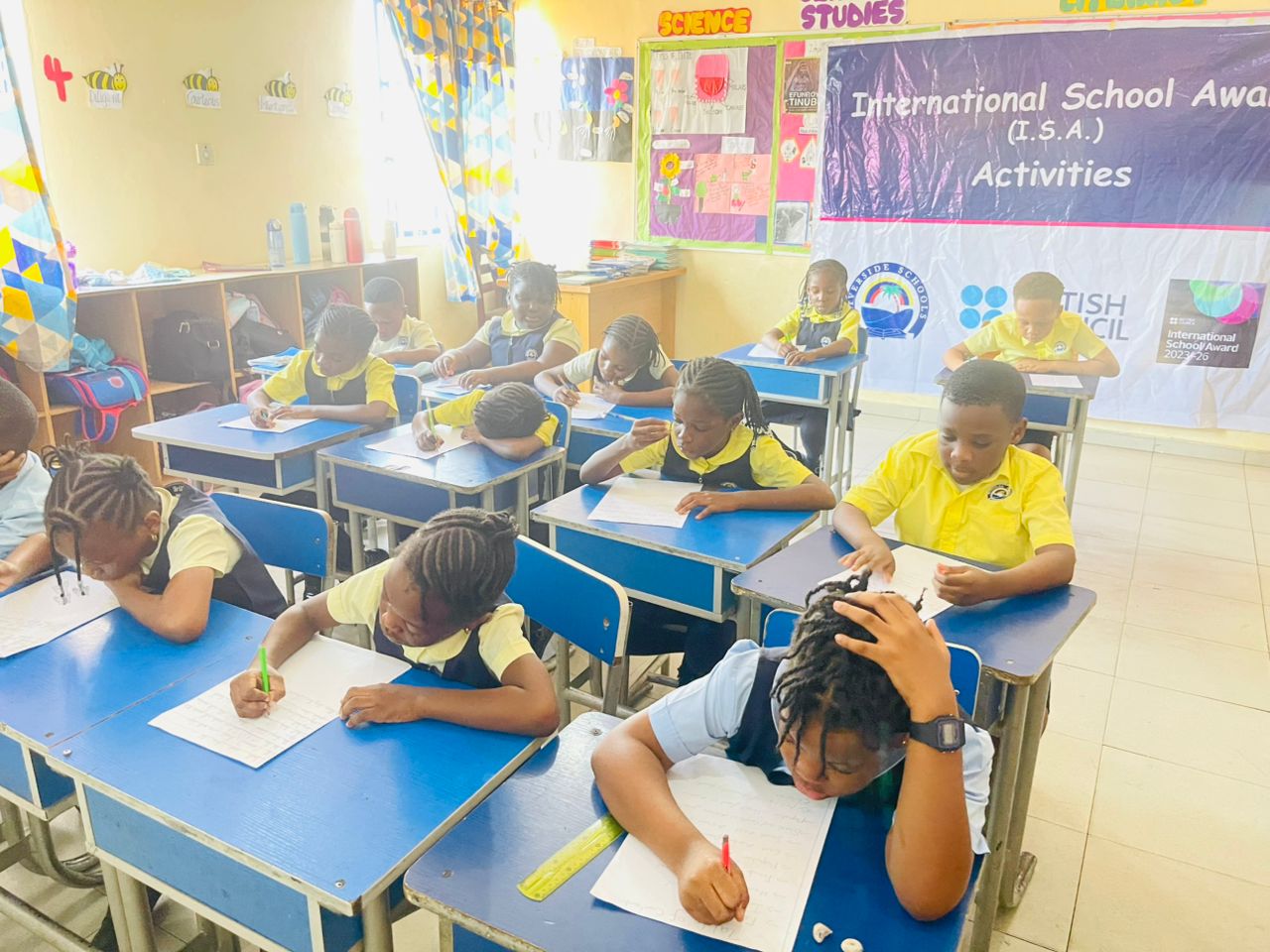

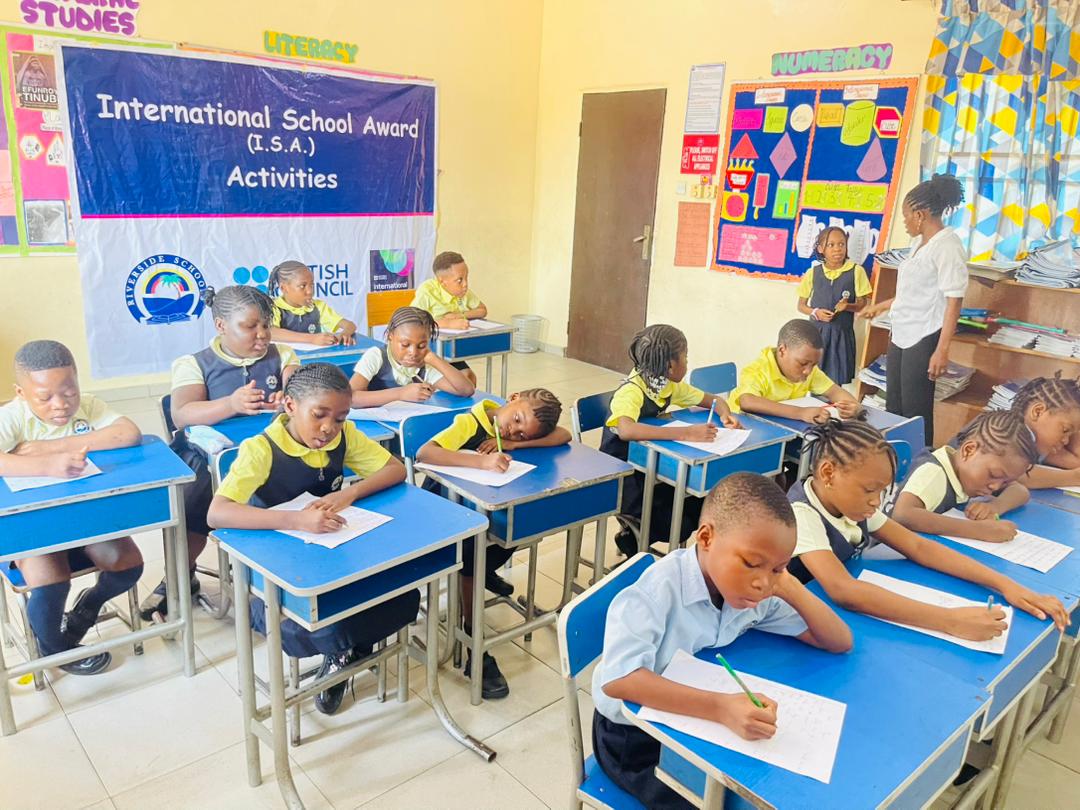

Activity 3: Exploring Food Through Language and Music
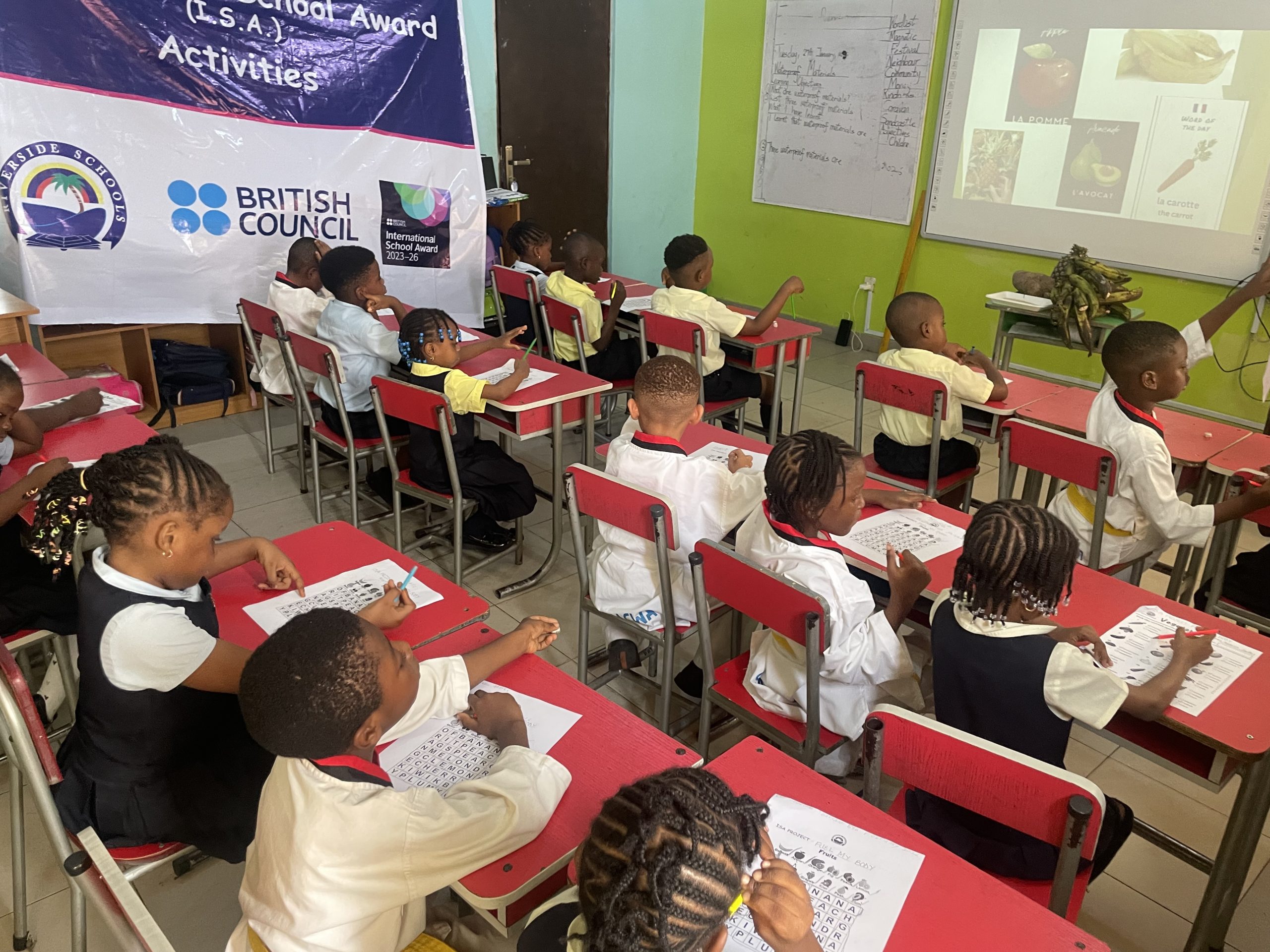
Pupils learnt songs about food in French and Yoruba and practised identifying different foods in French. The activity combined music and language learning to enhance vocabulary, cultural appreciation, and communication skills in a fun and interactive way.

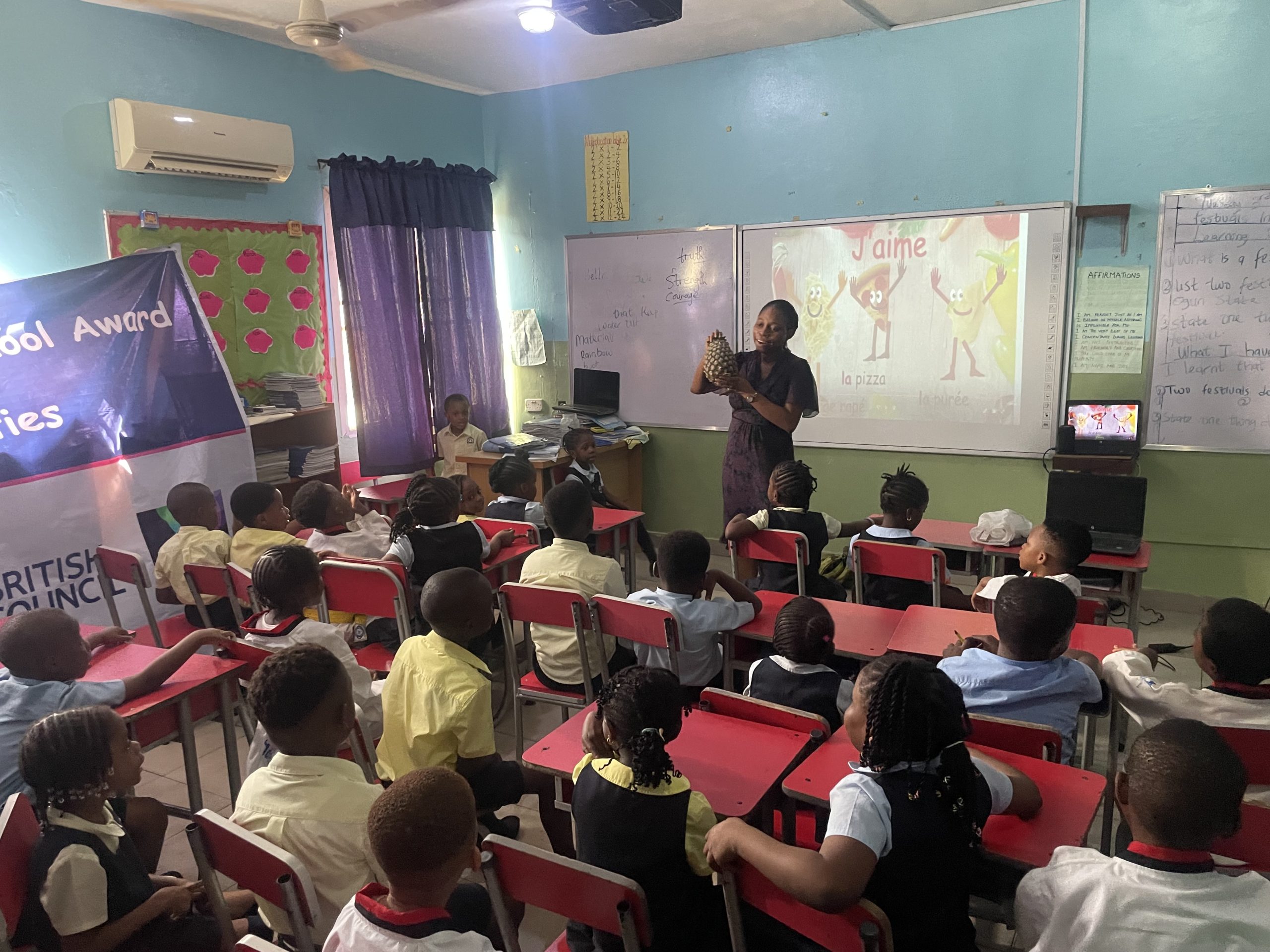


Activity 4: Food Collage Display
Pupils created and displayed collages of traditional foods from Nigeria and Asia, exploring the diversity of both cultures through creative artwork. The activity promoted teamwork, creativity, and an appreciation of global food cultures.
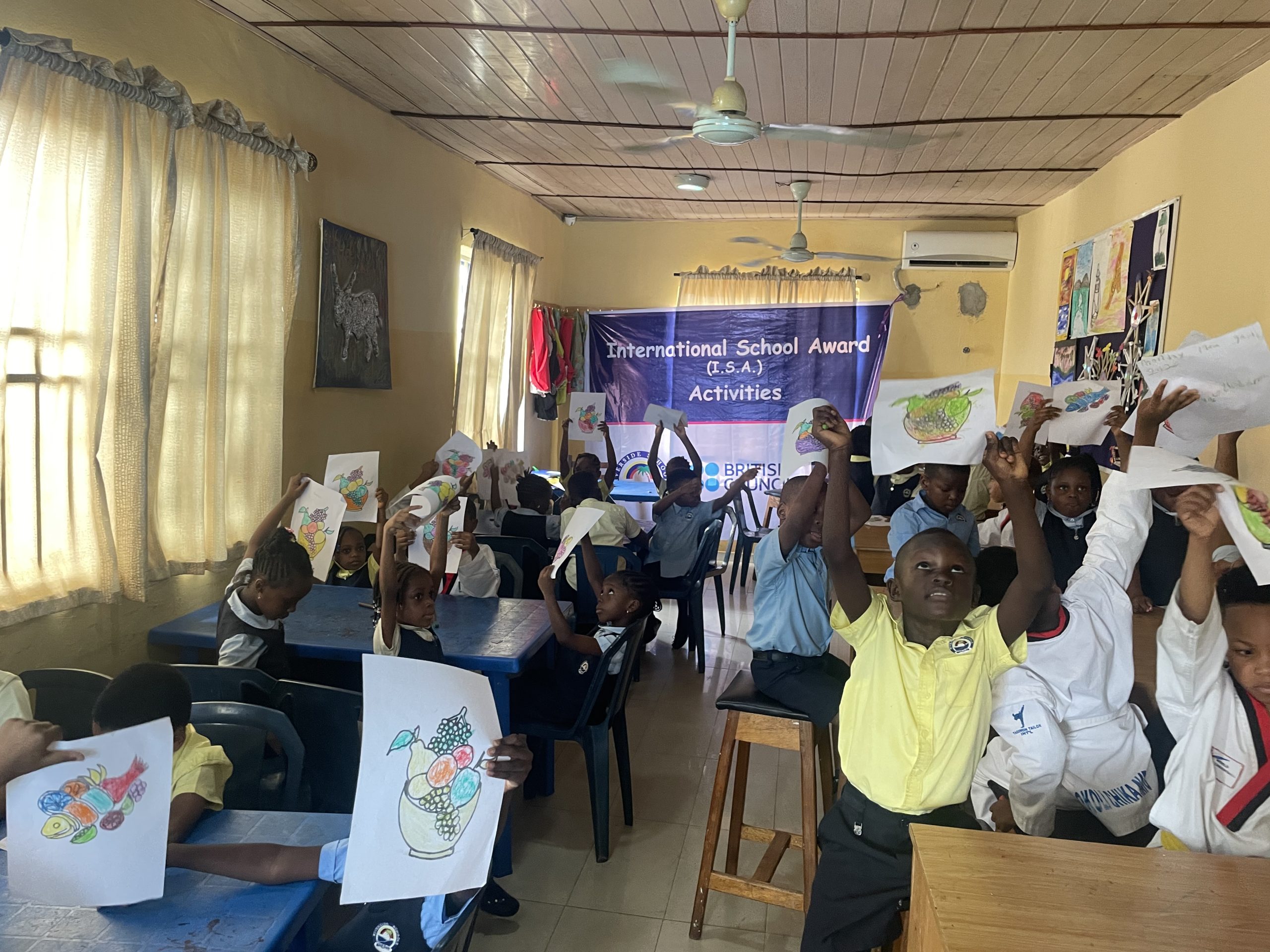
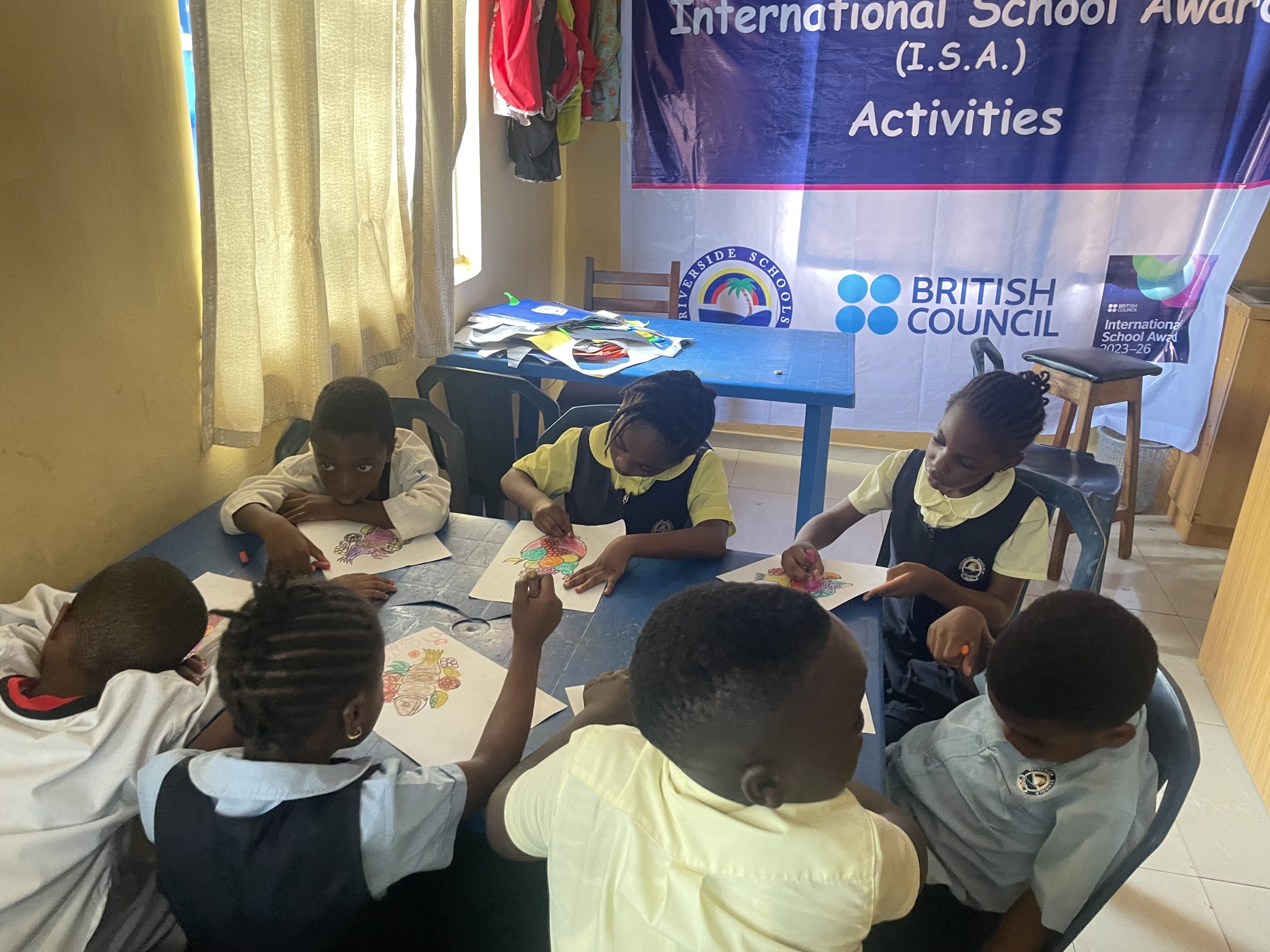
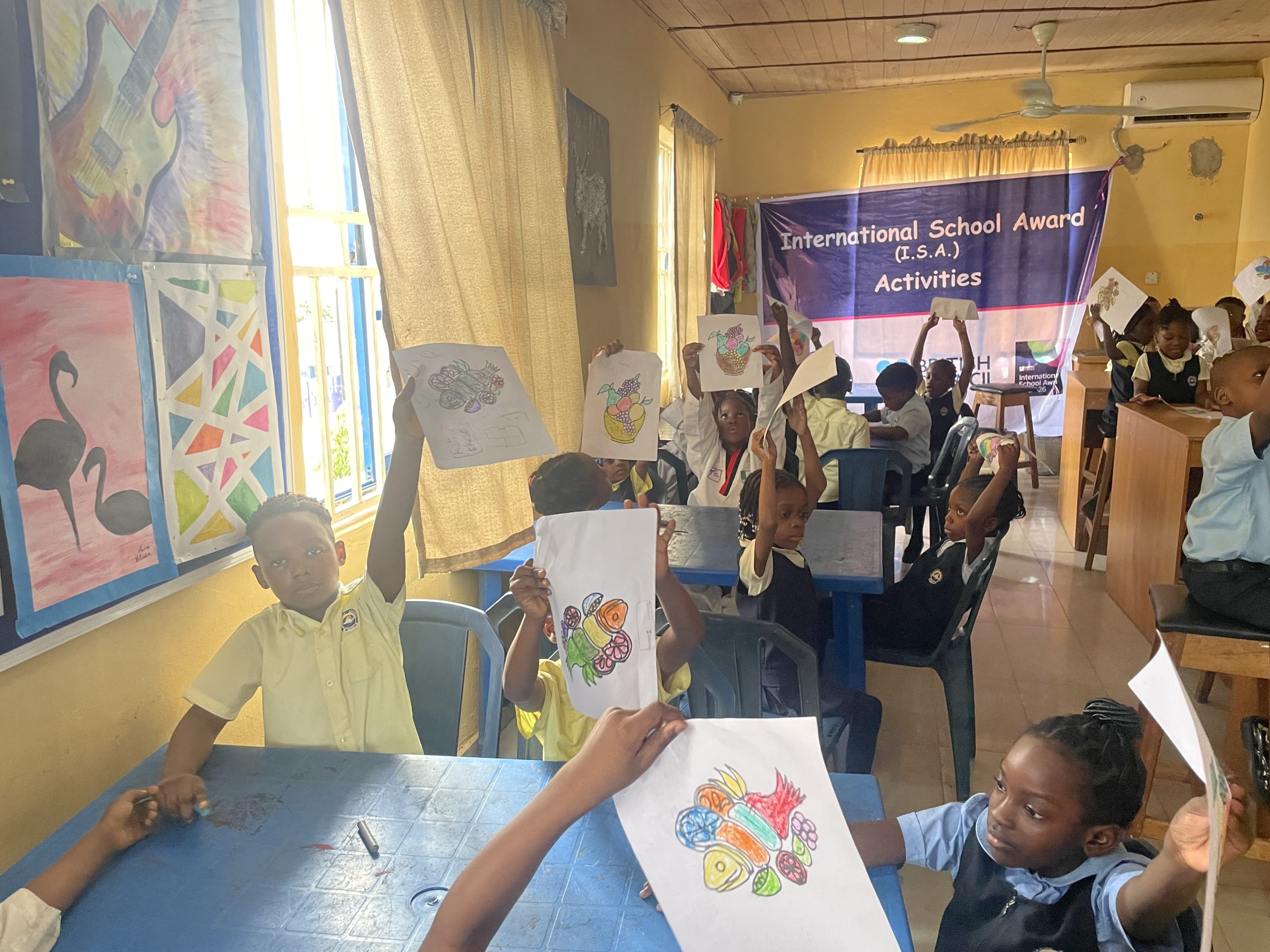
Activity 5: Worksheet Activities on Nigerian and Asian Foods
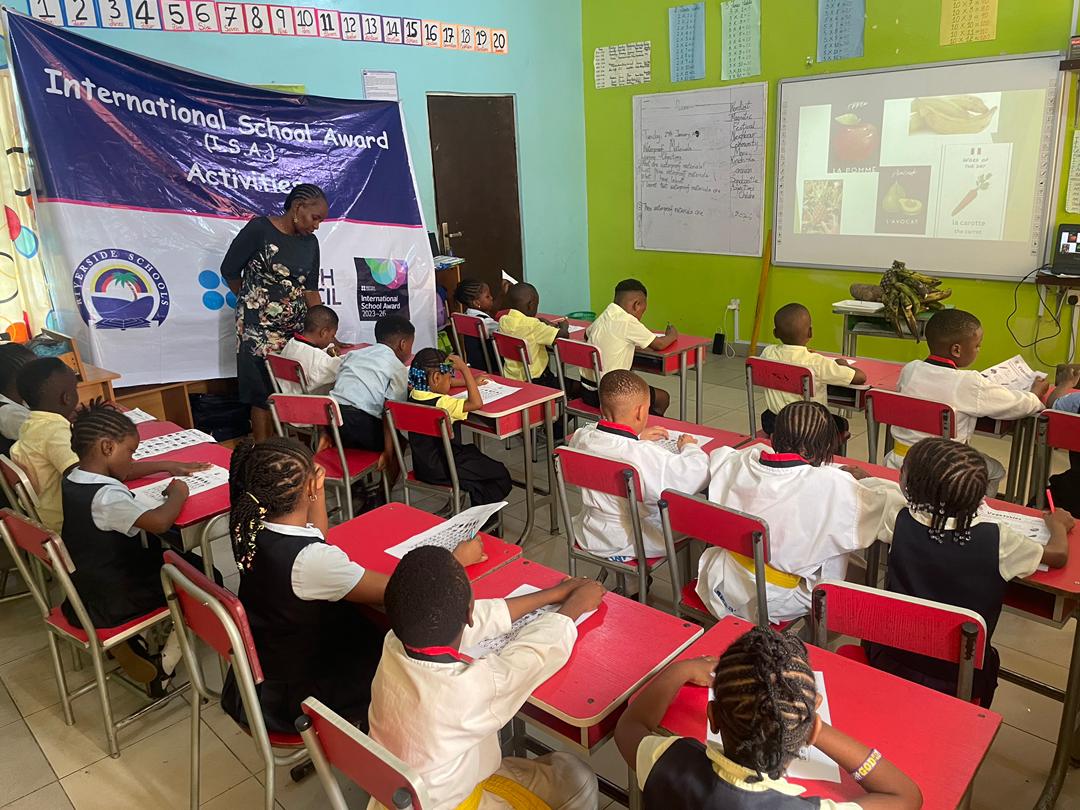
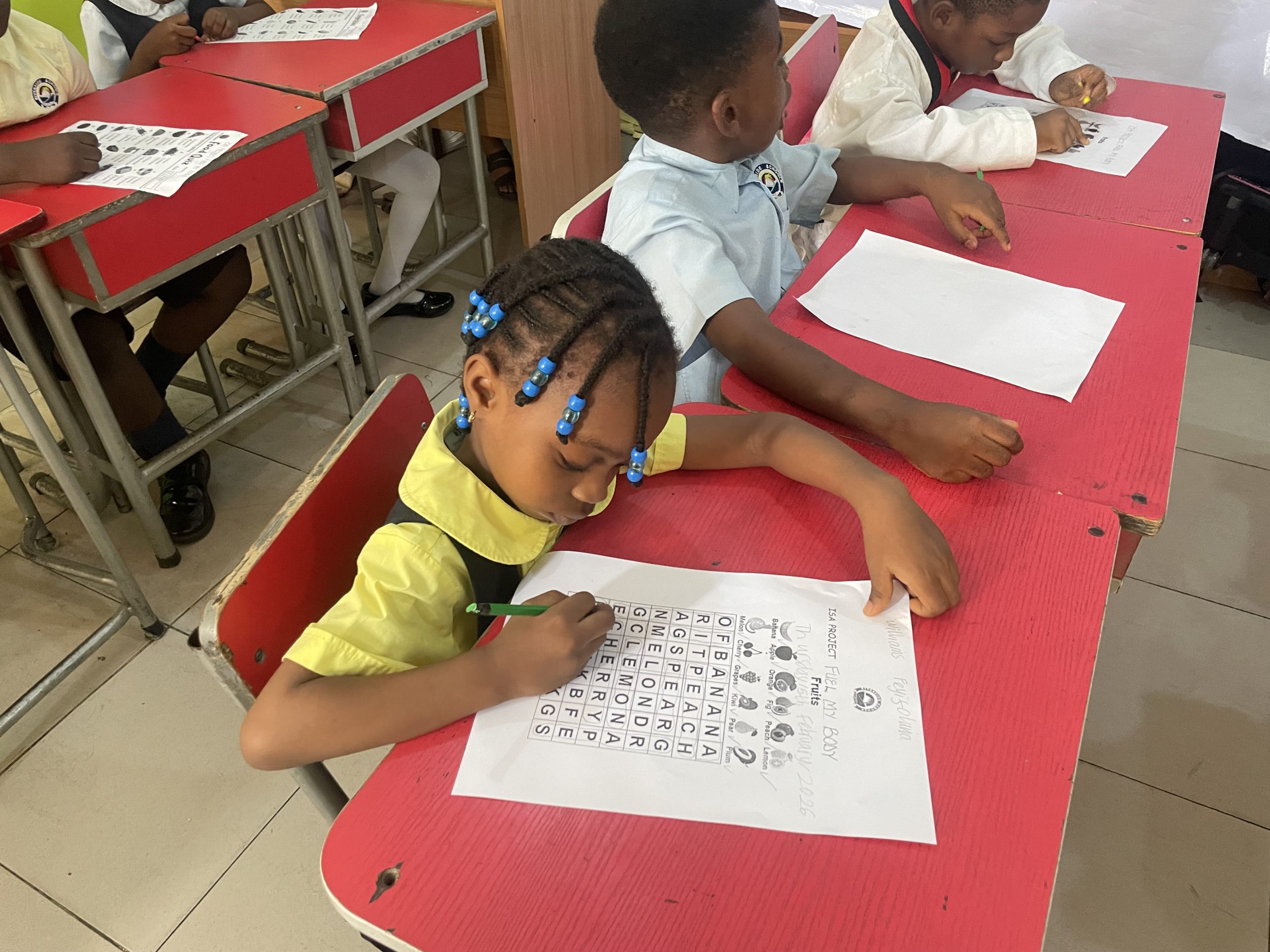
The Fuel My Body team worked together to complete worksheets on Nigerian and Asian foods. Through discussion and problem-solving, pupils reinforced their understanding of food groups, balanced nutrition, and the cultural diversity of traditional cuisines.

Activity 6: International Collaboration with India
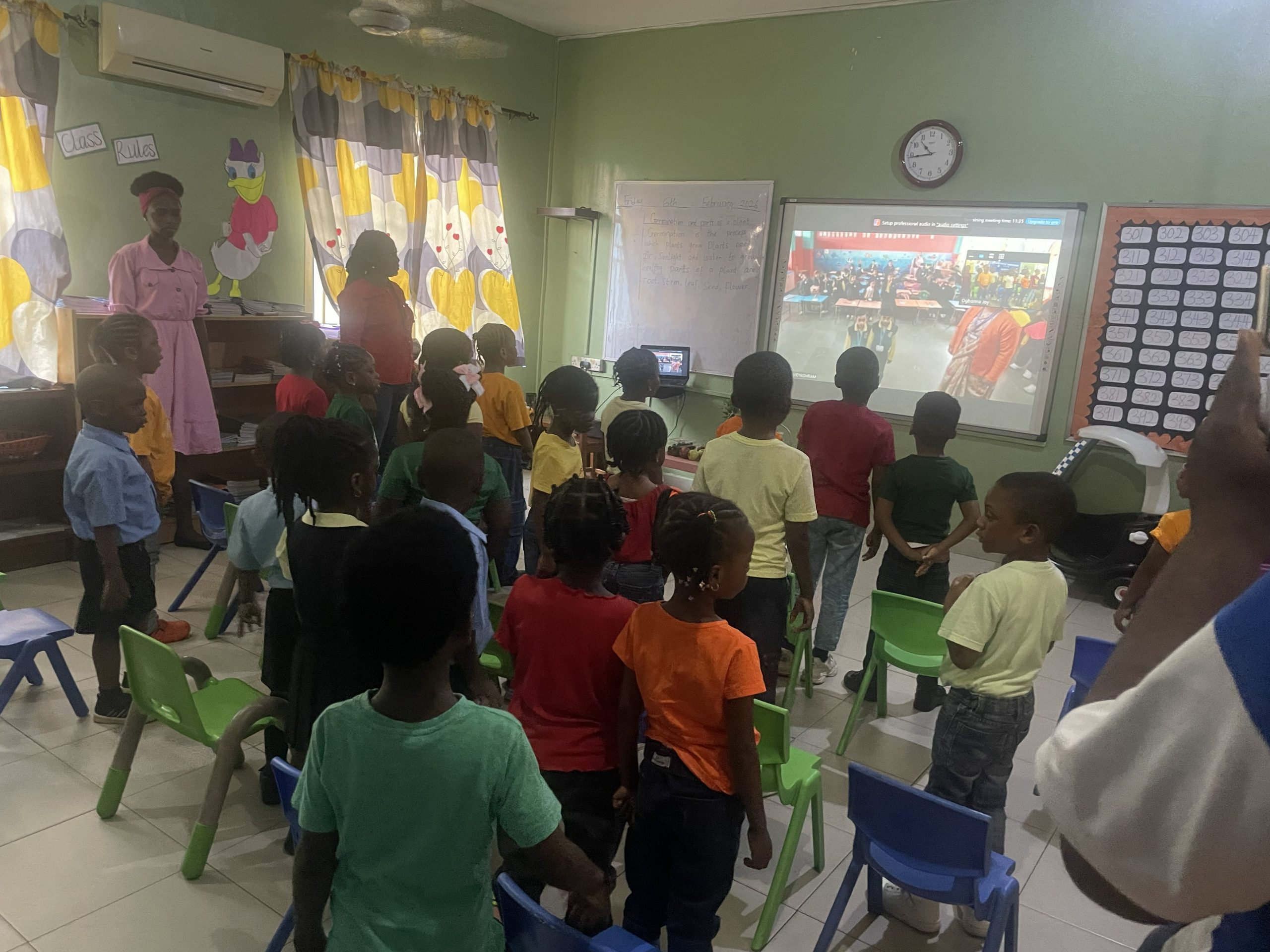
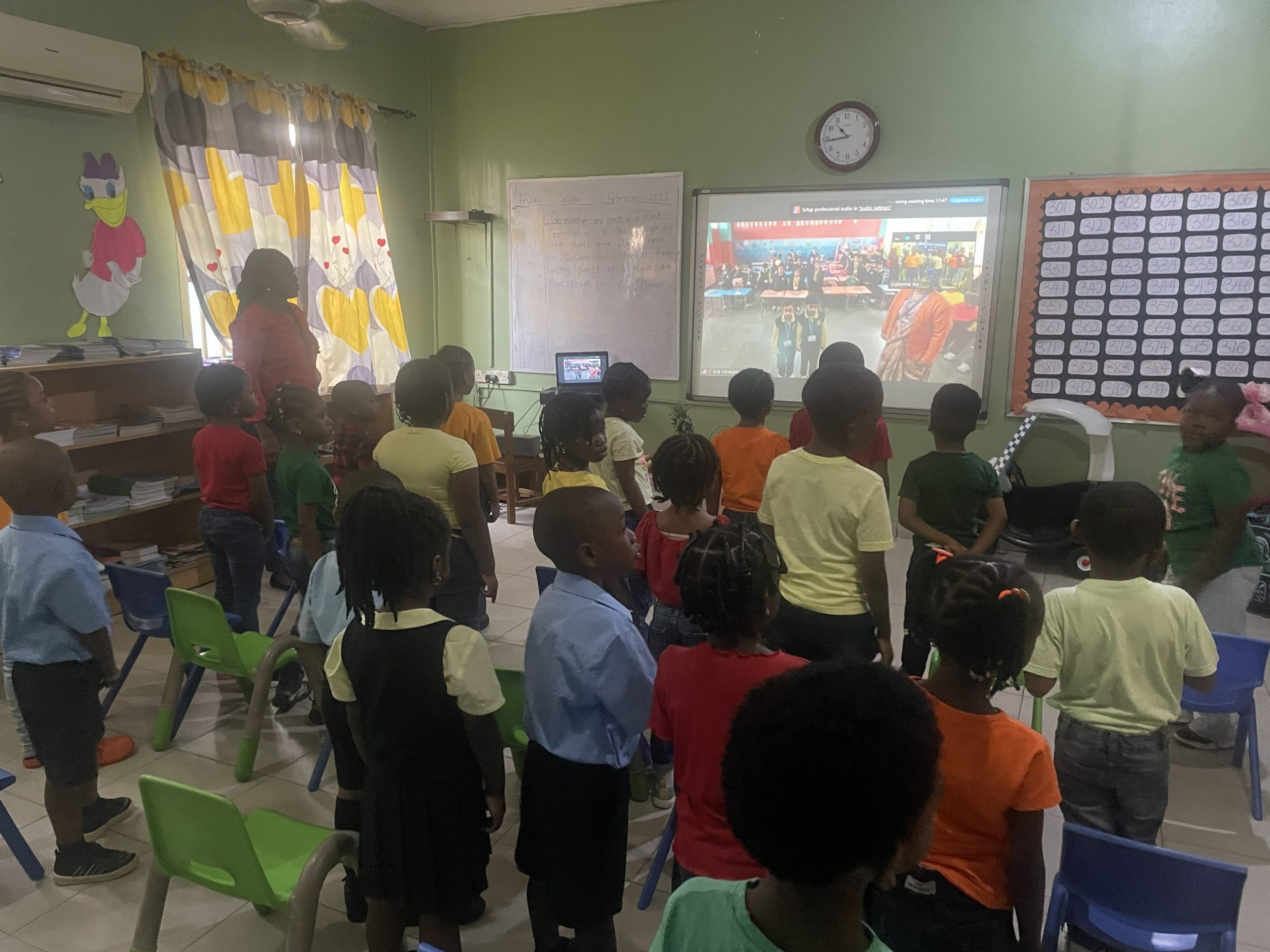
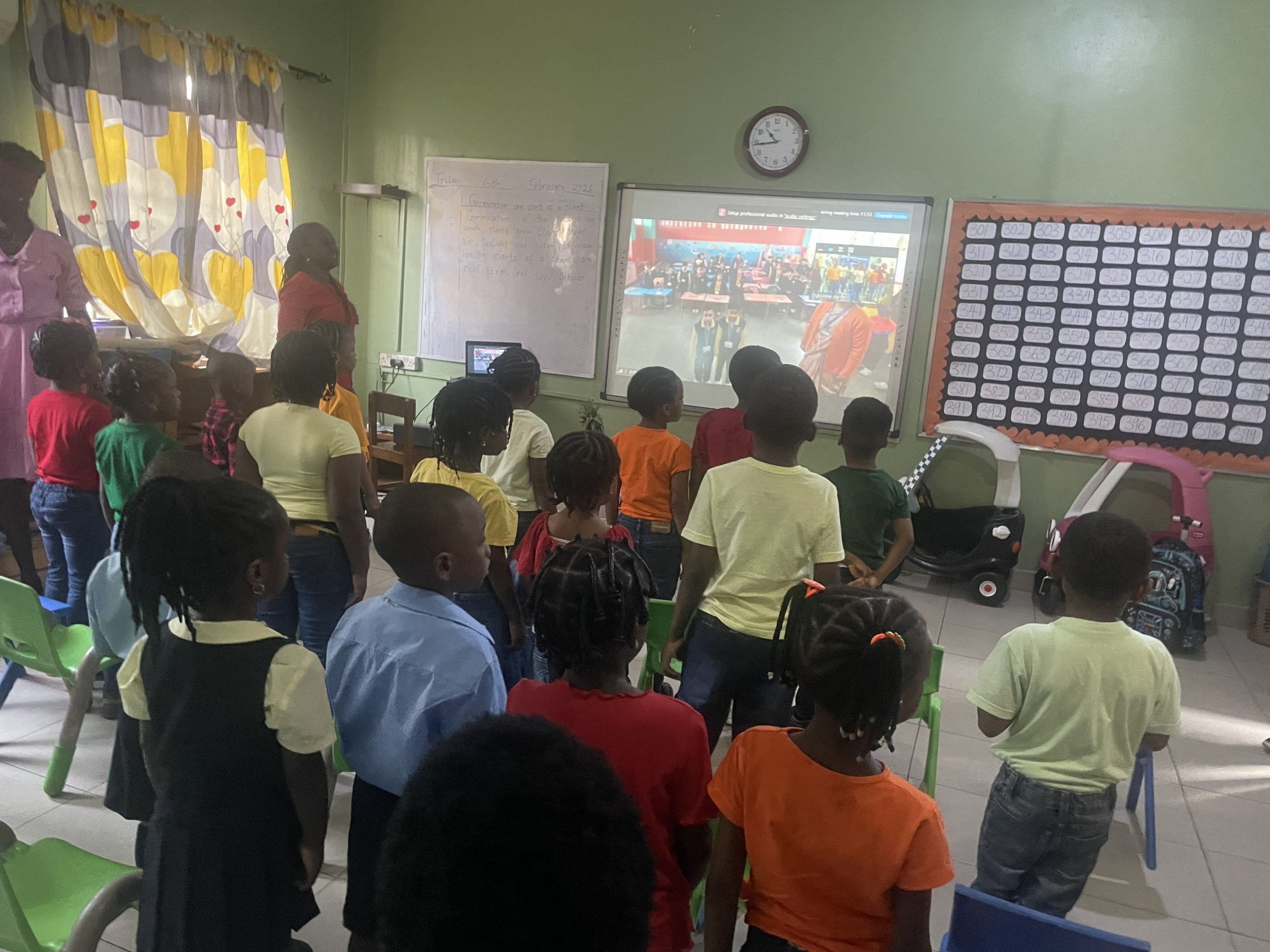
As part of the Fuel My Body project, pupils engaged in a virtual collaboration with a partner school in Asia, where they exchanged ideas on balanced nutrition, healthy eating habits, and traditional foods. Through presentations and discussions, learners developed communication skills, broadened their global perspectives, and strengthened their appreciation for cultural diversity and international cooperation.


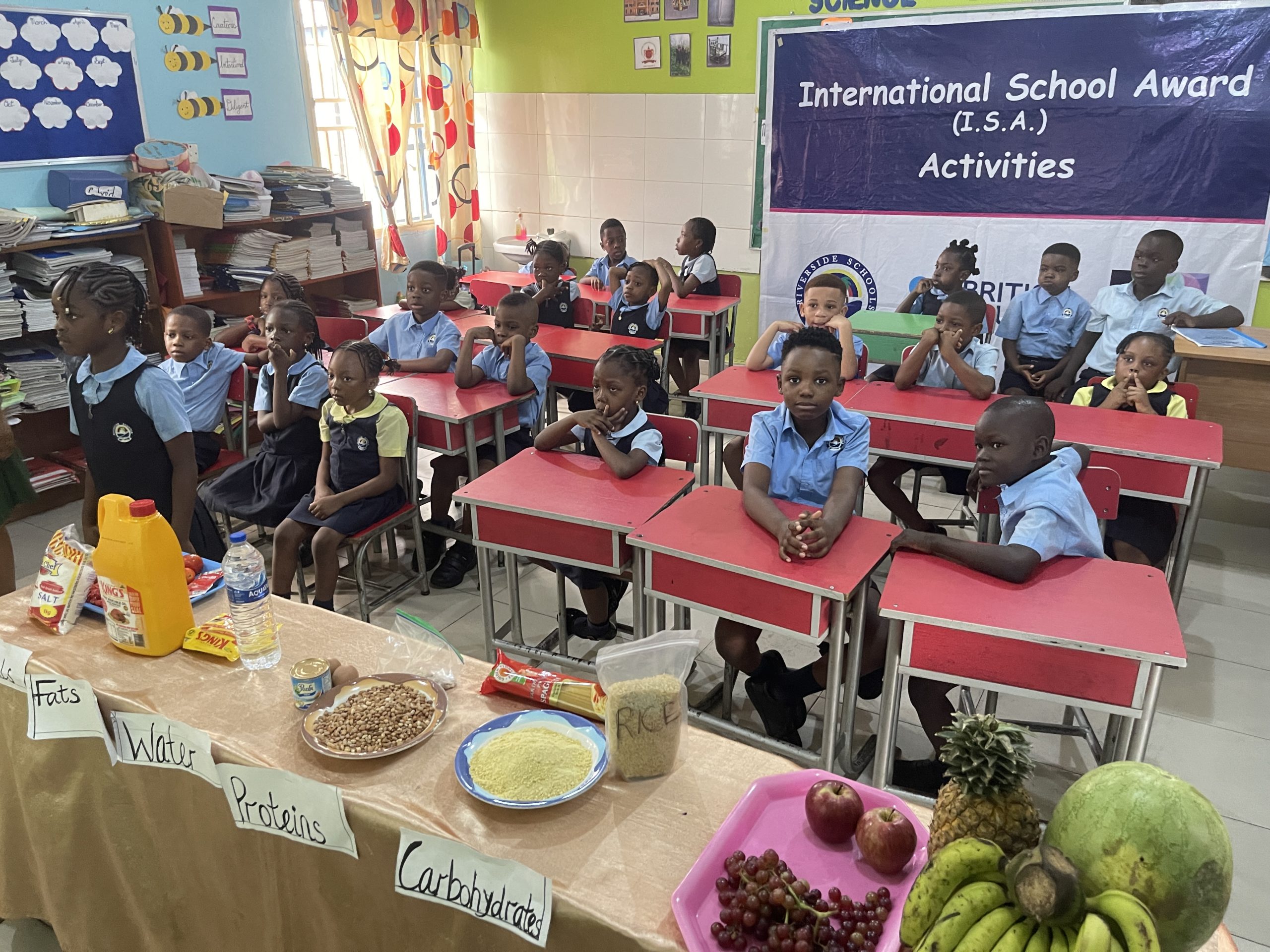
Activity 7: Assembly Presentation on Healthy and Junk Foods
As the culmination of the Fuel My Body: A Quest for a Balanced Meal project, pupils conducted an assembly presentation to educate the school community on the differences between healthy and junk foods. They shared knowledge about balanced nutrition, healthy eating habits, and the impact of food choices on overall well-being. This activity enhanced pupils' public speaking and leadership skills while encouraging the wider school community to adopt healthier lifestyles.
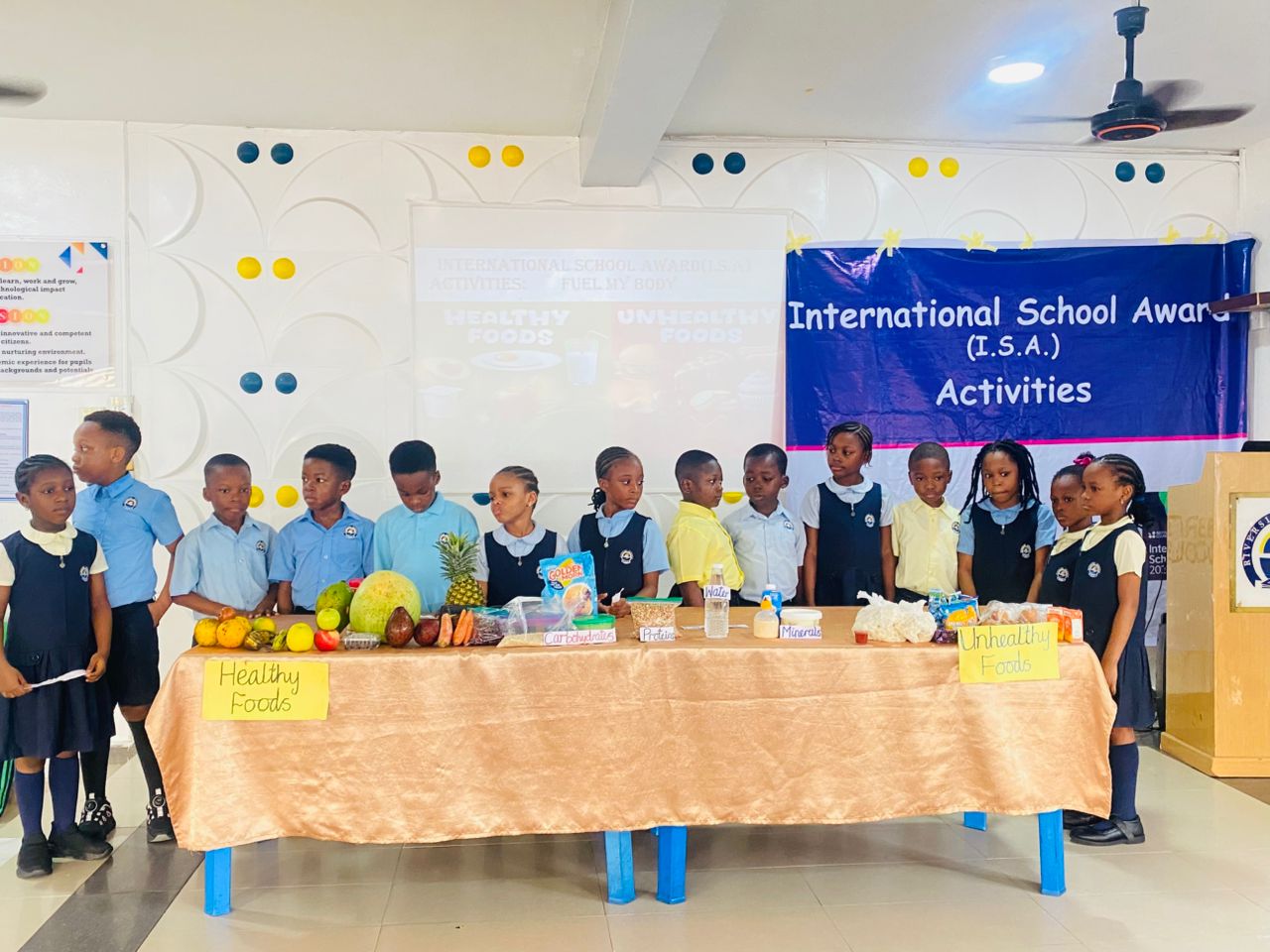

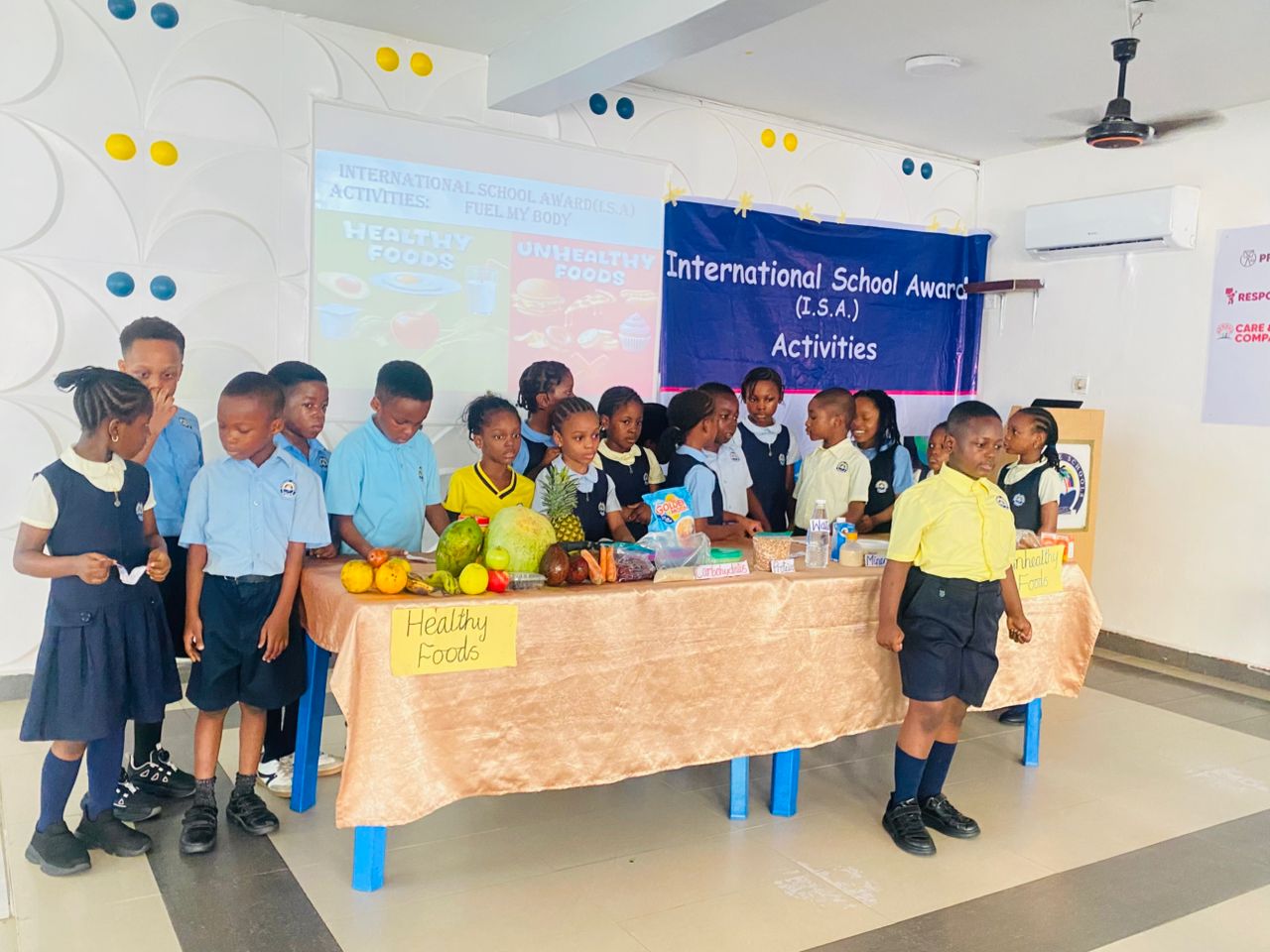


Activity 8: Introducing the Ingredients Used in Preparing Asian Food
Pupils presented the ingredients used in preparing traditional Asian dishes, explaining their functions, nutritional benefits, and cultural significance. Through discussion and demonstration, learners developed confidence in public speaking while gaining a deeper appreciation of Asian food culture and recognising the similarities and differences between Asian and Nigerian cuisines.

Festival Frenzy
Festival Frenzy provided pupils with the opportunity to explore and celebrate festivals from different cultures around the world. Through creative and interactive activities, learners developed an appreciation for cultural diversity, respect for traditions, and the importance of unity in a global community.
Activity 1: Researching Festivals in Kenya, Tanzania, Ethiopia, and Zimbabwe
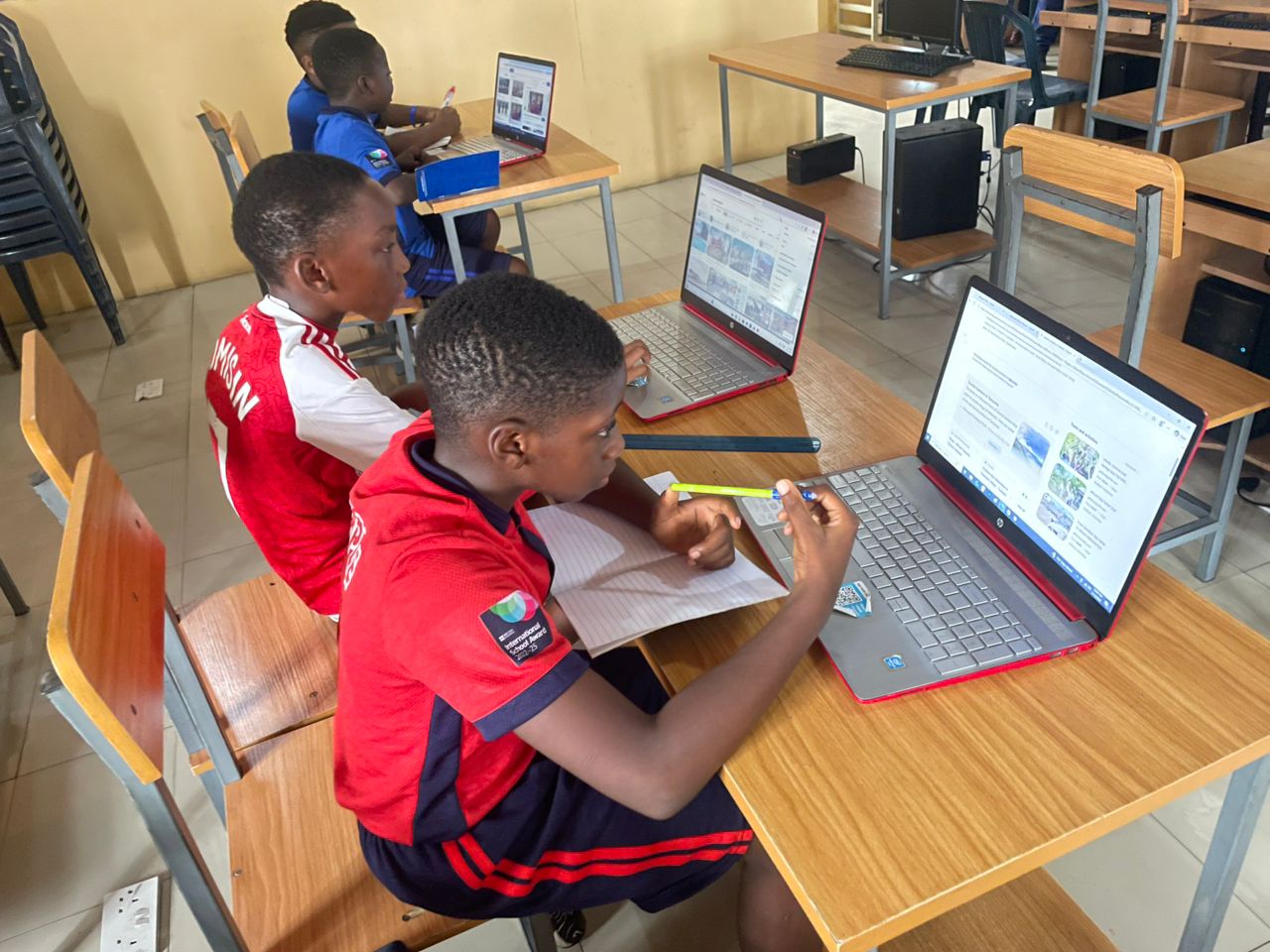
Pupils explored and researched festivals celebrated in Kenya, Tanzania, Ethiopia, and Zimbabwe, examining their historical backgrounds, cultural practices, and importance to local communities. Through collaborative research and presentations, learners developed global awareness, strengthened their research and communication skills, and gained a deeper appreciation of the cultural diversity that exists across Africa.


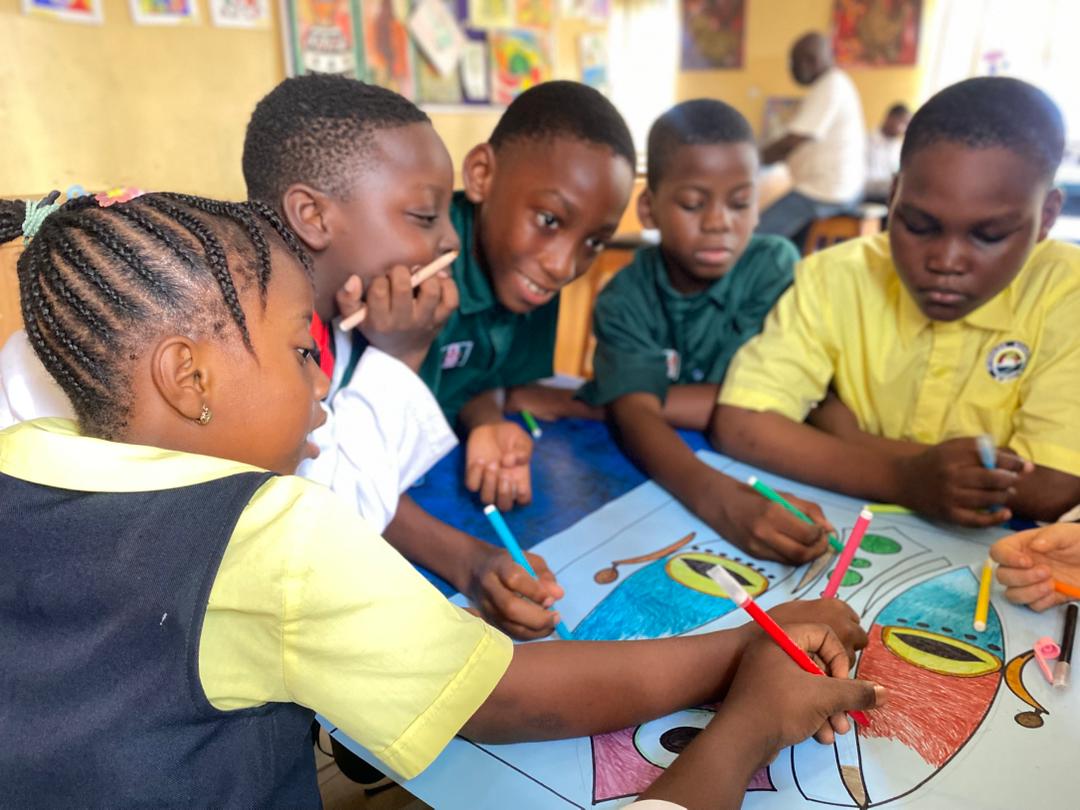
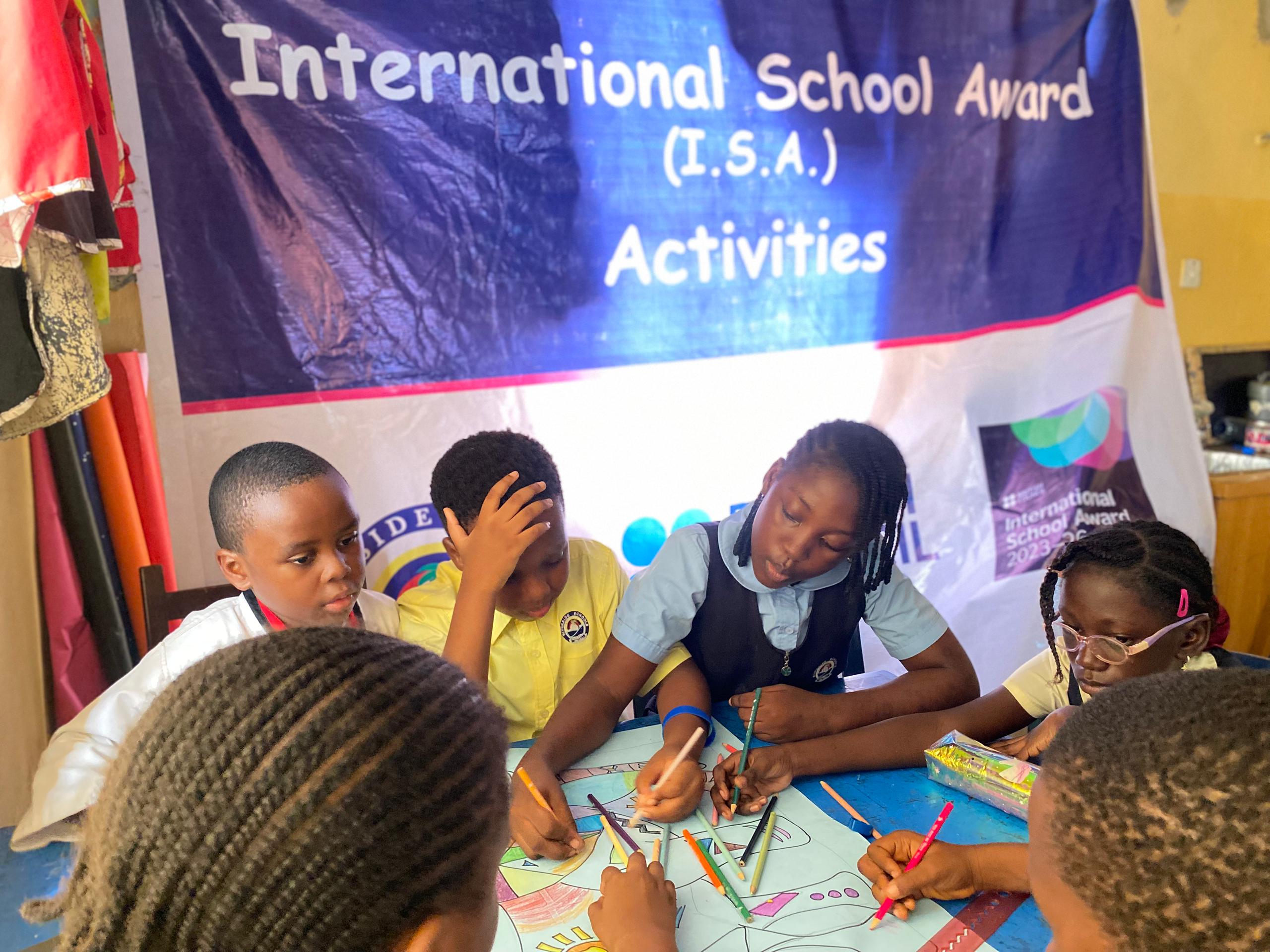
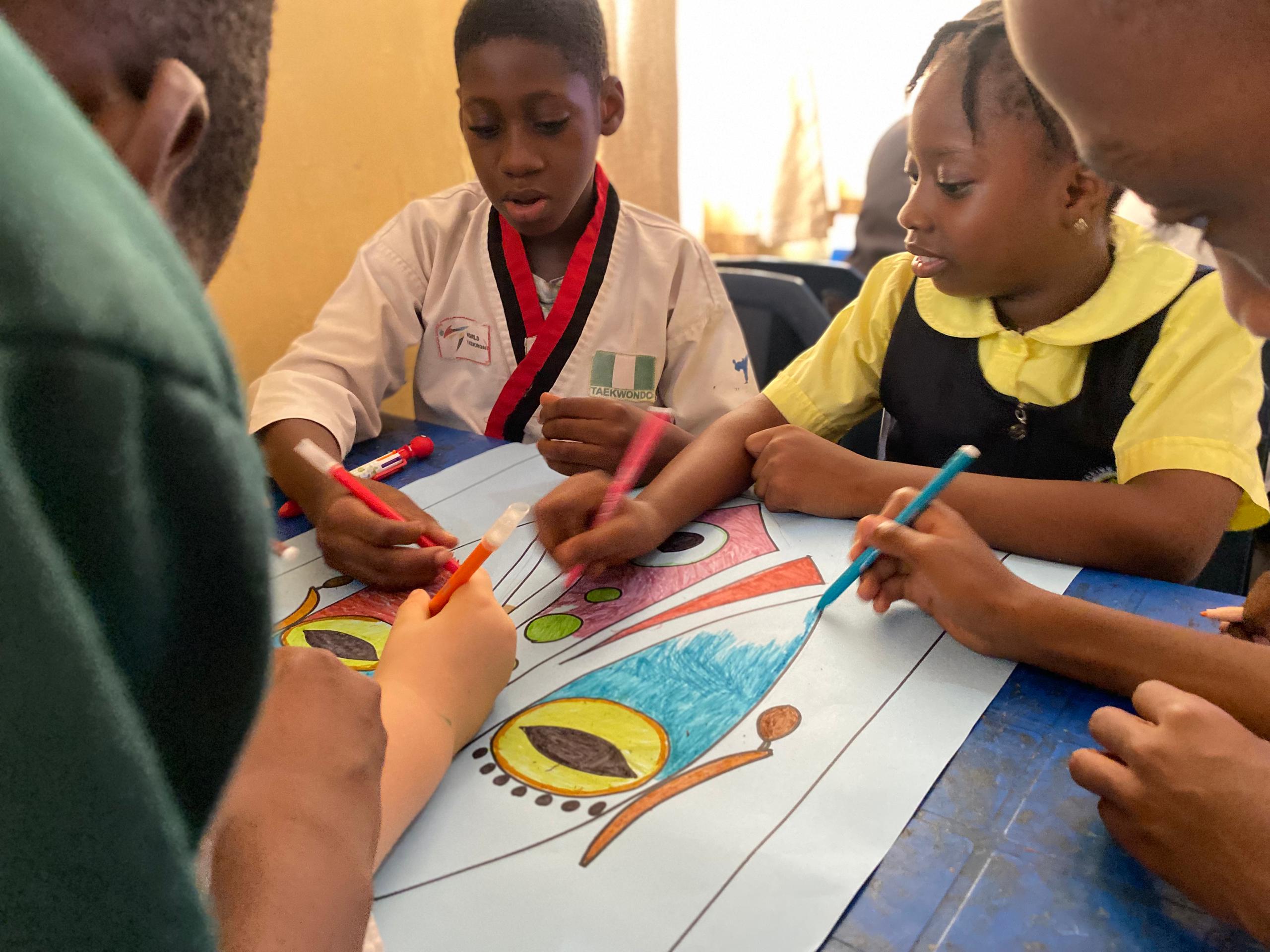
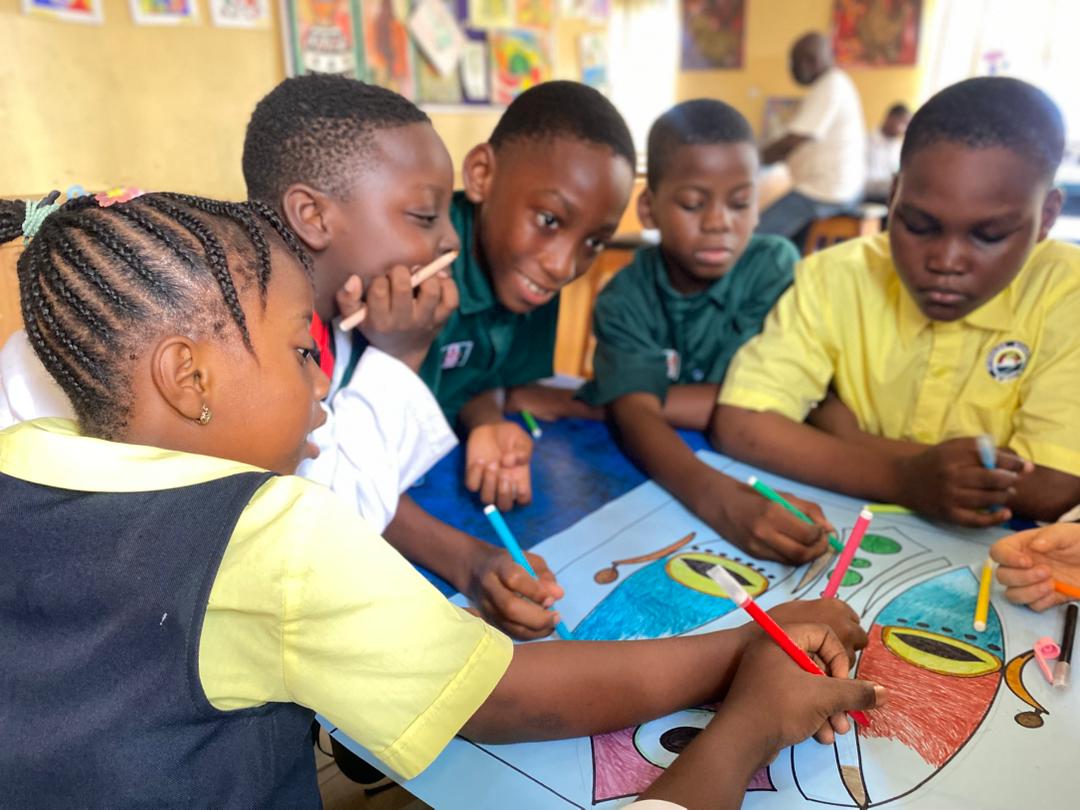
Activity 2: Creating Traditional Crafts
Pupils researched and recreated traditional crafts from Kenya, Tanzania, Ethiopia, and Zimbabwe, producing artwork, beadwork, and textile designs that reflected the unique cultural identities of each country. Through this hands-on activity, learners developed creativity, collaboration, and a greater appreciation for African cultural heritage while recognising the importance of preserving traditional arts and crafts.
Activity 3: Learning Festival Songs from Ghana, Tanzania, and Ethiopia
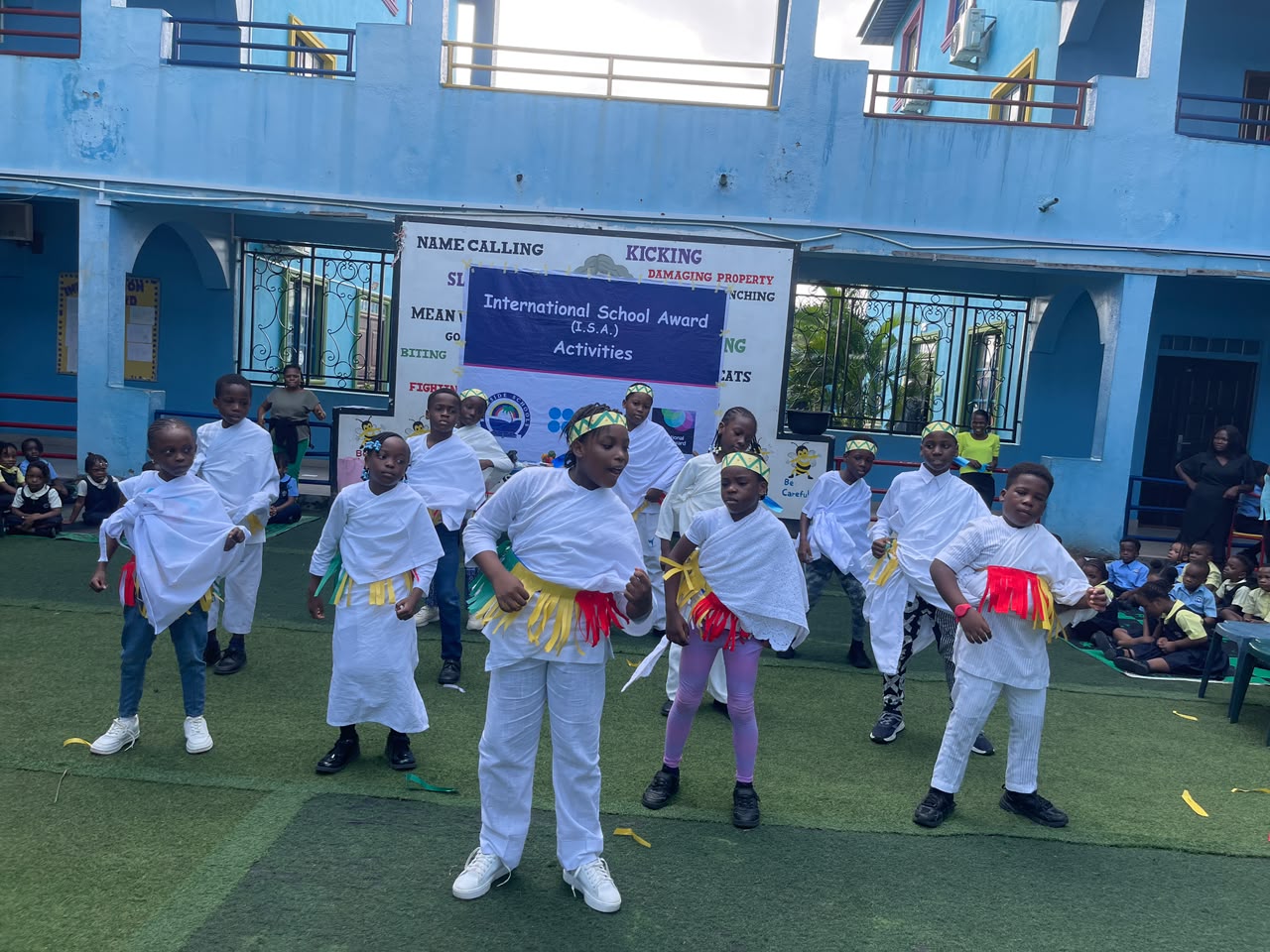
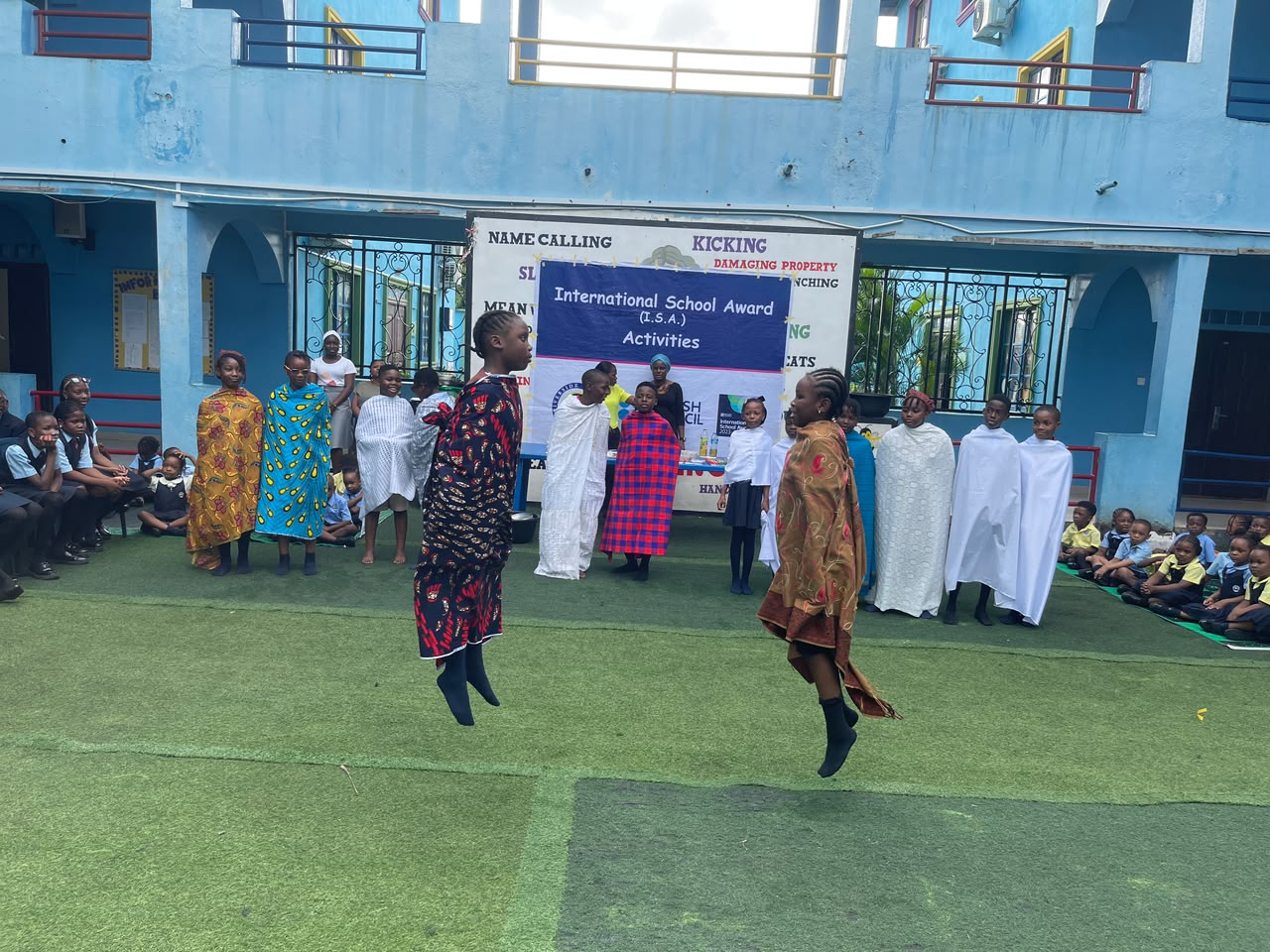
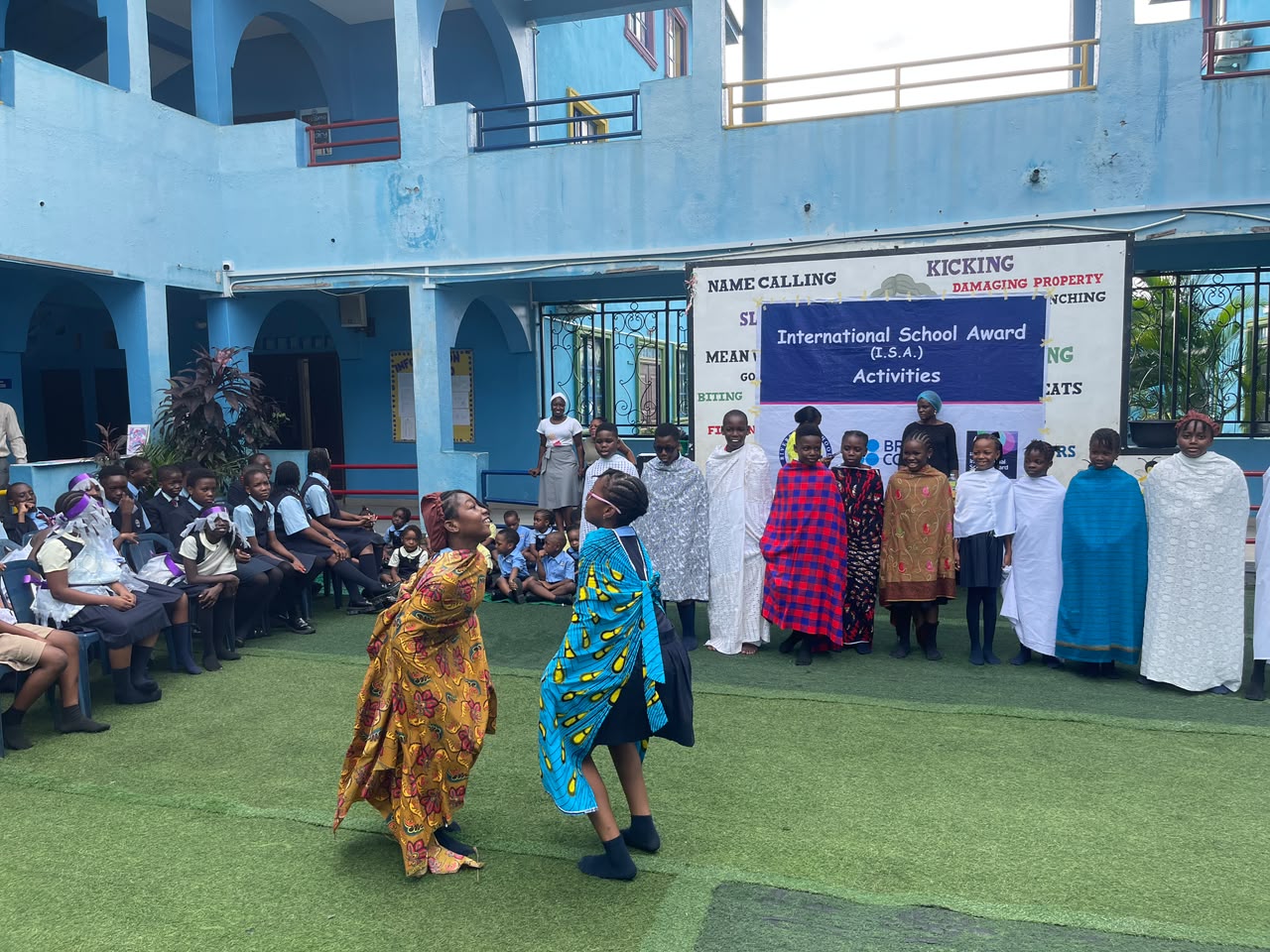
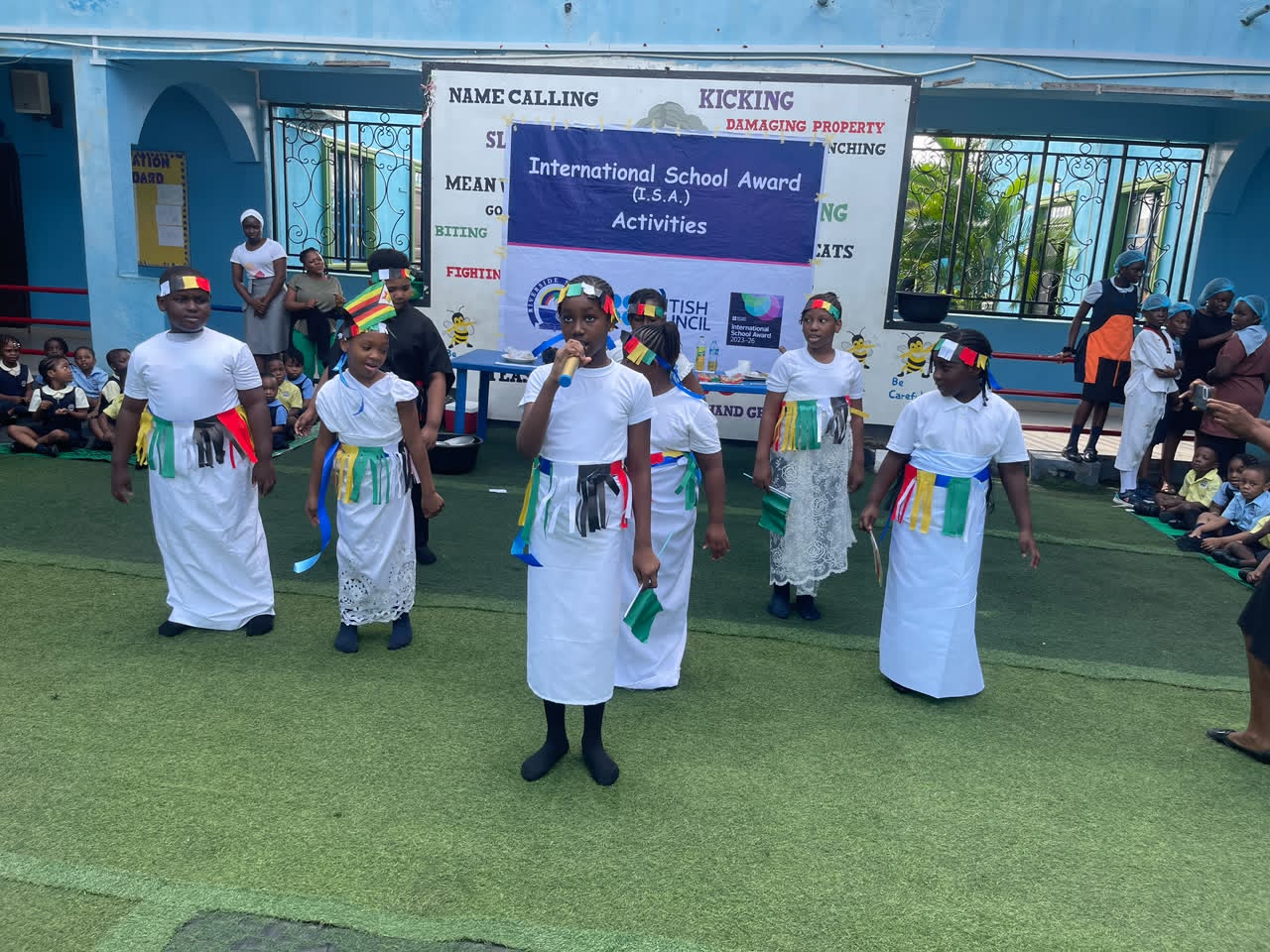
Pupils explored the cultural traditions of Ghana, Tanzania, and Ethiopia by learning and performing songs associated with their festivals. Through music and performance, learners developed an appreciation for cultural diversity, strengthened their communication and collaboration skills, and recognised the role of music in preserving traditions and fostering unity across different communities.
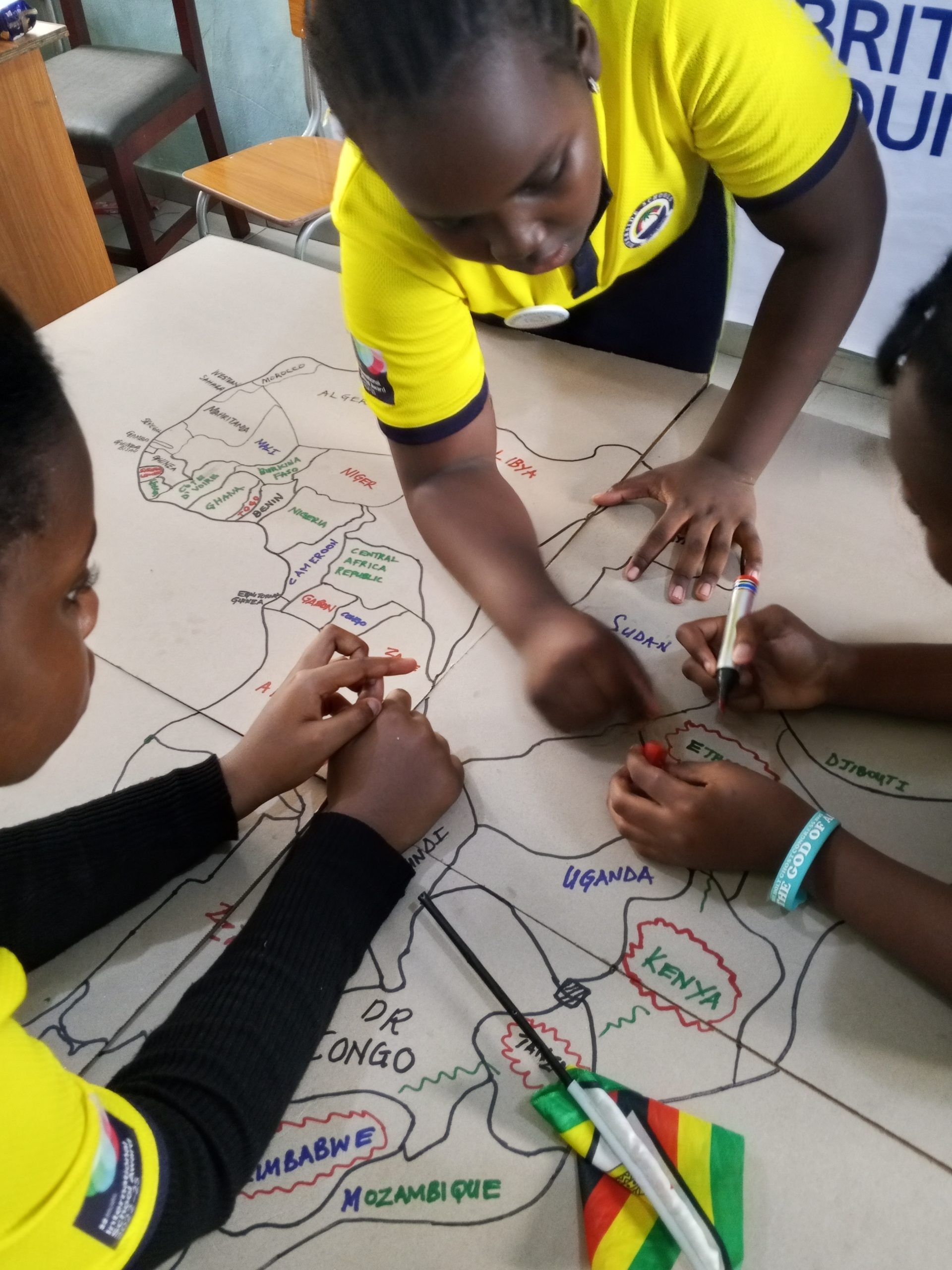
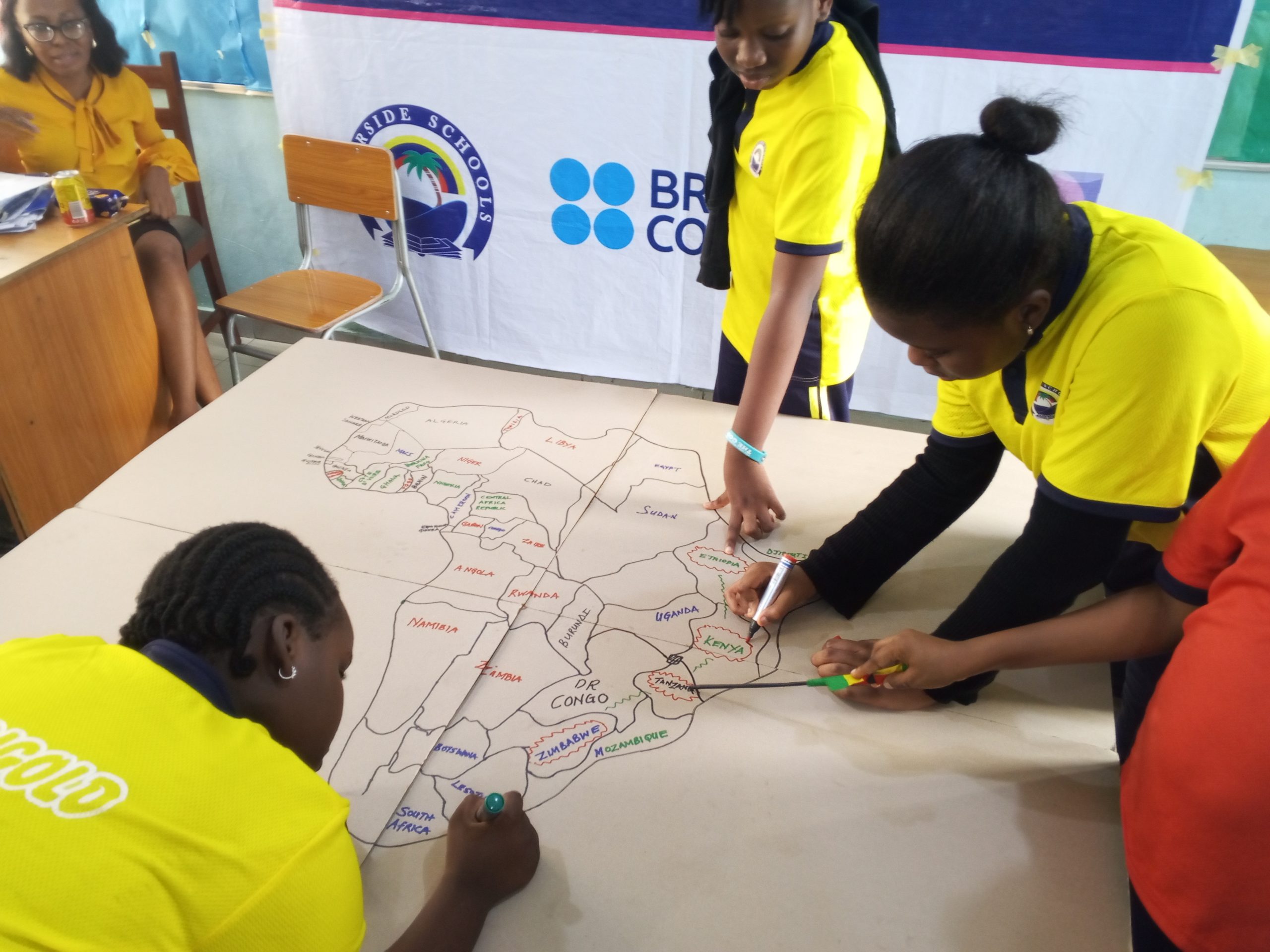
Activity 4: Identifying African Countries on the Map
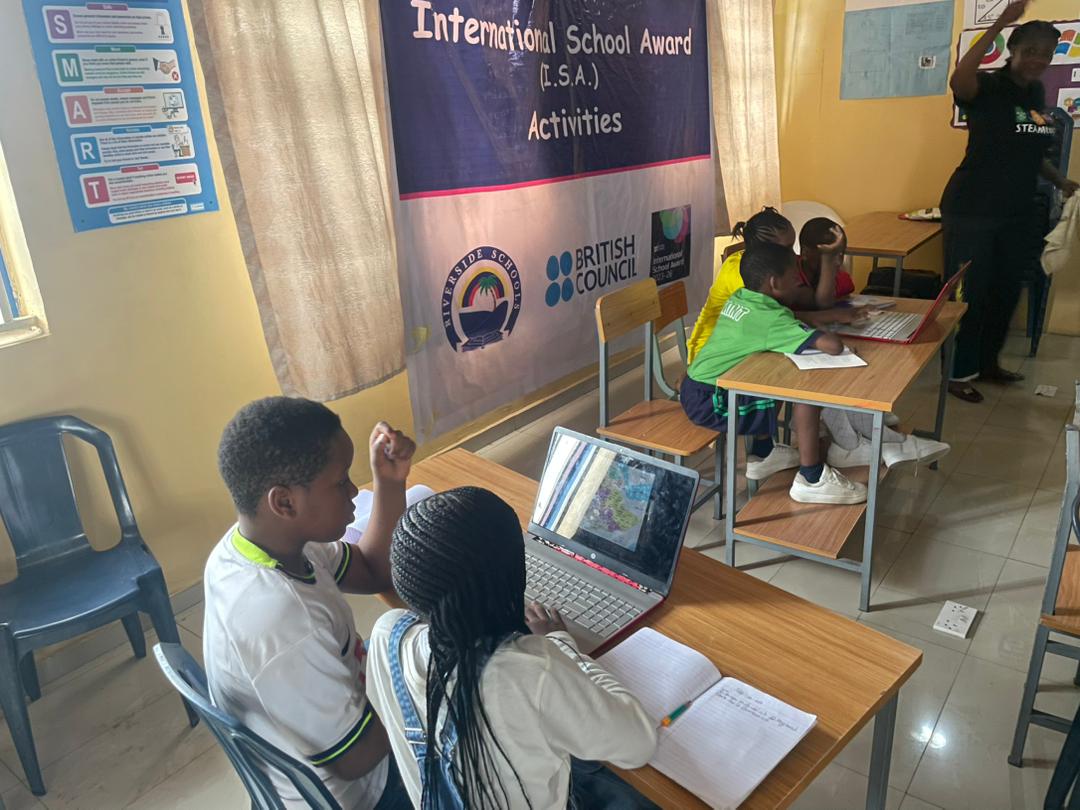
Pupils used maps to identify and locate Ghana, Tanzania, Ethiopia, and other African countries, exploring their geographical positions within the continent. Through this activity, learners strengthened their map-reading and geographical skills while developing a greater appreciation for Africa's cultural diversity and the connections between different nations.Pupils used maps to identify and locate Ghana, Tanzania, Ethiopia, and other African countries, exploring their geographical positions within the continent. Through this activity, learners strengthened their map-reading and geographical skills while developing a greater appreciation for Africa's cultural diversity and the connections between different nations.


Activity 5: Learning Traditional Festival Dances
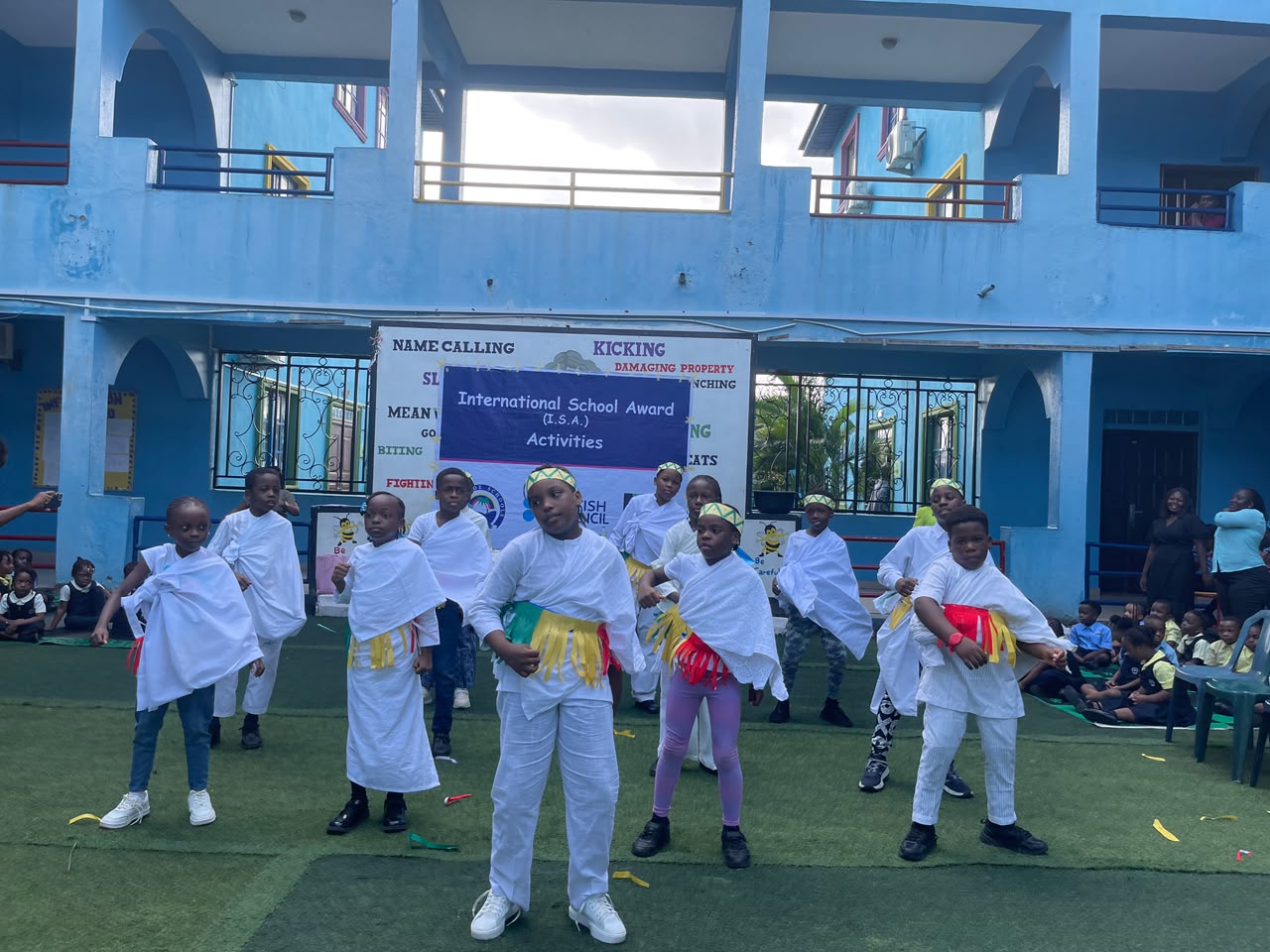
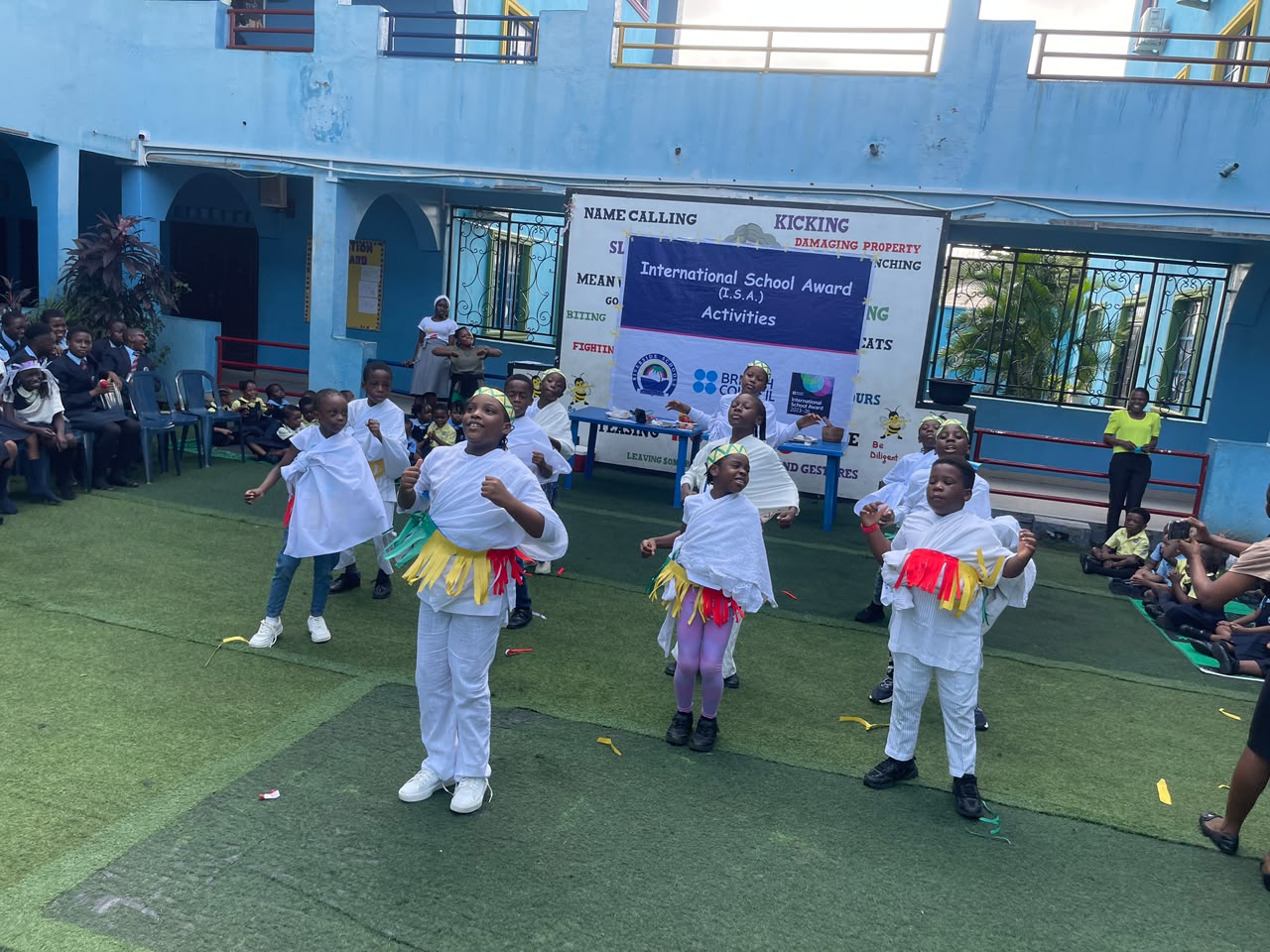
Pupils explored the cultural heritage of Ghana, Tanzania, and Ethiopia by learning traditional festival dances associated with each country. Through music, movement, and performance, learners celebrated Africa's cultural diversity while developing collaboration, self-expression, and an appreciation for traditions that unite communities during festivals.
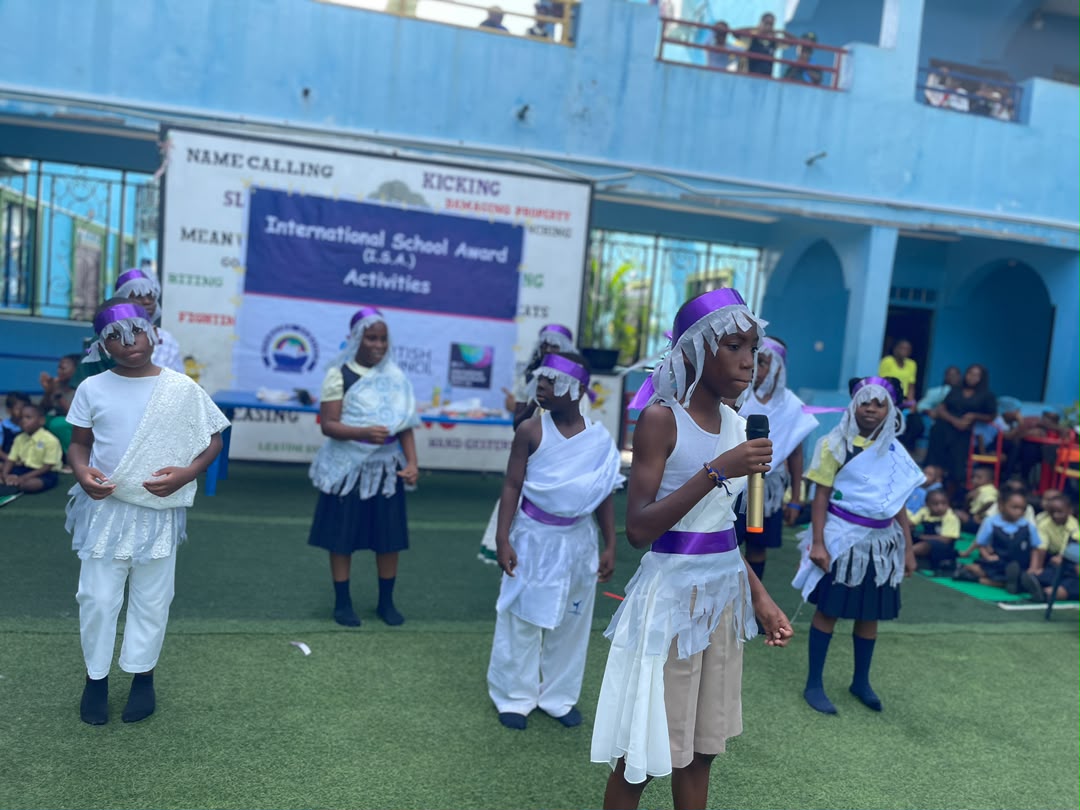
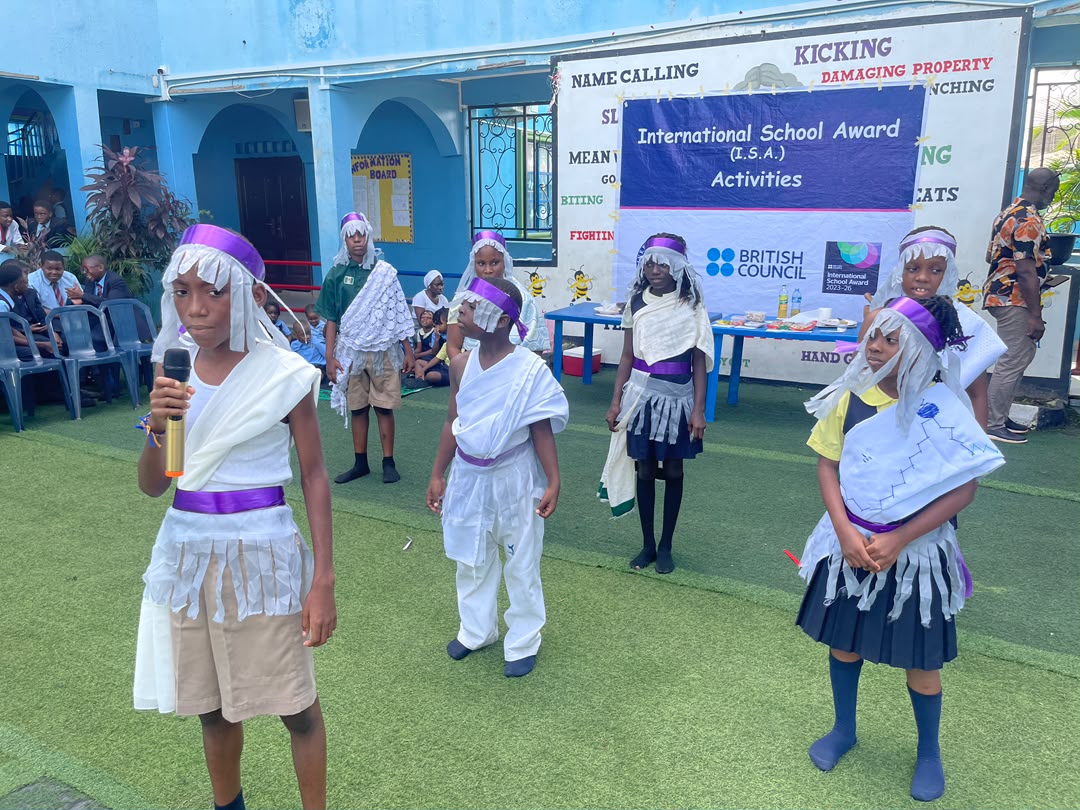


Activity 6: Festival Role Play and Traditional Dance
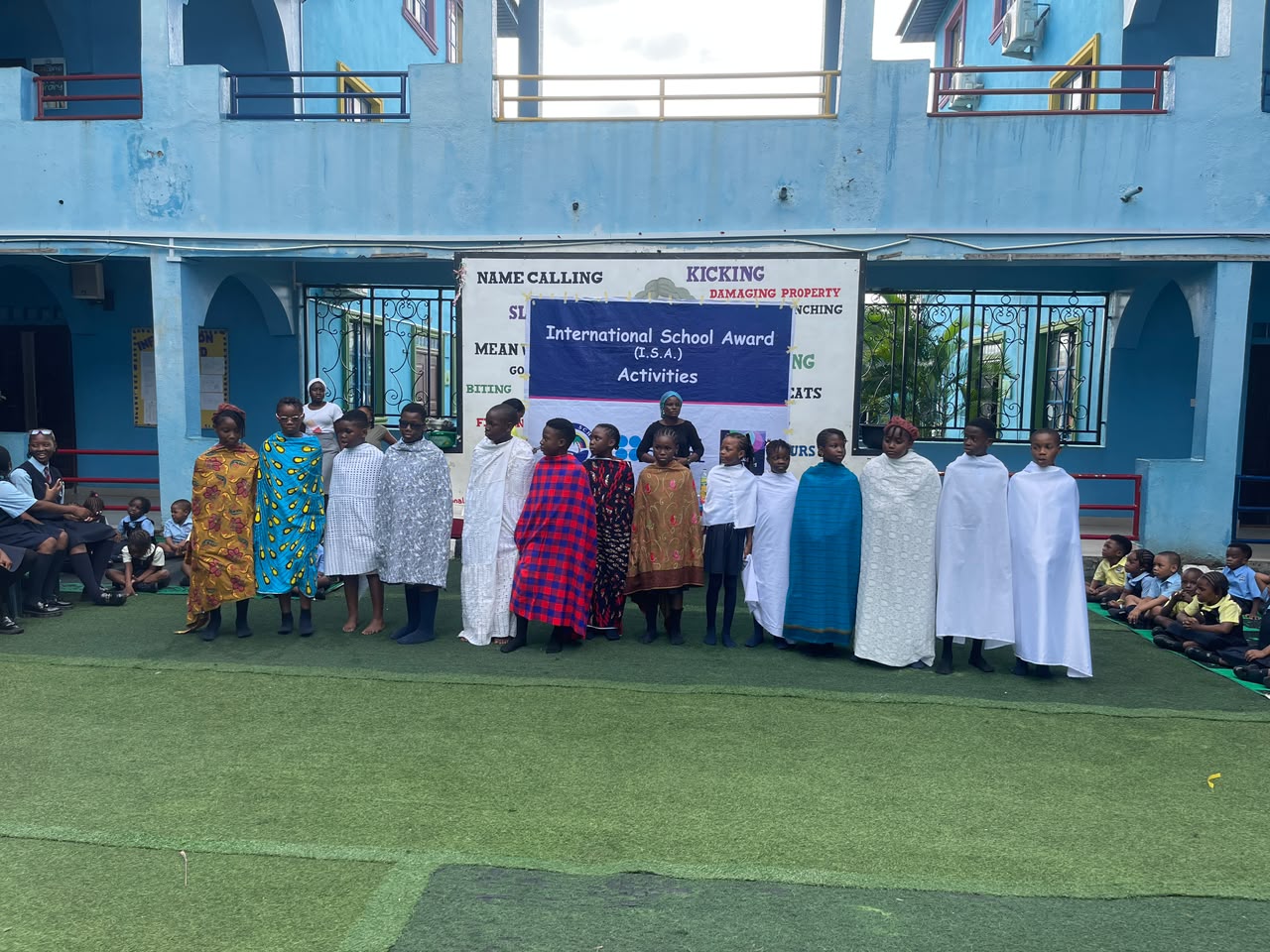
Pupils showcased their understanding of festivals in Ghana, Tanzania, and Ethiopia through role-play and traditional dance performances. By recreating aspects of these cultural celebrations, learners developed confidence, collaboration, and respect for cultural diversity while gaining a deeper appreciation of the traditions that unite communities across Africa.

Activity 7: Creating a Scrapbook on Festivals in Ghana, Tanzania, and Ethiopia
As part of the Festival Frenzy project, pupils collaboratively designed a scrapbook highlighting festivals from Ghana, Tanzania, and Ethiopia. By researching and presenting information on each festival's history, traditions, and cultural importance, learners strengthened their research, communication, and creative skills while developing a greater appreciation for the cultural diversity that exists across Africa.


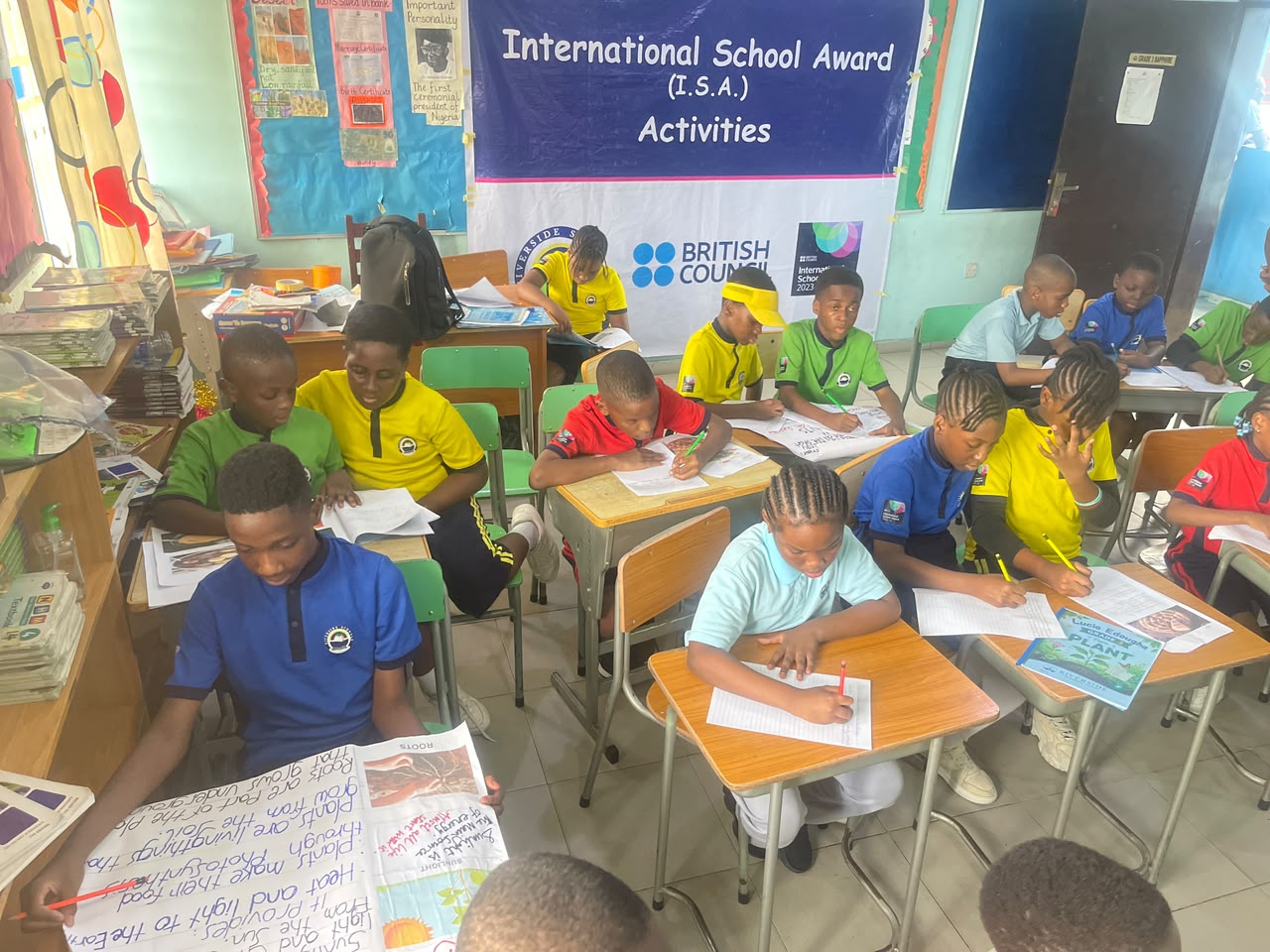
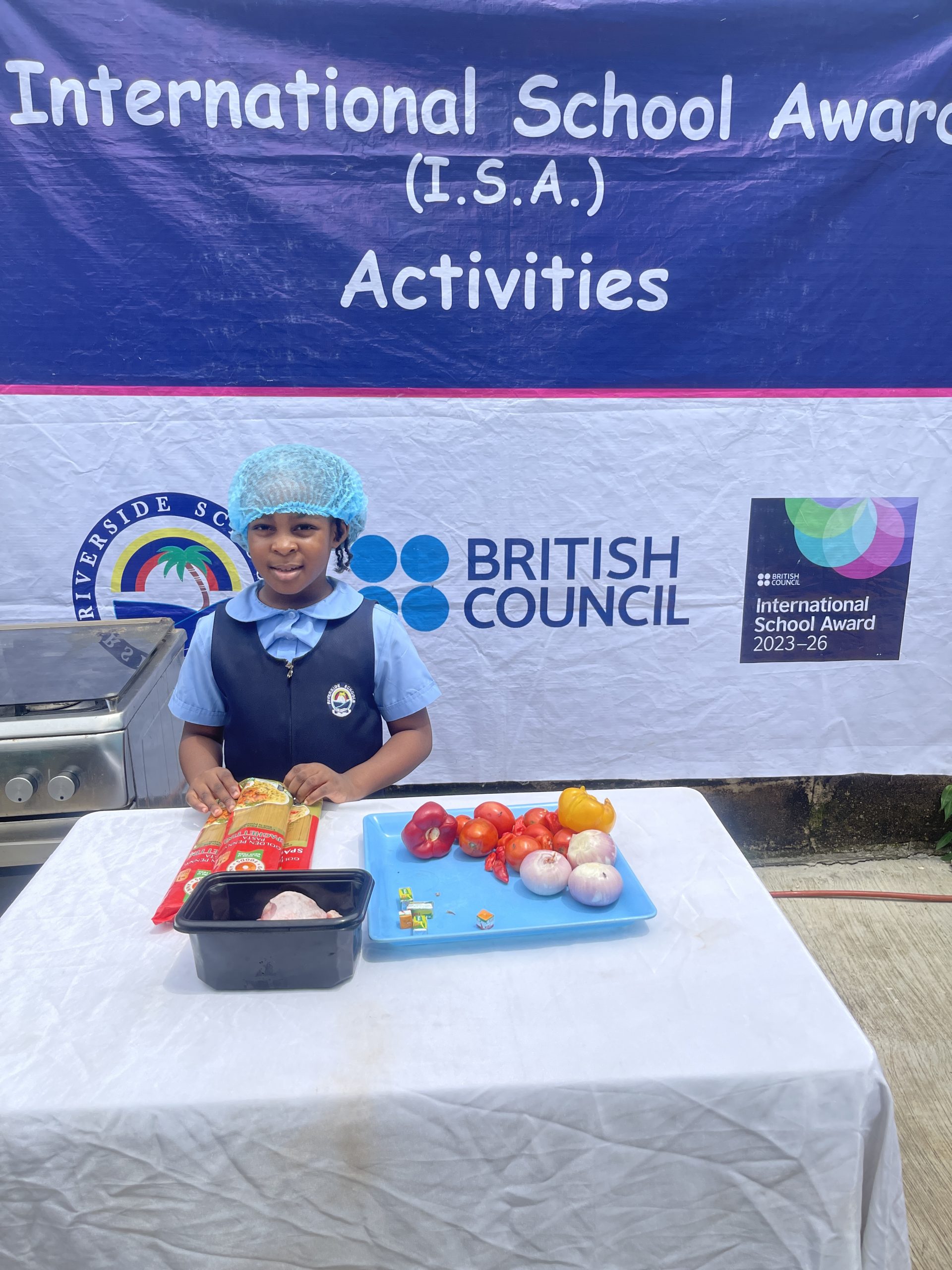
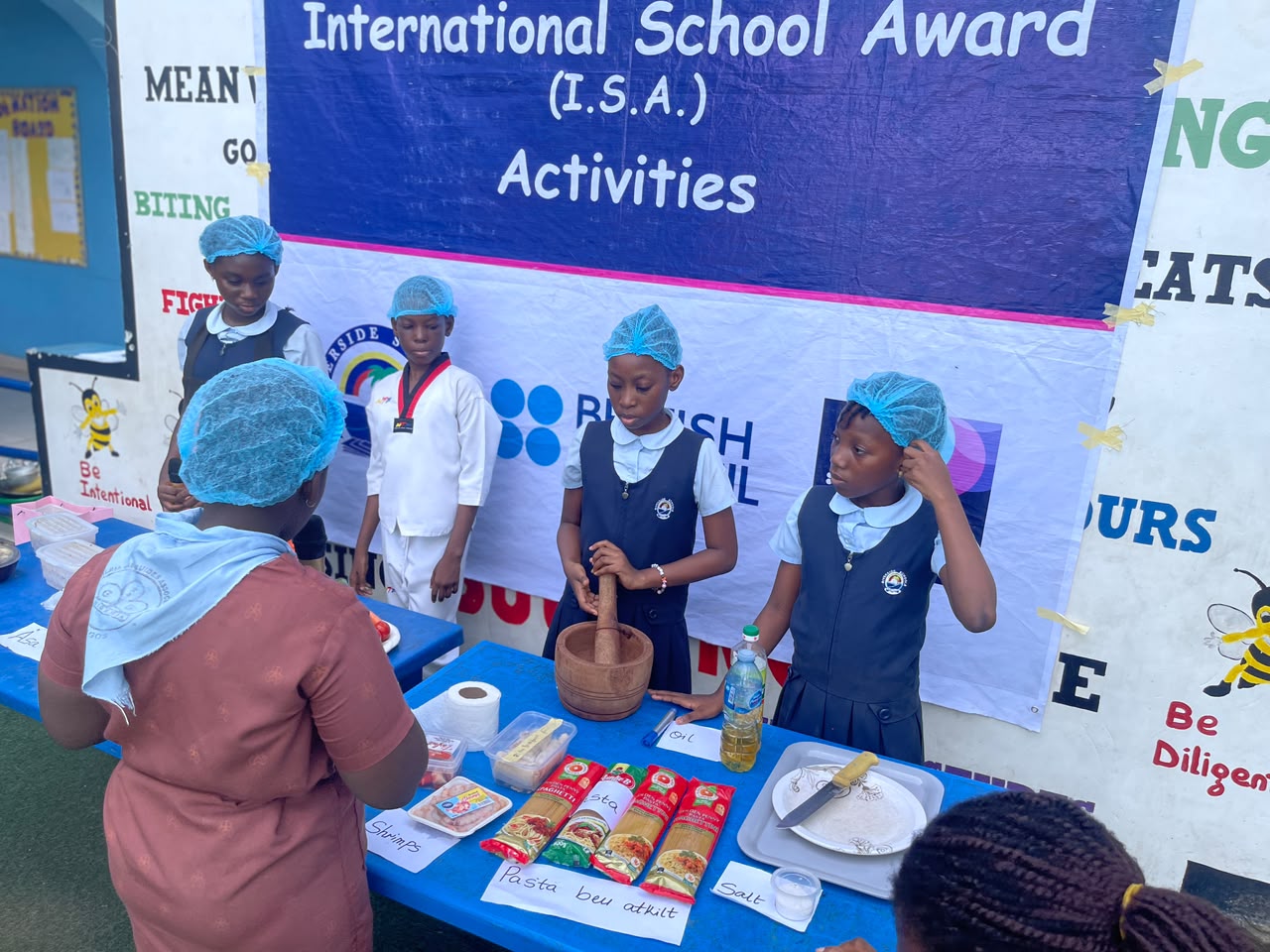
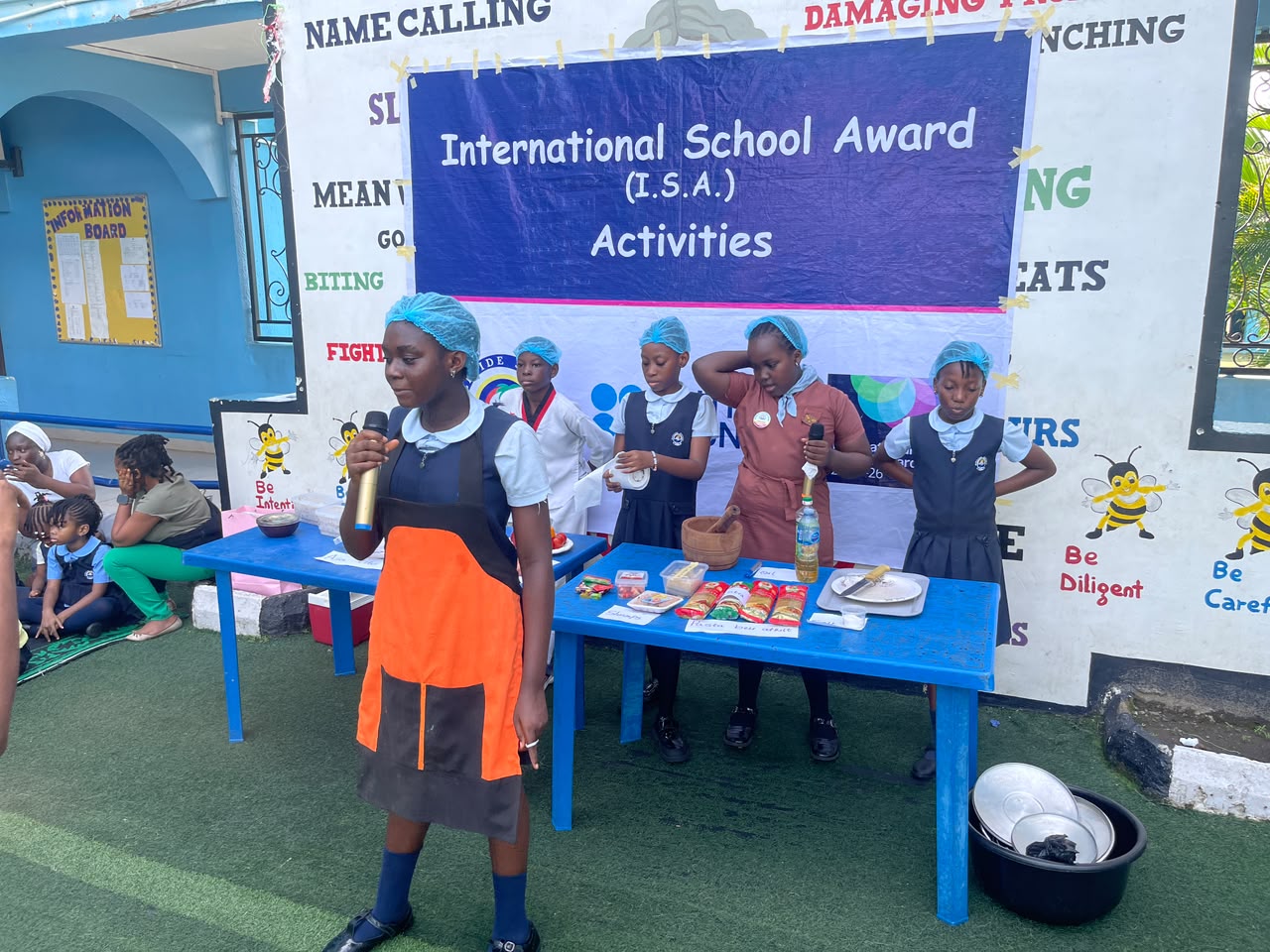
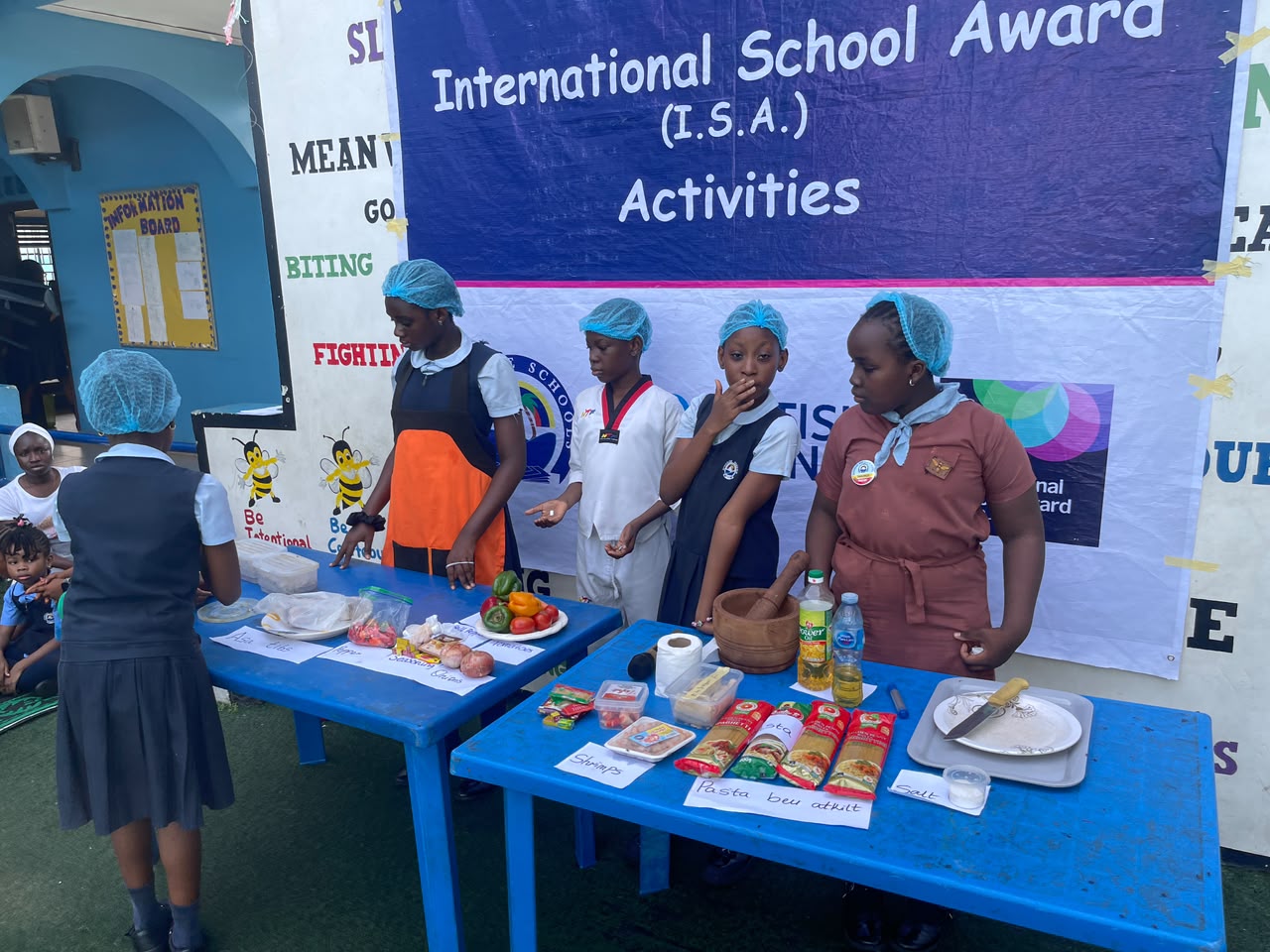
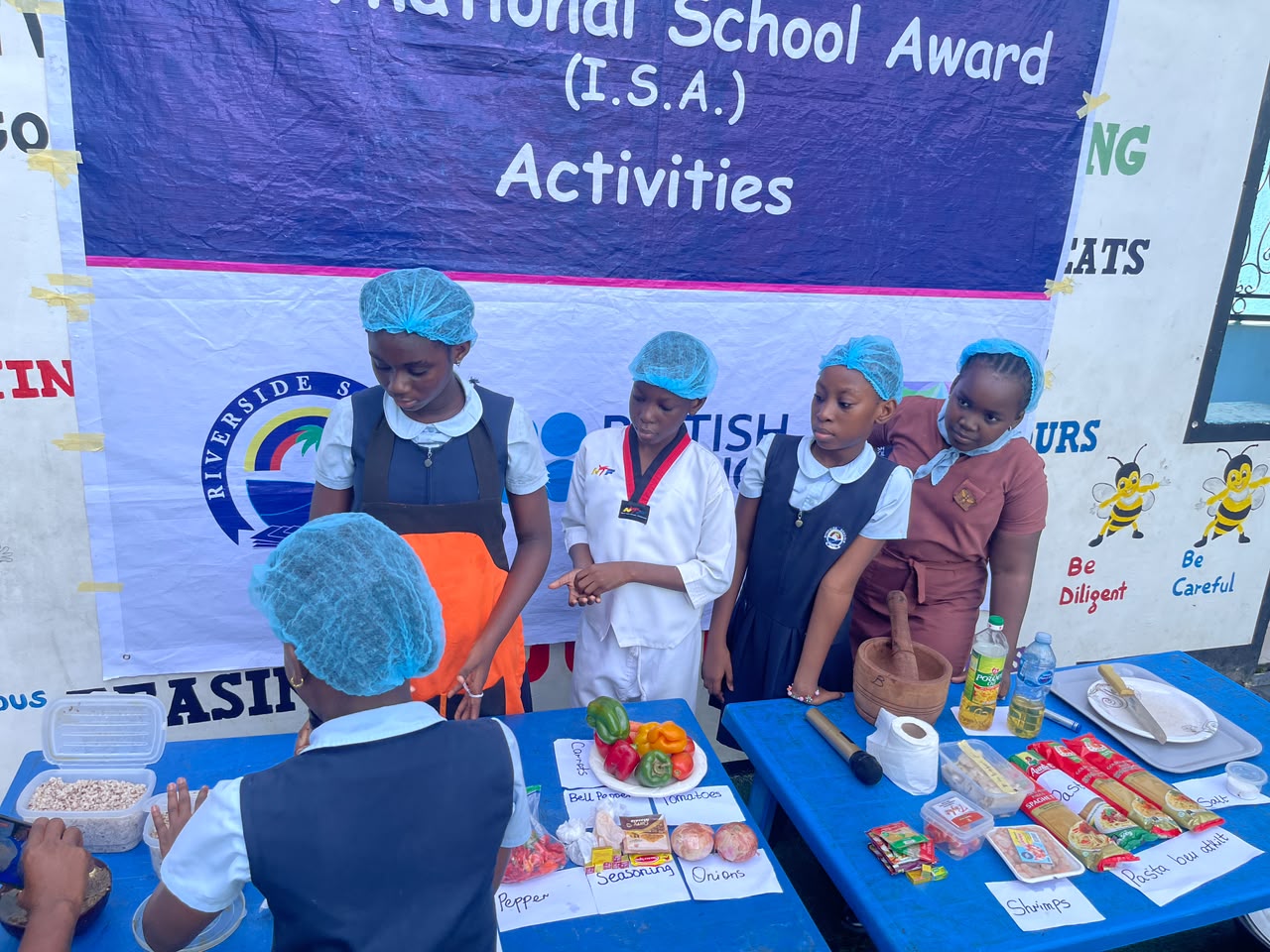
Activity 8: Cooking Class – Festival Foods from Ghana, Tanzania, and Ethiopia
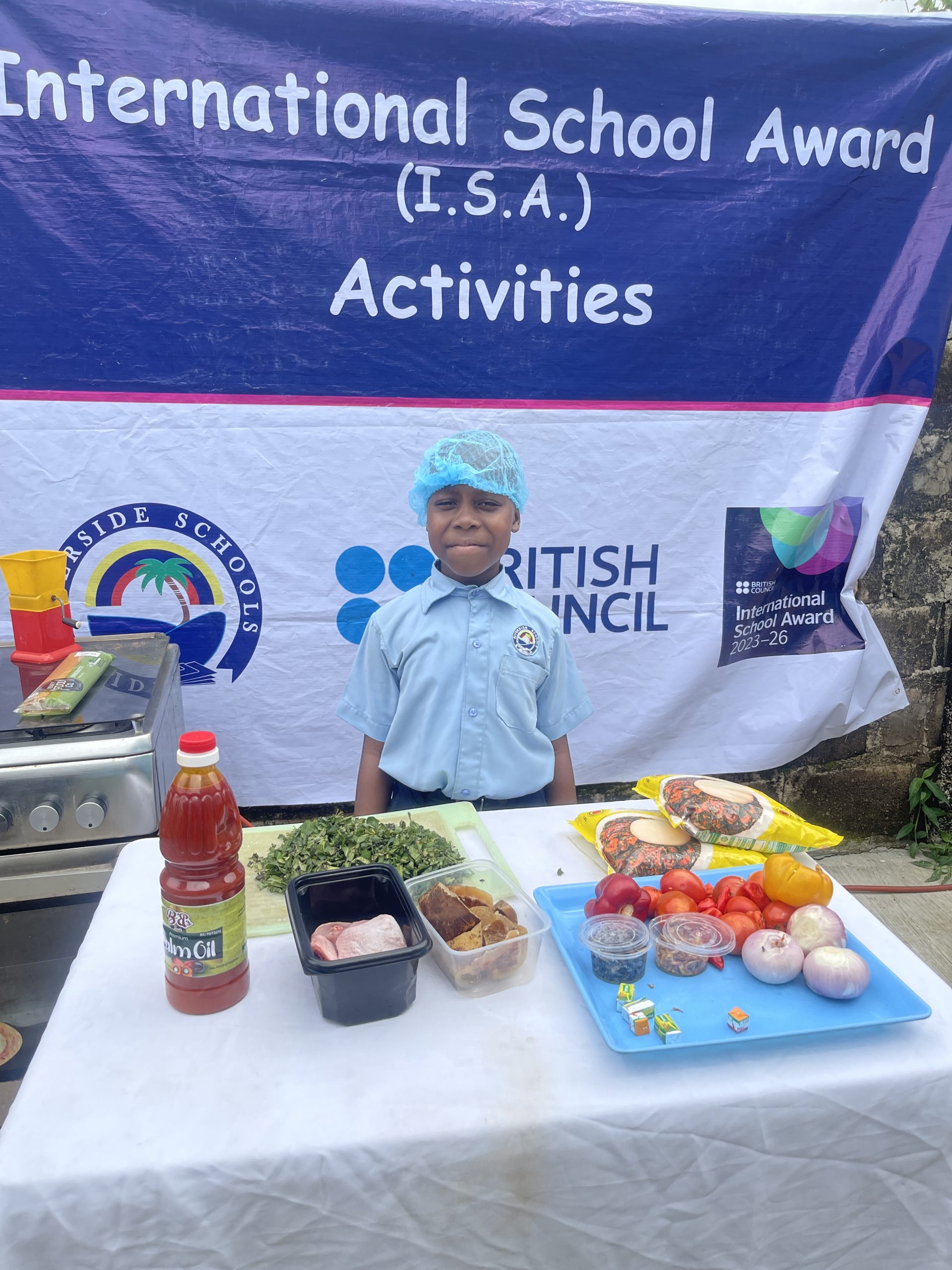
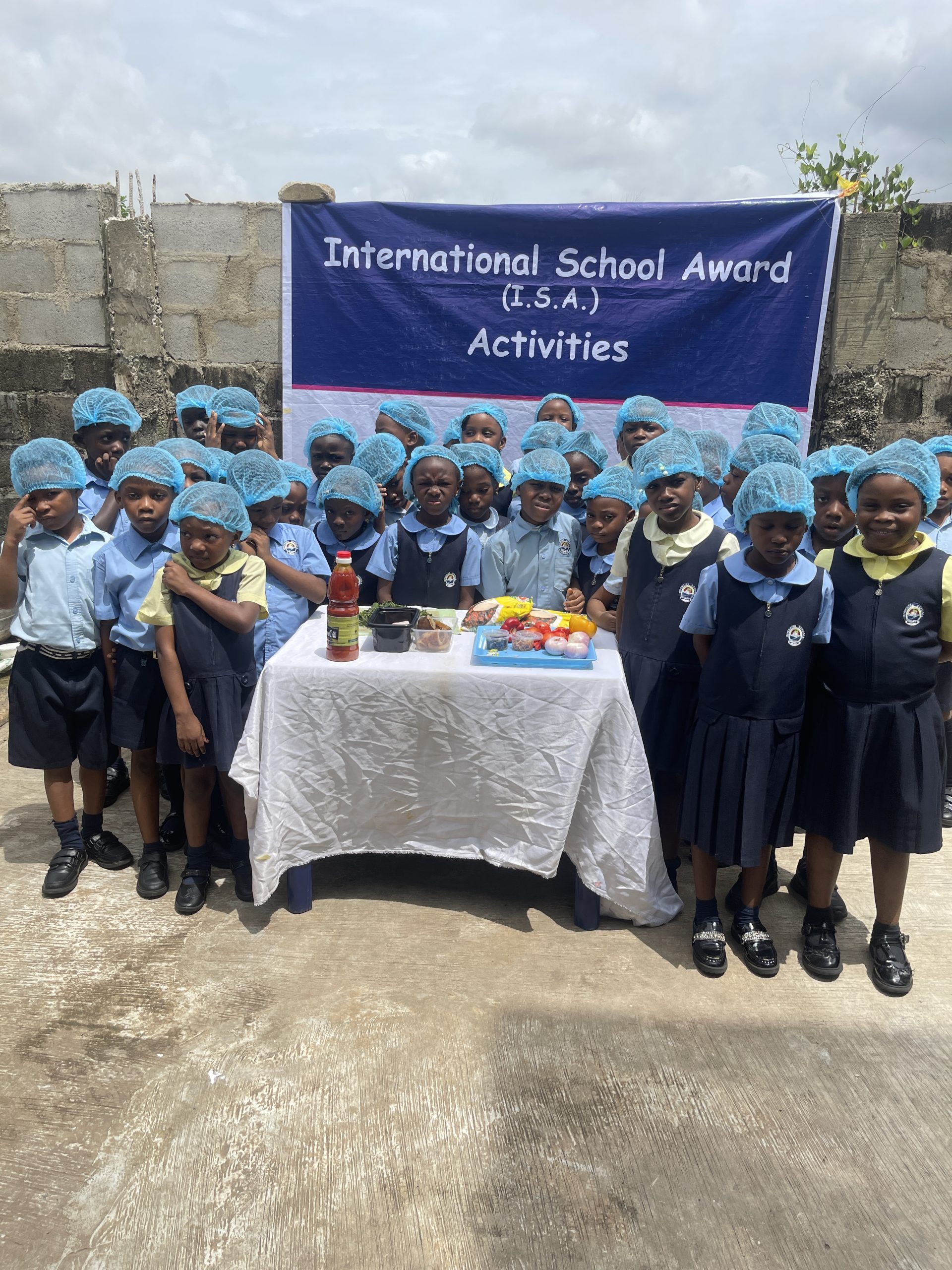
As part of the Festival Frenzy project, pupils explored the rich culinary traditions of Ghana, Tanzania, and Ethiopia through a practical cooking session. They prepared and learnt about traditional festival dishes, discovering how food reflects the history, customs, and identity of different communities. This activity strengthened cultural understanding, collaboration, and appreciation for Africa's diverse heritage while highlighting the role of food in bringing people together during celebrations.

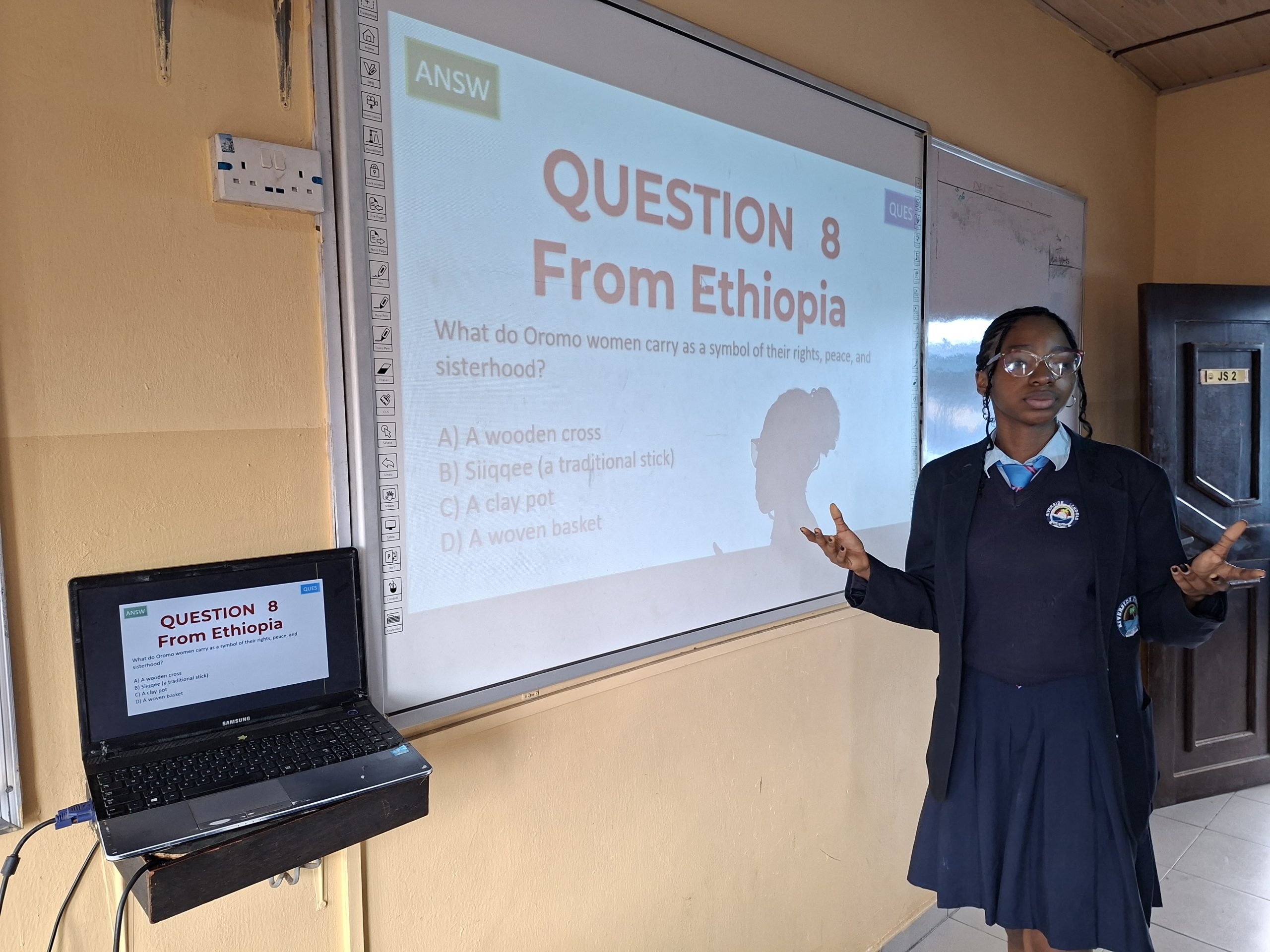
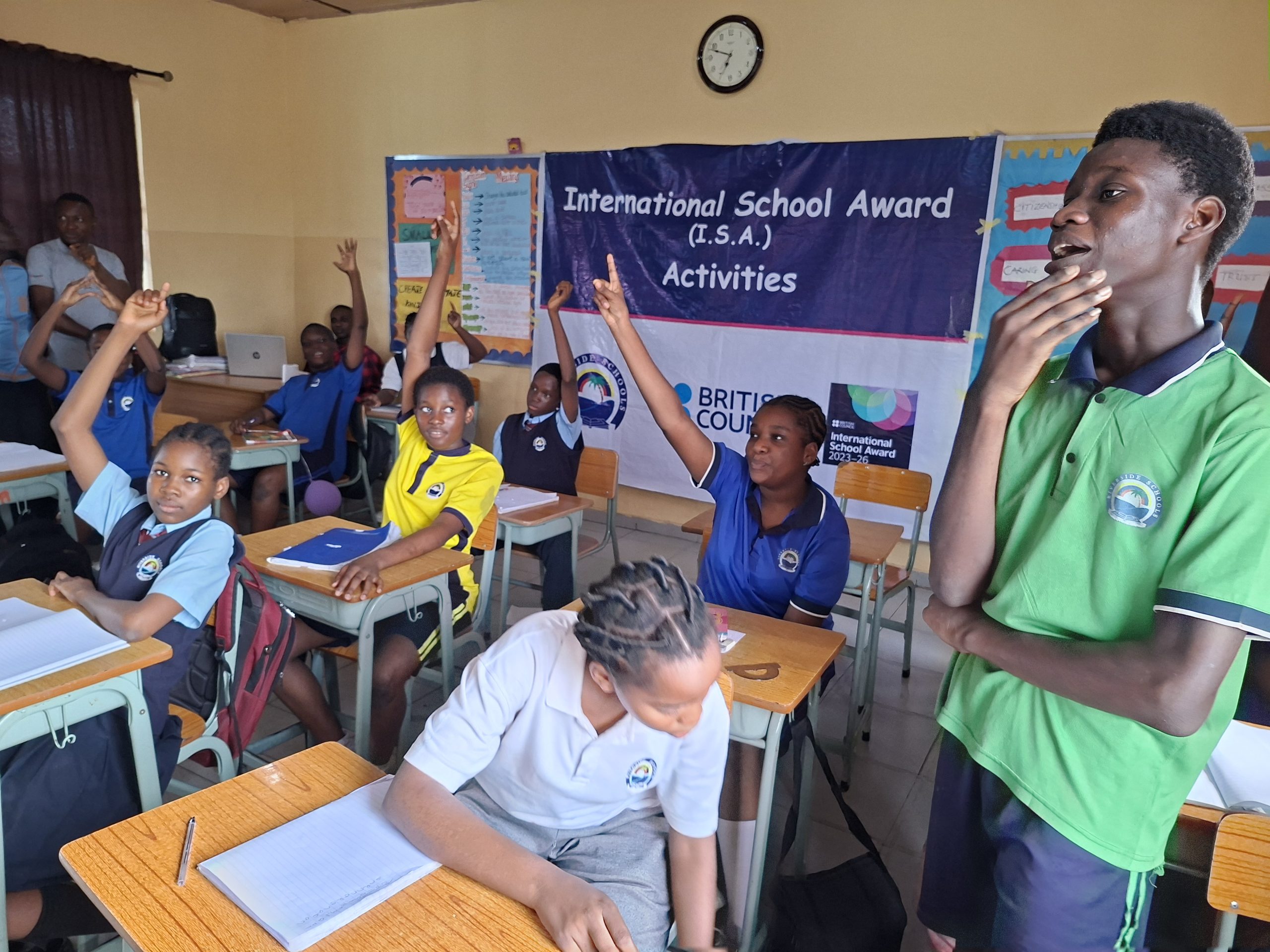
Activity 9: Quiz on African Traditions and Festivals
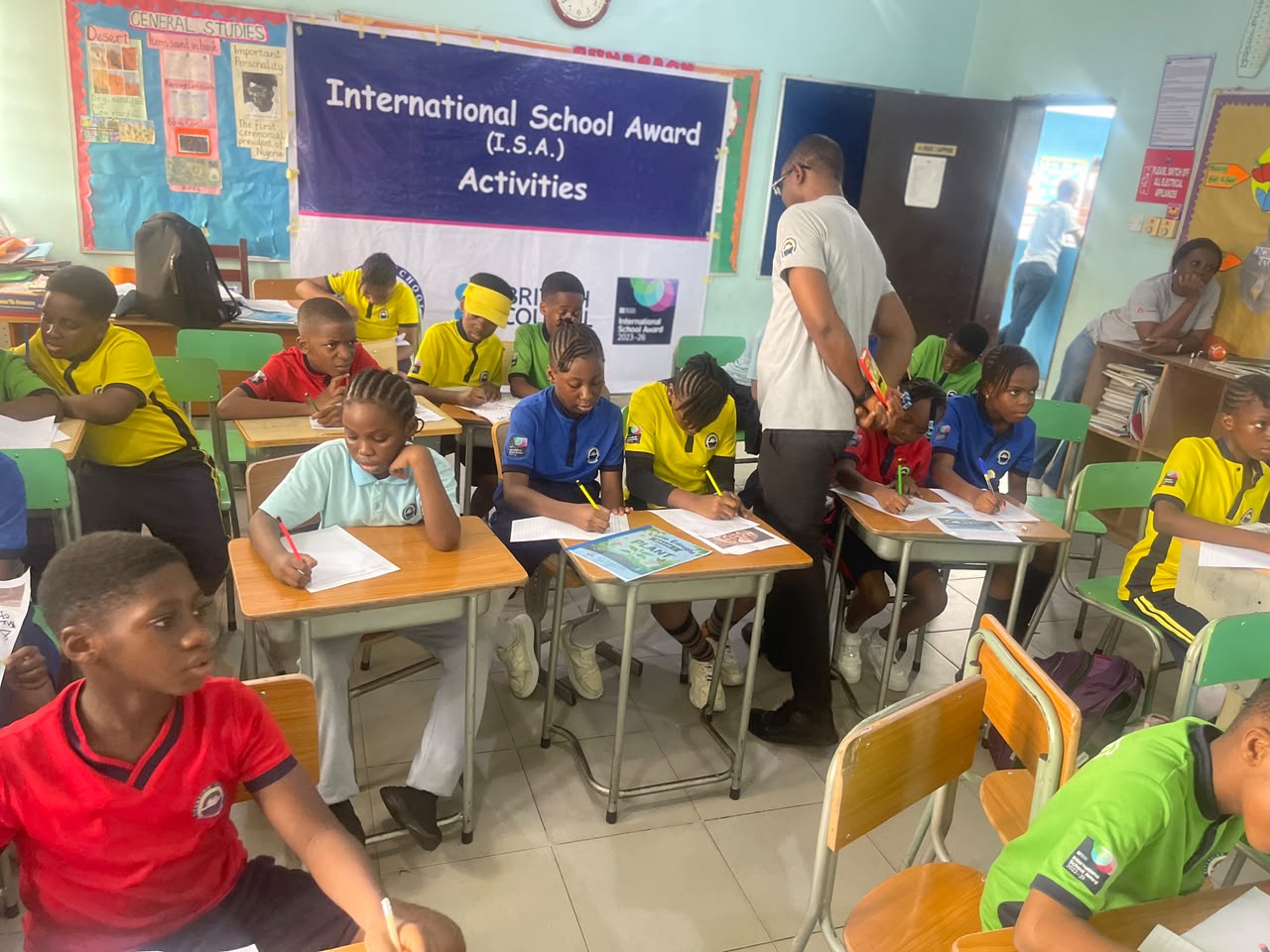
To conclude the project, pupils participated in an engaging quiz covering the traditions and festivals of the Oromo (Ethiopia), Maasai (Kenya), Shona (Zimbabwe), and Sukuma (Tanzania). Working collaboratively, learners answered questions, shared ideas, and demonstrated their understanding of the cultural practices explored throughout the project. The activity reinforced learning, encouraged critical thinking, and strengthened pupils' appreciation of Africa's diverse cultural heritage.


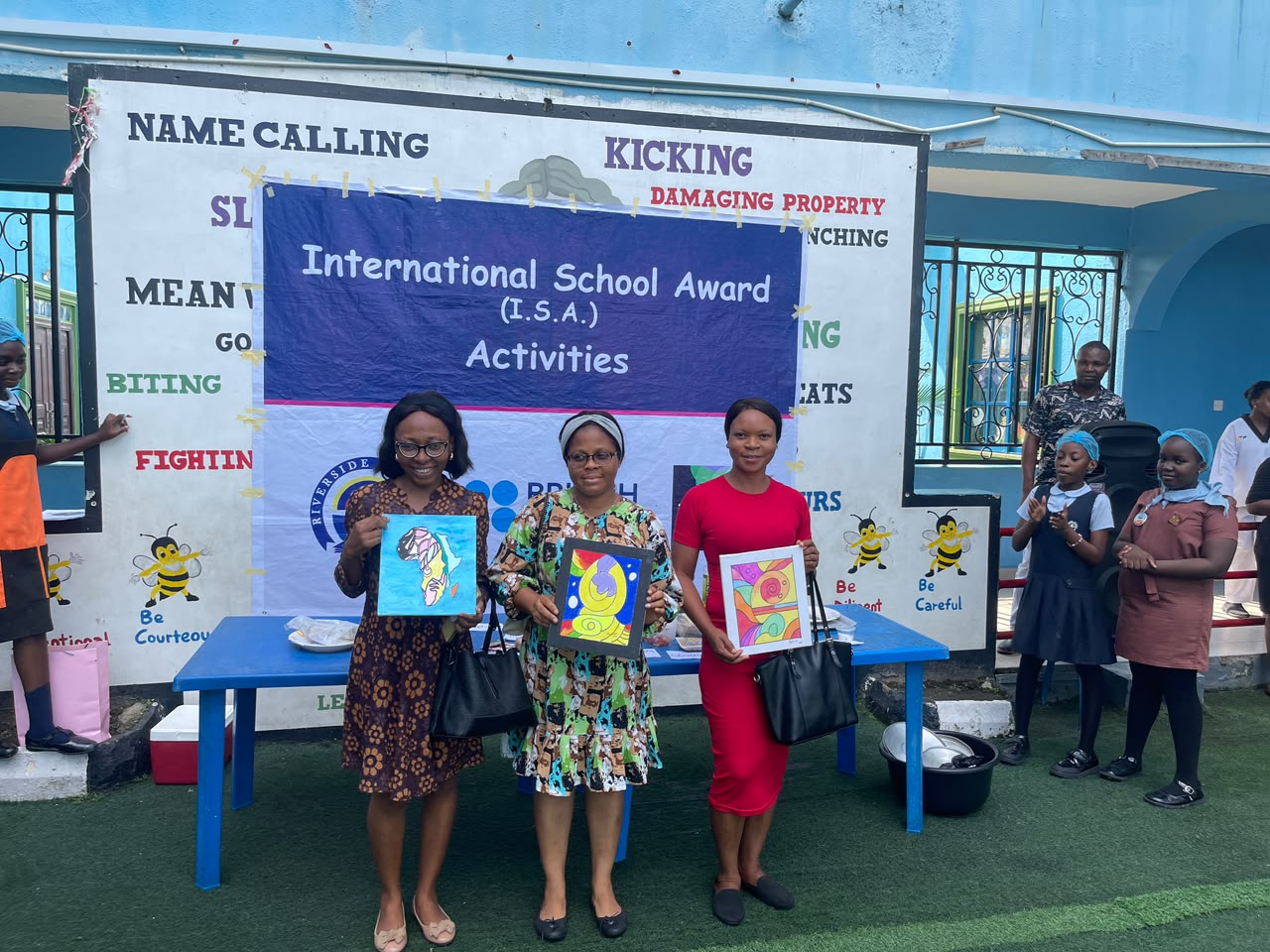
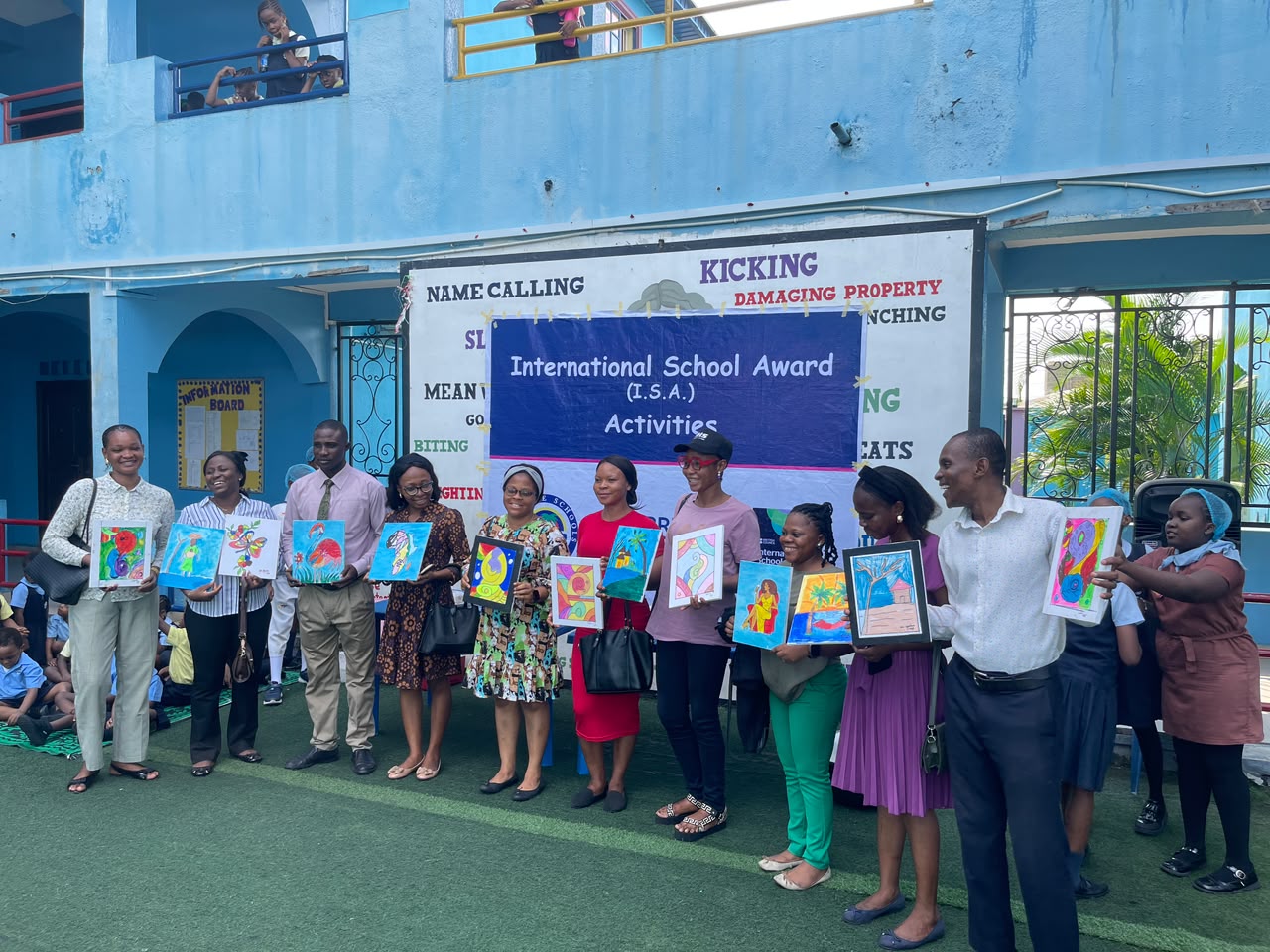
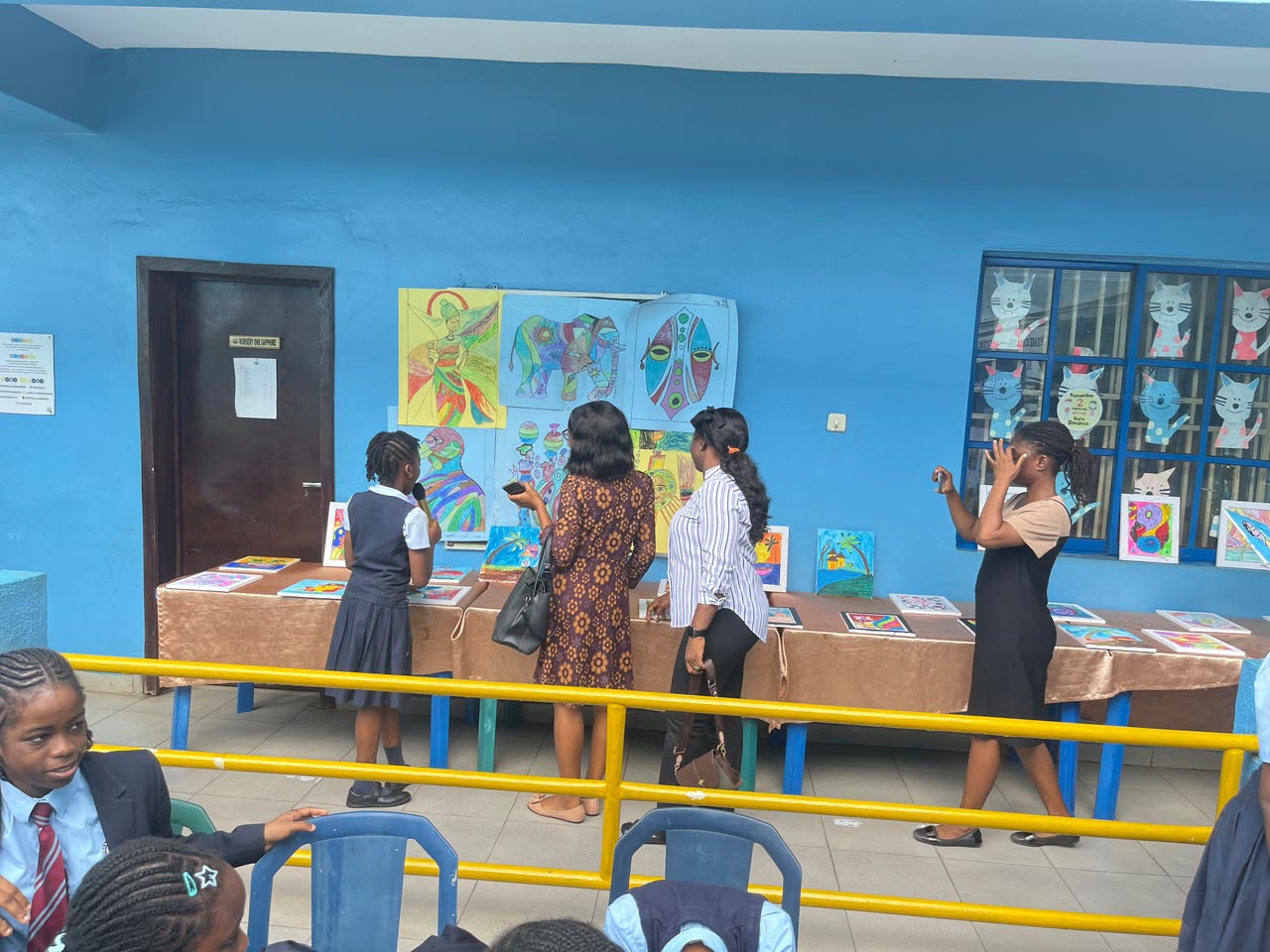
Activity 10: Art Exhibition – Celebrating African Festivals
Pupils presented an art exhibition featuring creative interpretations of the festivals celebrated by the Oromo (Ethiopia), Maasai (Kenya), Shona (Zimbabwe), and Sukuma (Tanzania). Through paintings, drawings, and craftwork, learners explored the cultural symbols, traditions, and celebrations of these communities. The exhibition encouraged creativity, intercultural understanding, and respect for Africa's diverse cultural heritage while fostering global citizenship and collaborative learning.


Governance – Leaders in Action
Governance: Leaders in Action empowered pupils to develop an understanding of leadership, democracy, and responsible citizenship through interactive and collaborative activities. By exploring the qualities of effective leaders and the importance of civic responsibility, learners strengthened their communication, teamwork, and decision-making skills while fostering respect for diversity, accountability, and active participation in society. The project supported the values of global citizenship and prepared pupils to become responsible leaders within their communities and beyond.
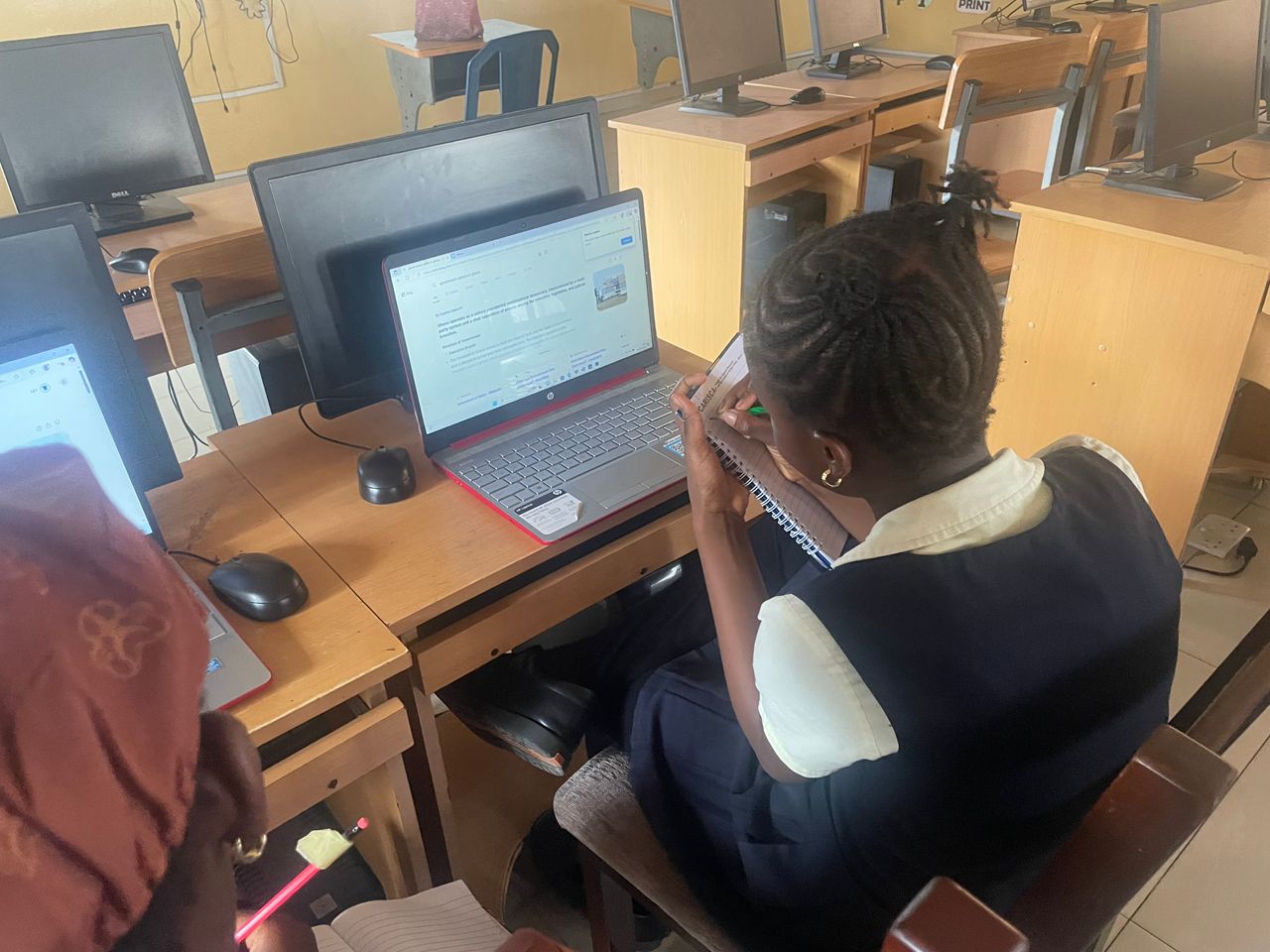
Activity 1: Researching the Systems of Government in Ghana, India, Nigeria, and the Niger Republic
As part of the Governance: Leadership in Action project, pupils conducted research on the systems of government in Ghana, India, Nigeria, and the Niger Republic. They examined the structure of government, leadership roles, and democratic processes in each country, comparing similarities and differences. This activity fostered global awareness, critical thinking, and an appreciation of responsible leadership and active citizenship.



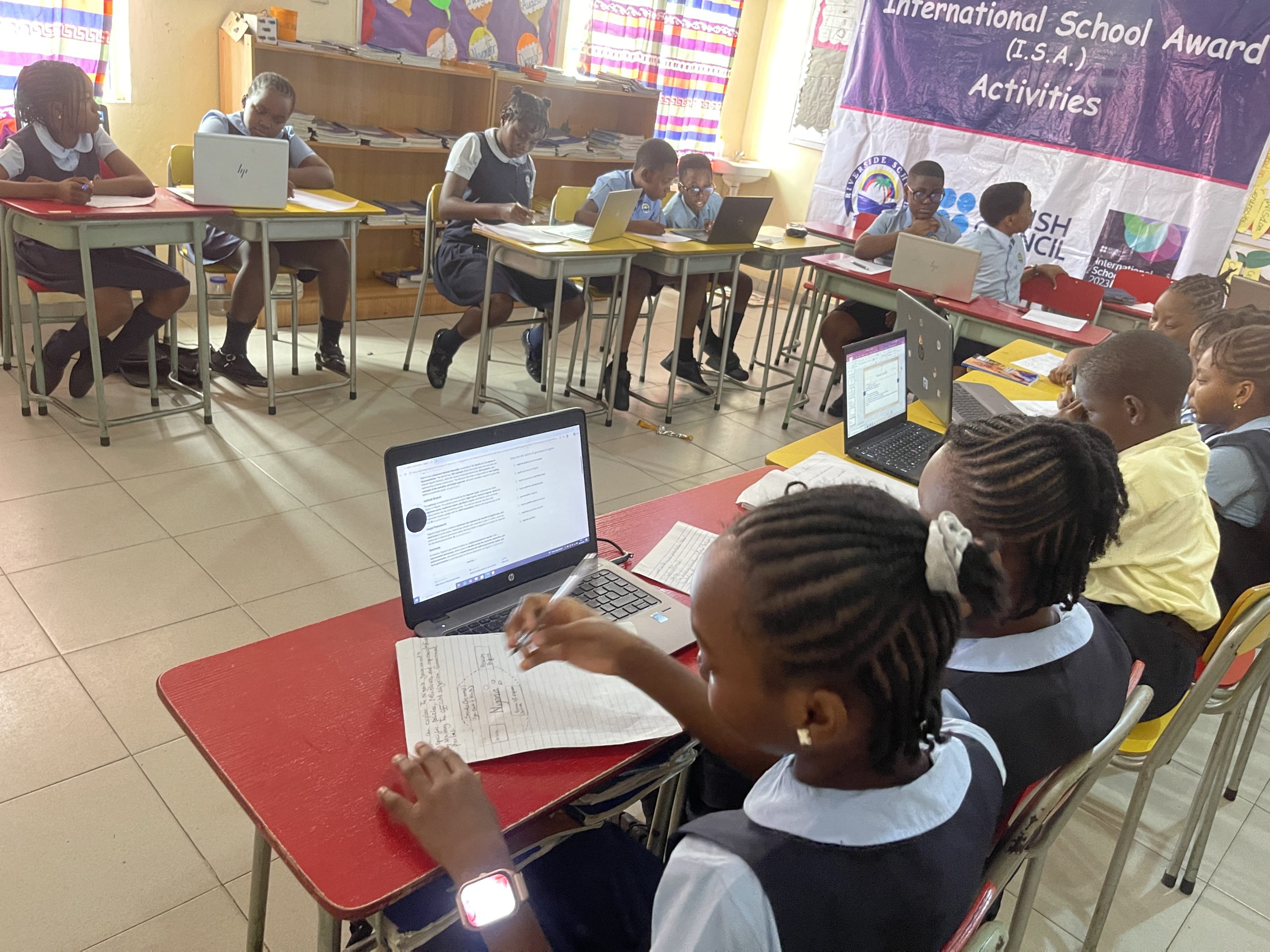
Activity 2: Creating a Scrapbook on Government Systems in African Countries
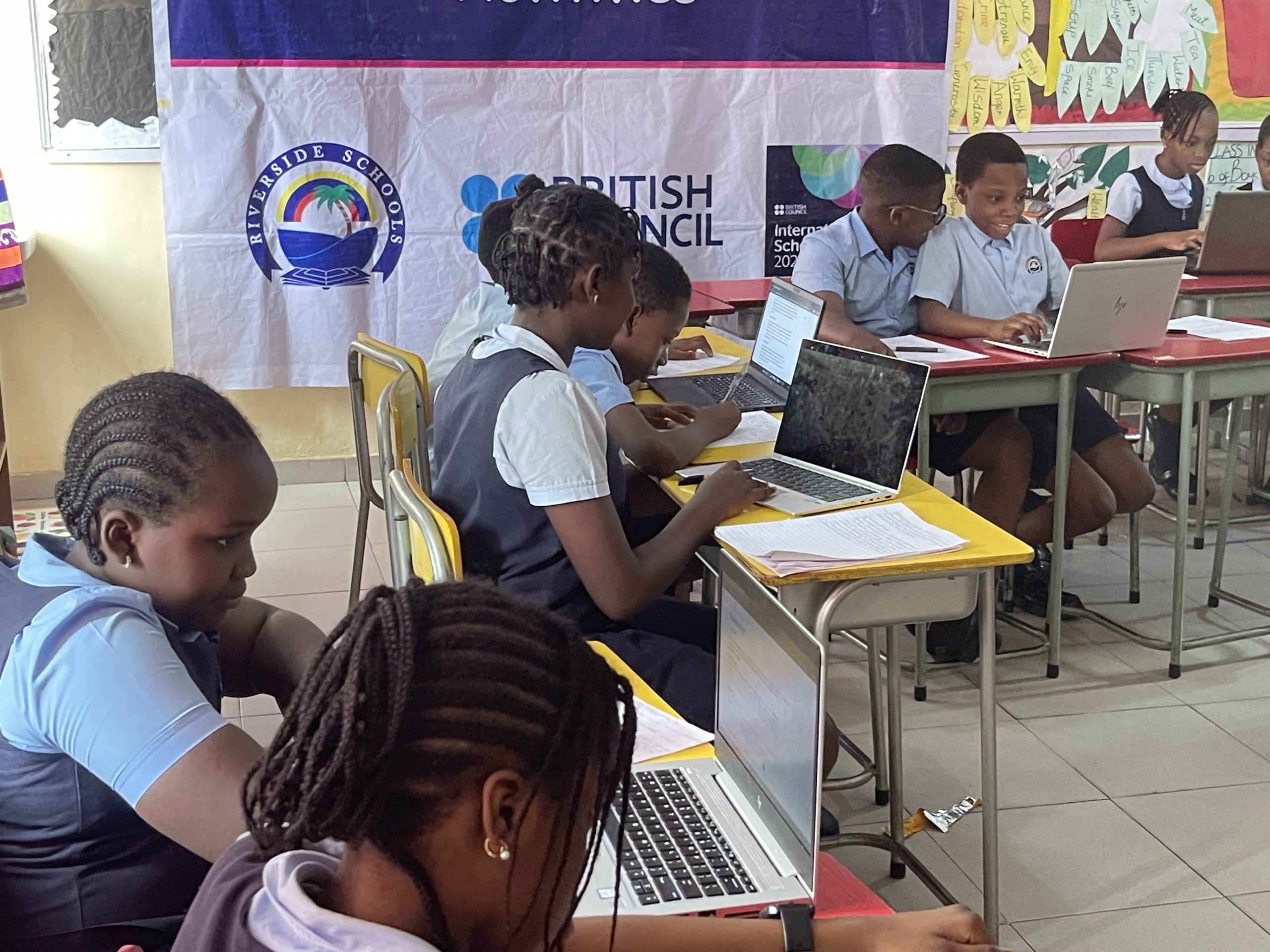
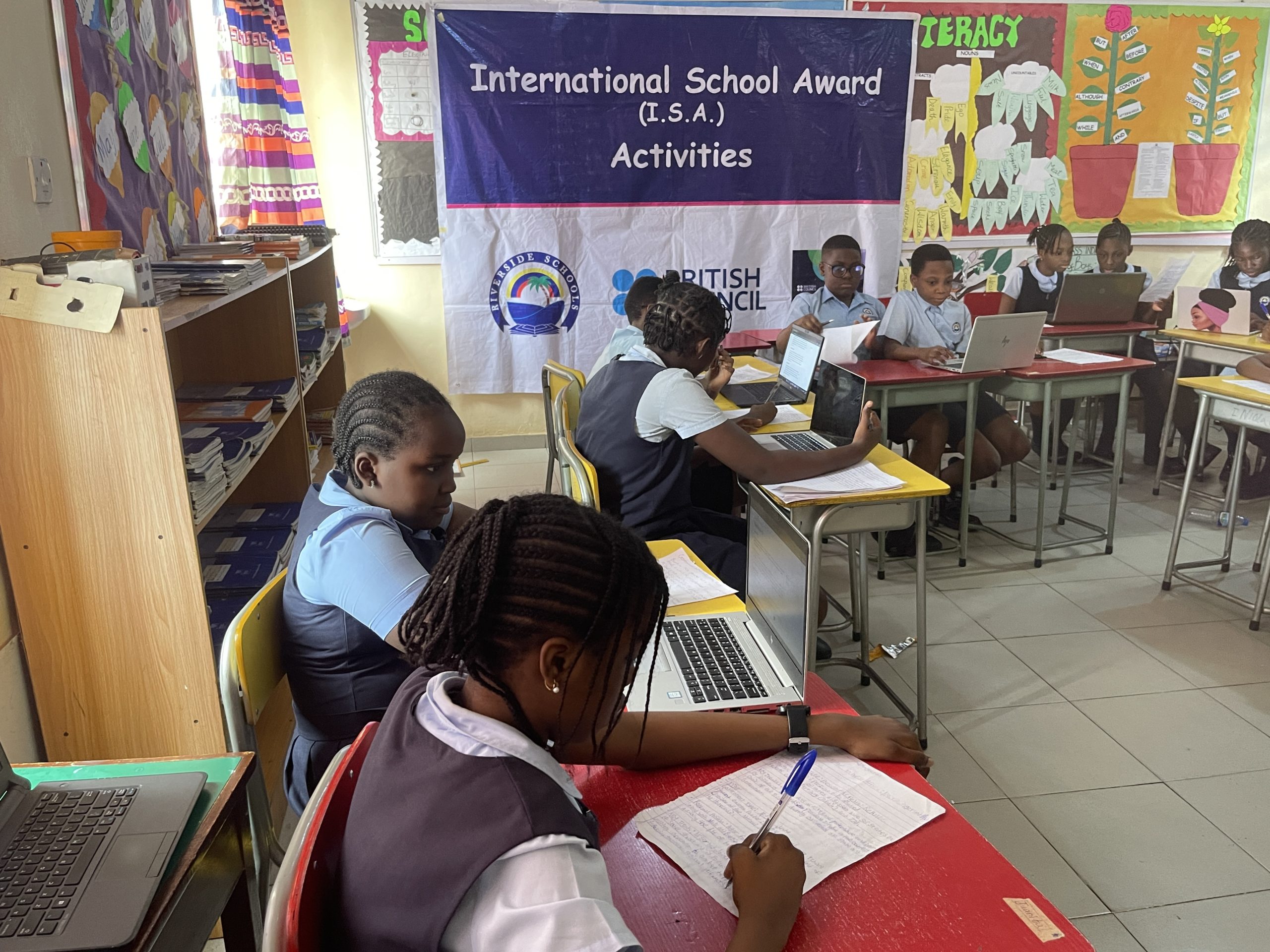
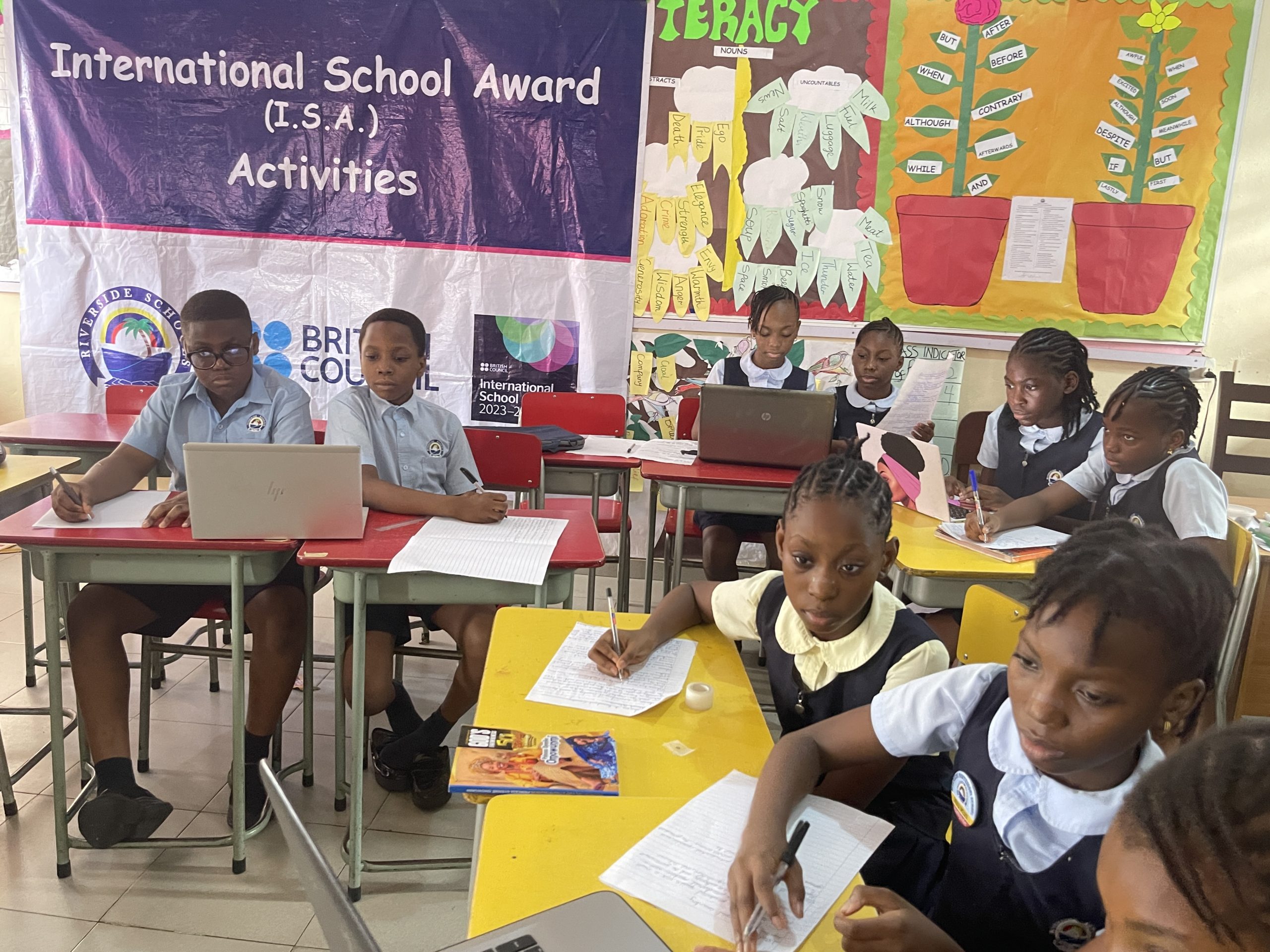
Pupils researched the systems of government in selected African countries and compiled key information into a collaborative scrapbook. By collecting, organising, and presenting relevant extracts, learners developed research, communication, and critical thinking skills while gaining a broader understanding of leadership, governance, and responsible citizenship from an international perspective.
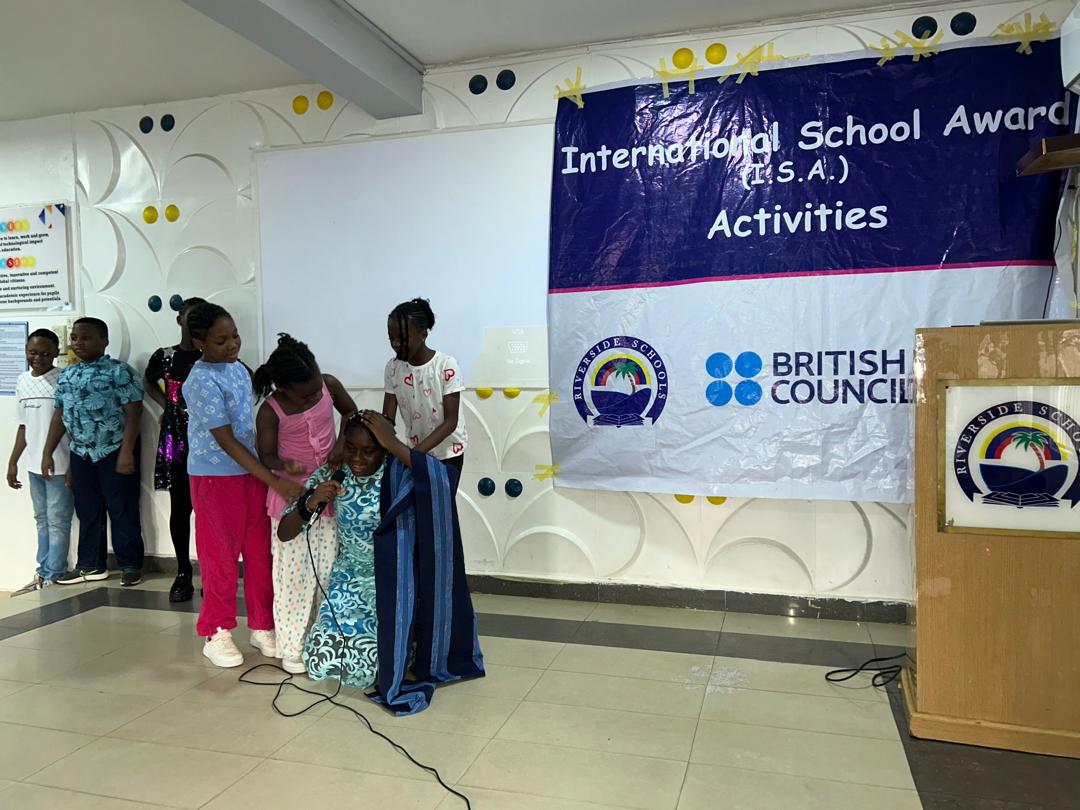
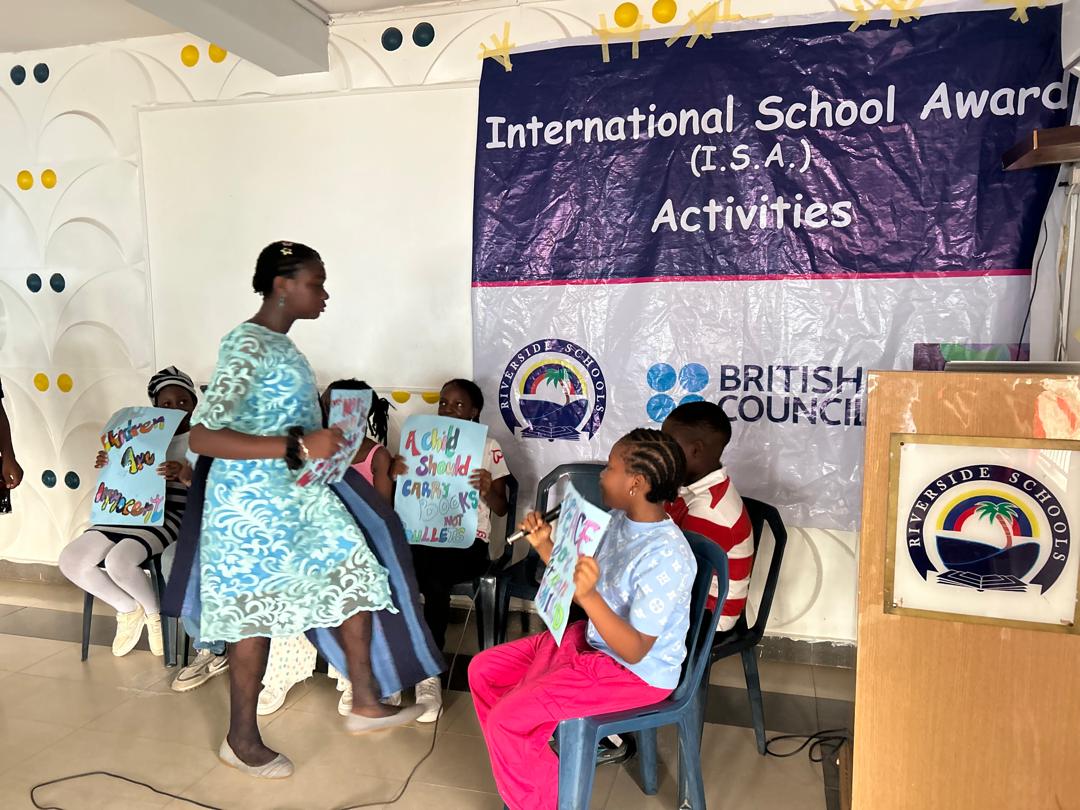
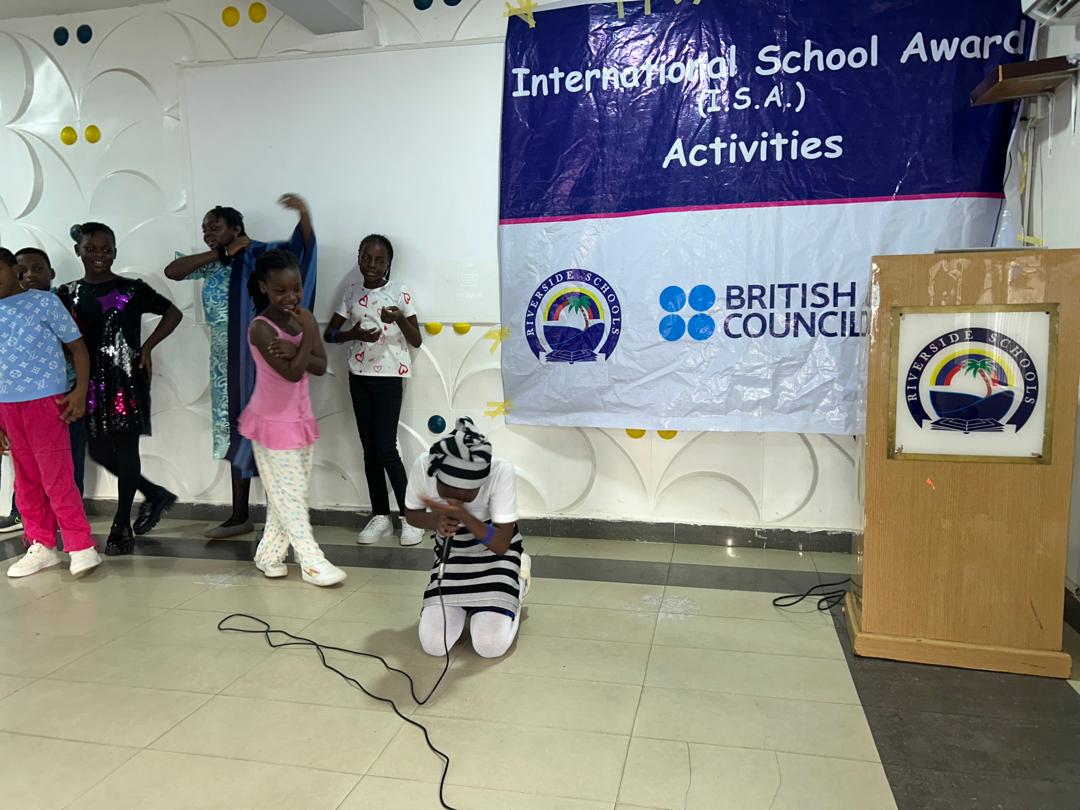
Activity 3: Role Play on the Effects of Child Soldiers
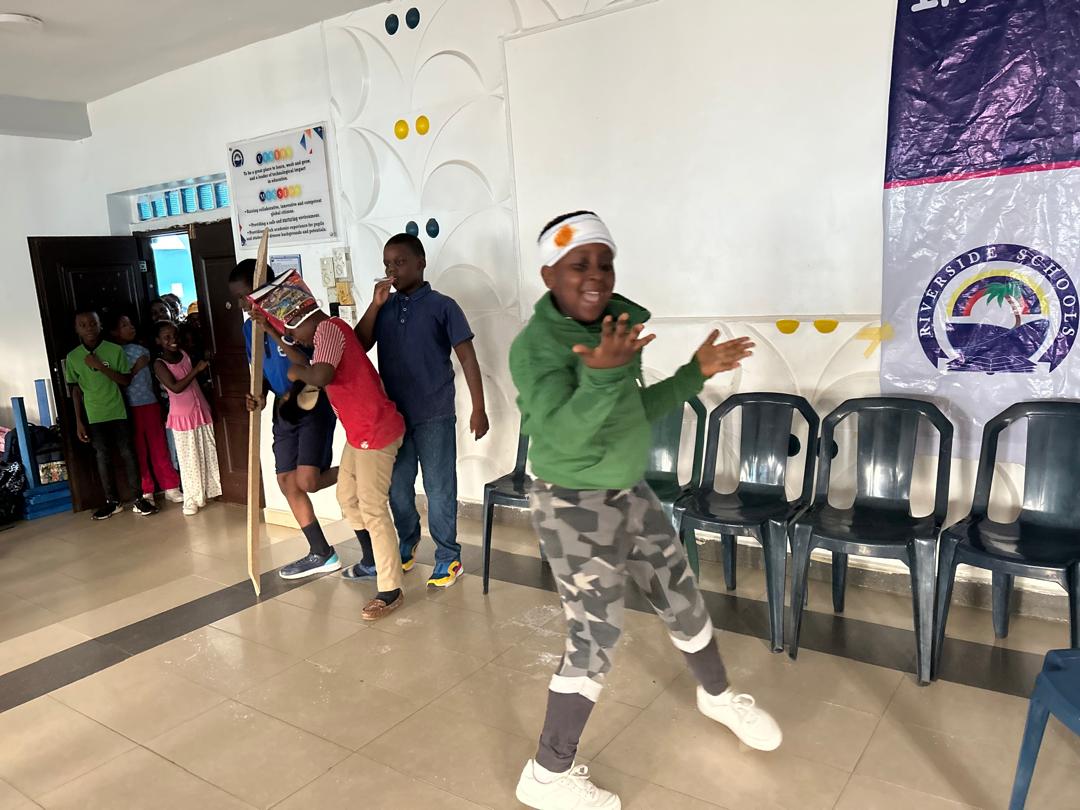
Through an engaging role-play, pupils examined the impact of child soldiers on children, families, and communities. The activity encouraged learners to reflect on the importance of peace, children's rights, education, and global efforts to protect children from conflict. By exploring real-world issues in a safe and age-appropriate way, pupils developed empathy, respect for human dignity, and a deeper understanding of their role in promoting a peaceful society.

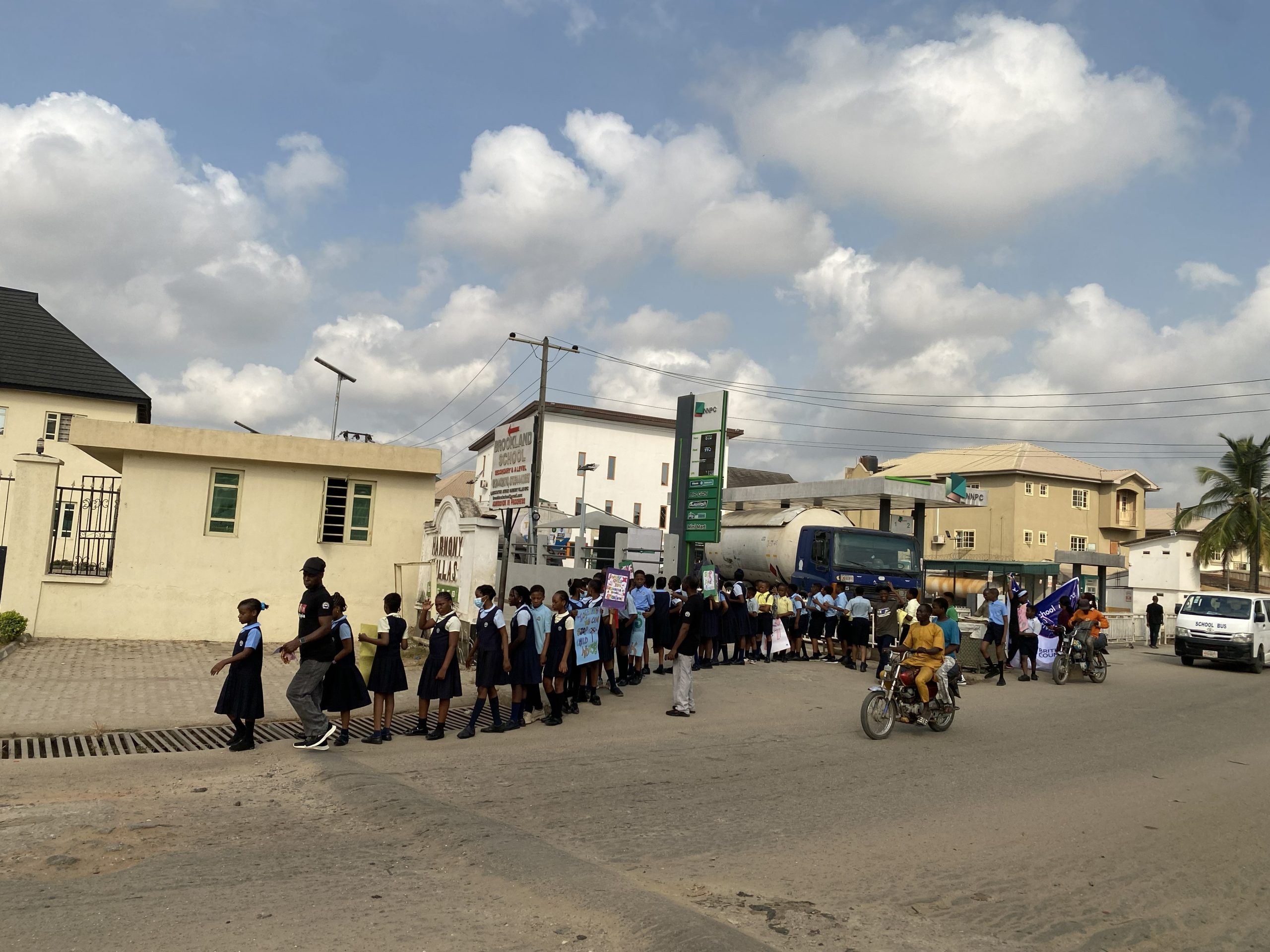
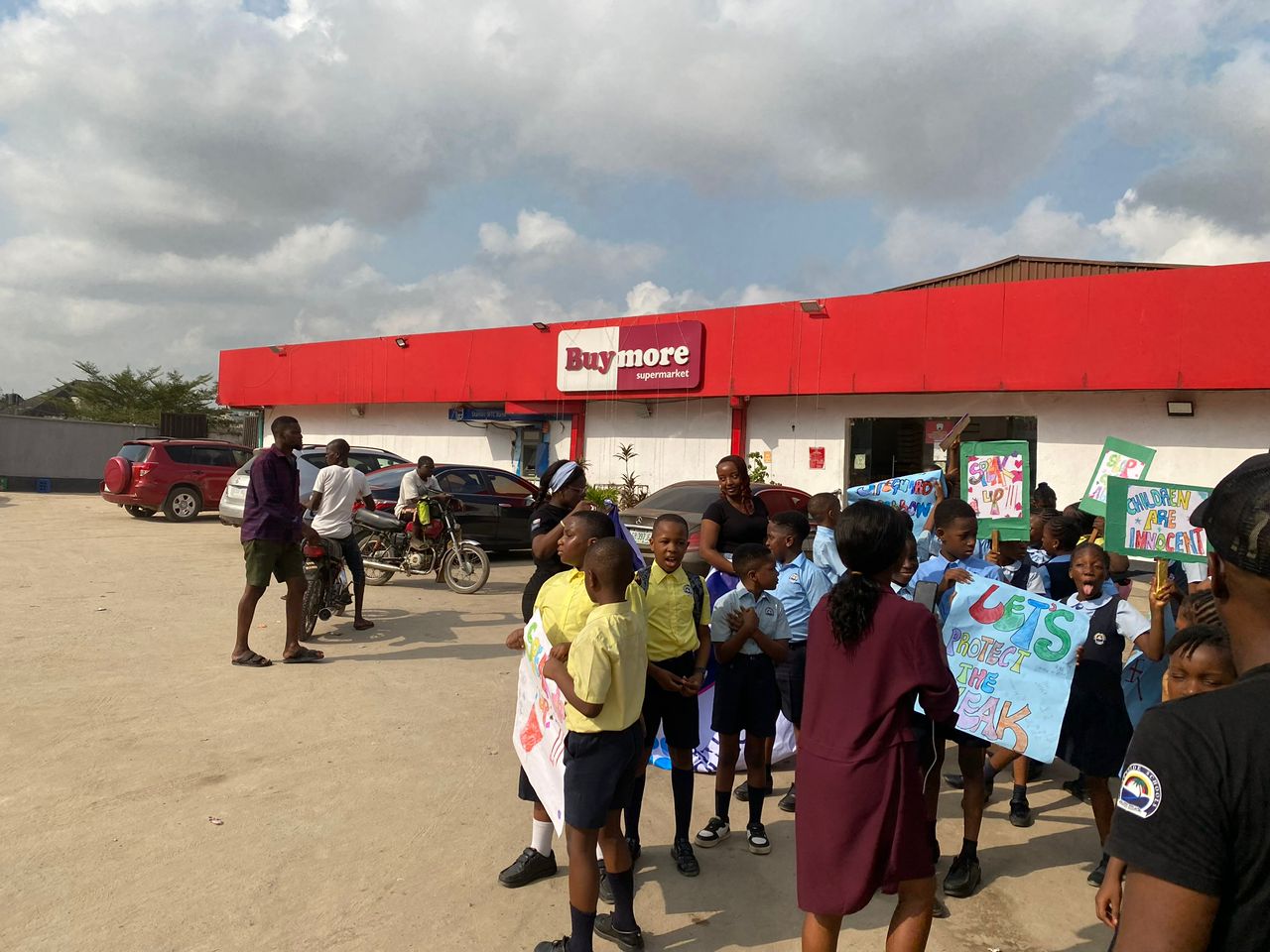
Activity 4: Peaceful Walk Against Child Abuse
As part of the project, pupils organised a Peaceful Walk Against Child Abuse to educate the school and wider community on the importance of protecting children's rights. Through advocacy messages and public awareness, learners promoted respect, compassion, and a culture of safety while demonstrating their commitment to building peaceful and inclusive communities. This activity strengthened pupils' sense of social responsibility, global citizenship, and respect for human rights.

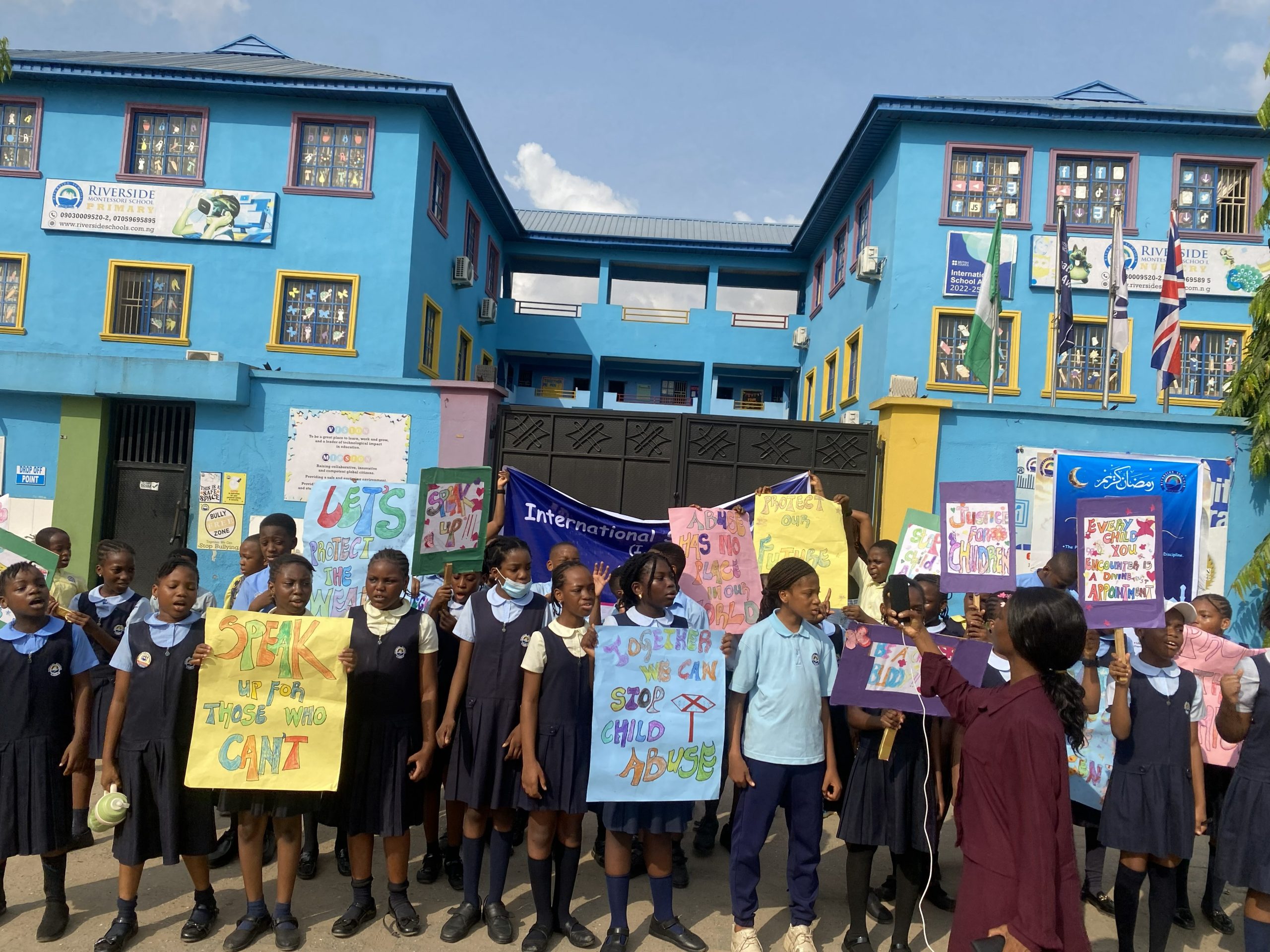
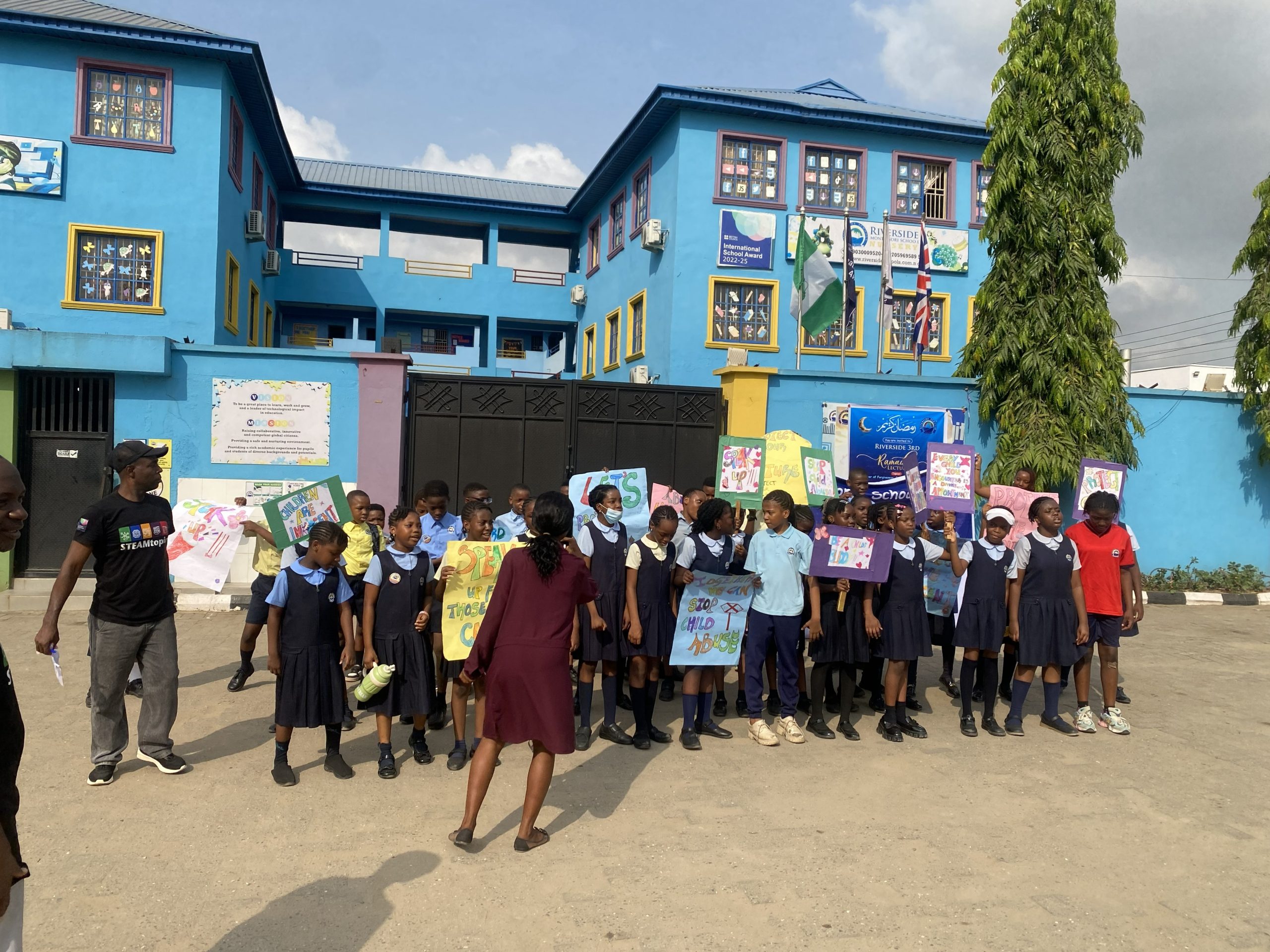
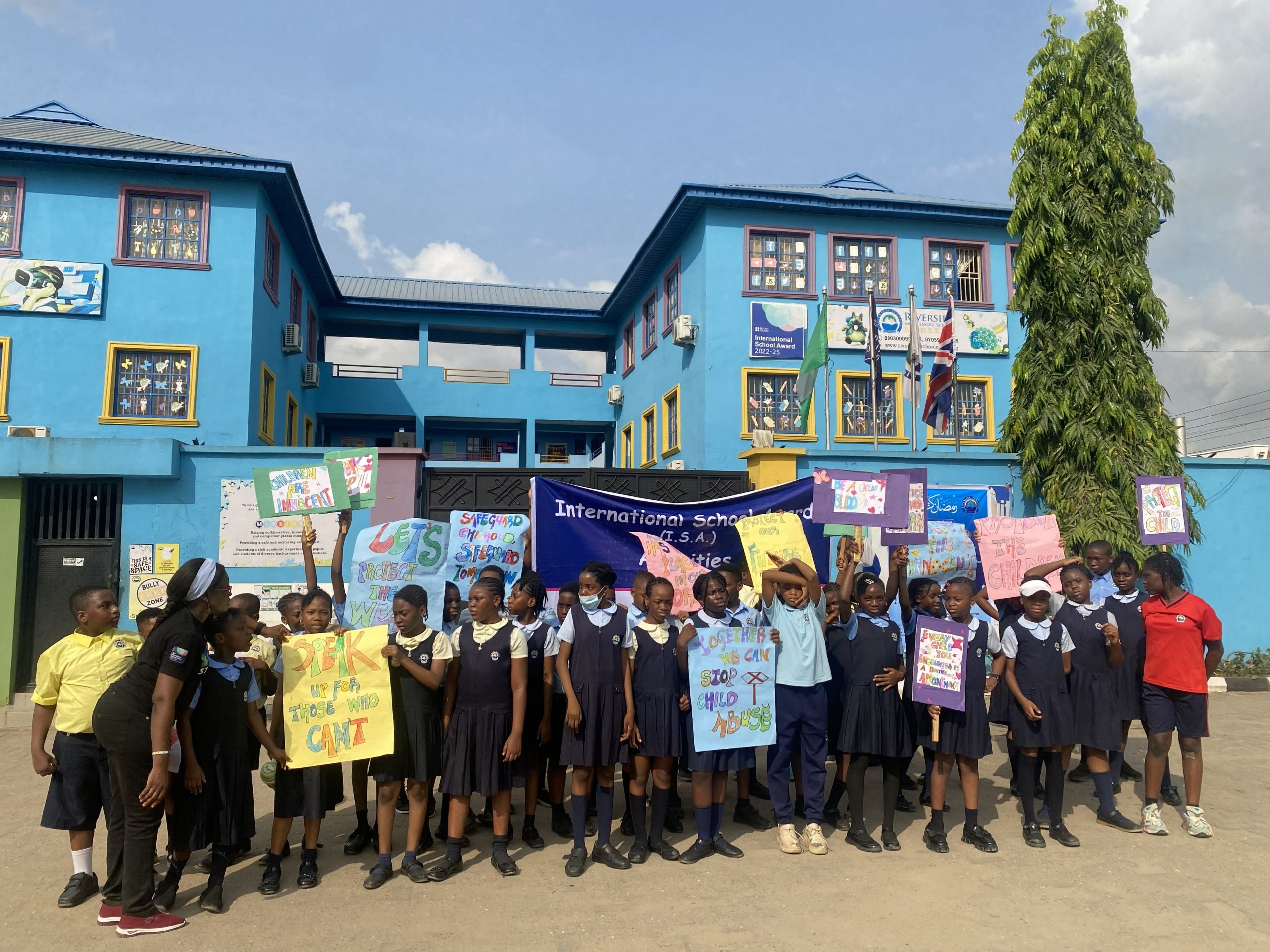
Activity 5: Peaceful Demonstration on Child Abuse
As part of the "Exploiting Faith for a Peaceful World" project, pupils participated in a peaceful awareness demonstration advocating for the protection of children from abuse. Through meaningful messages, songs, and placards, they promoted compassion, respect, and the rights of every child to live in a safe and supportive environment. The activity reinforced the values of peace, justice, empathy, and responsible global citizenship.



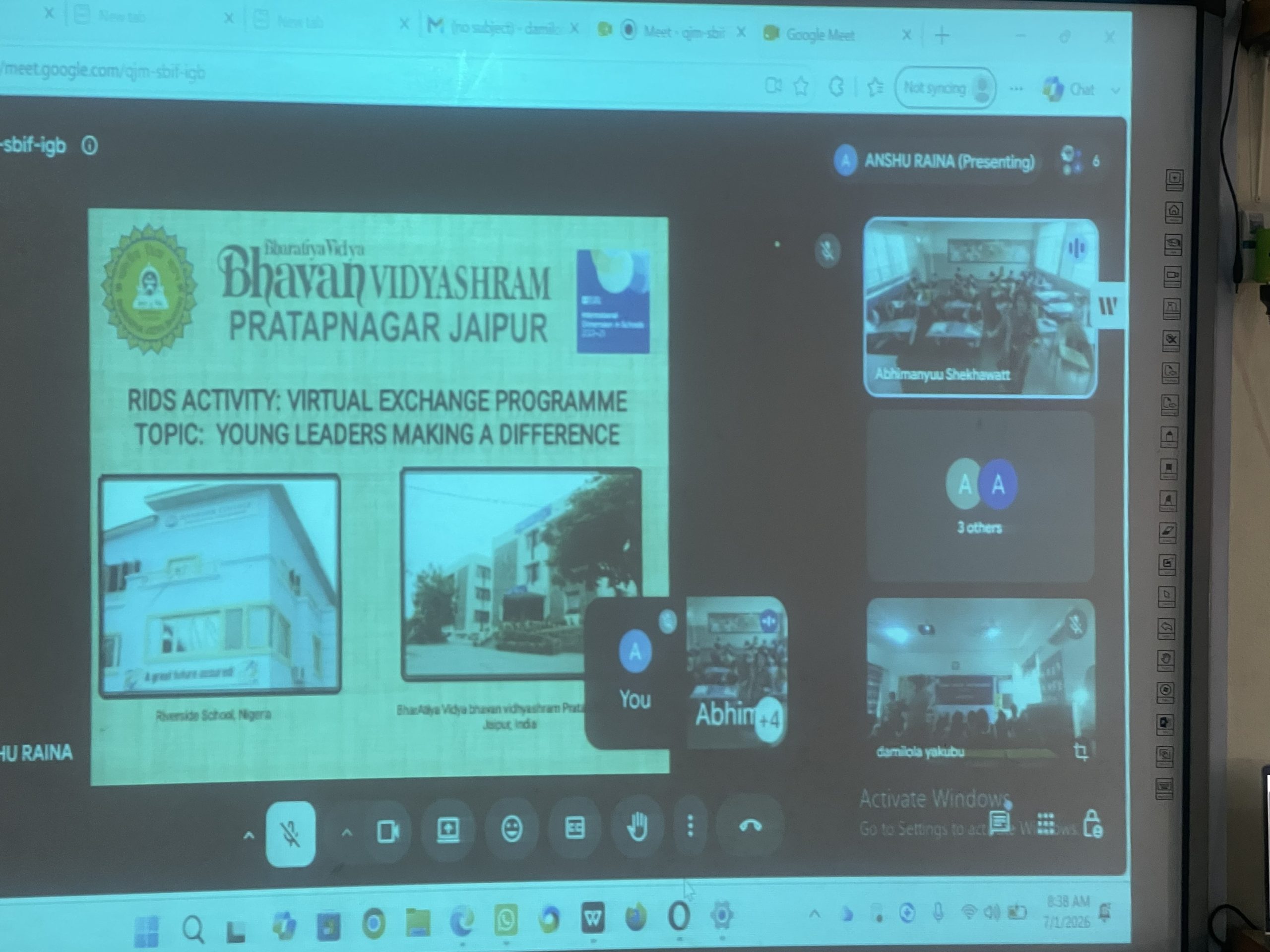
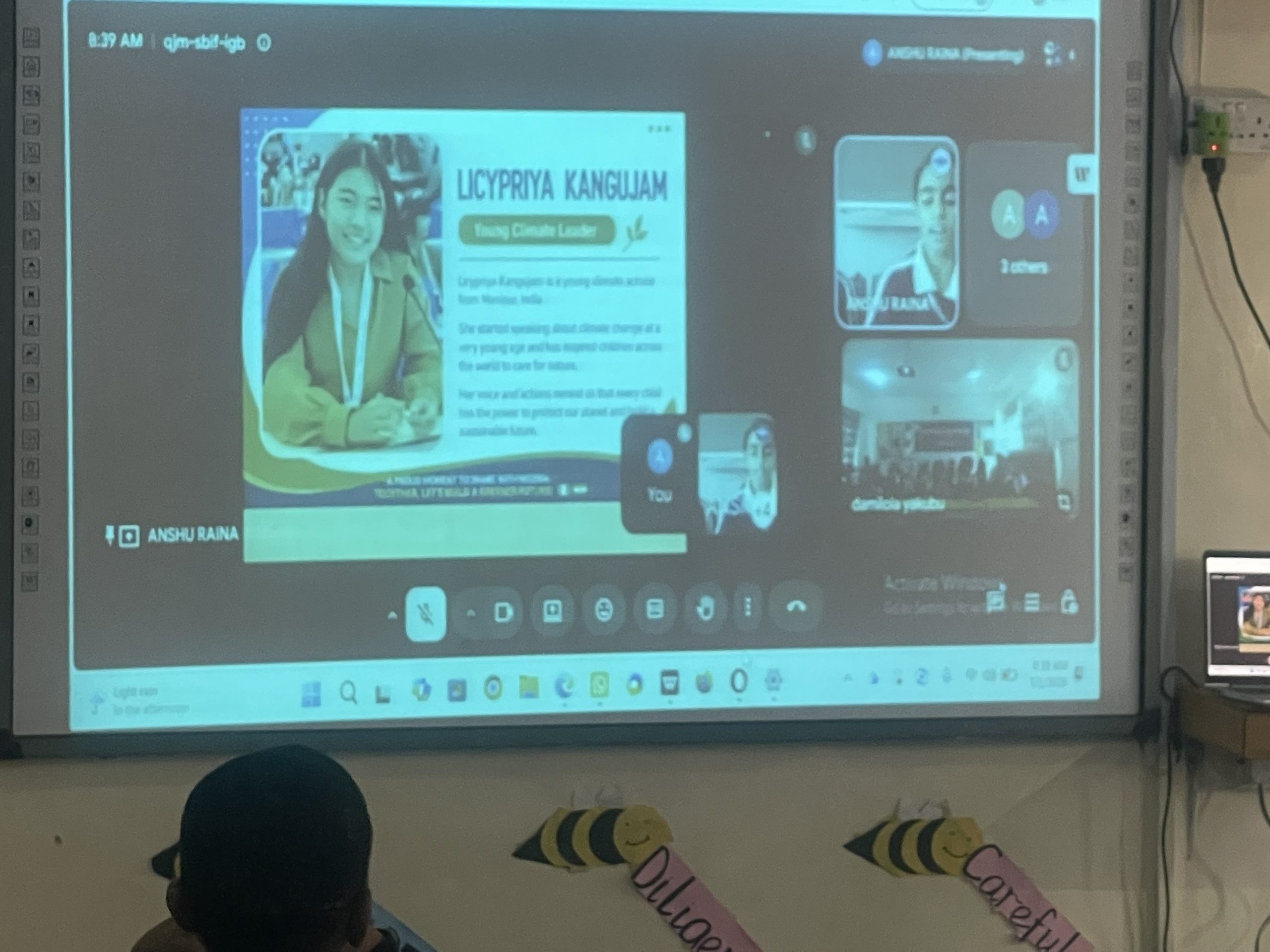
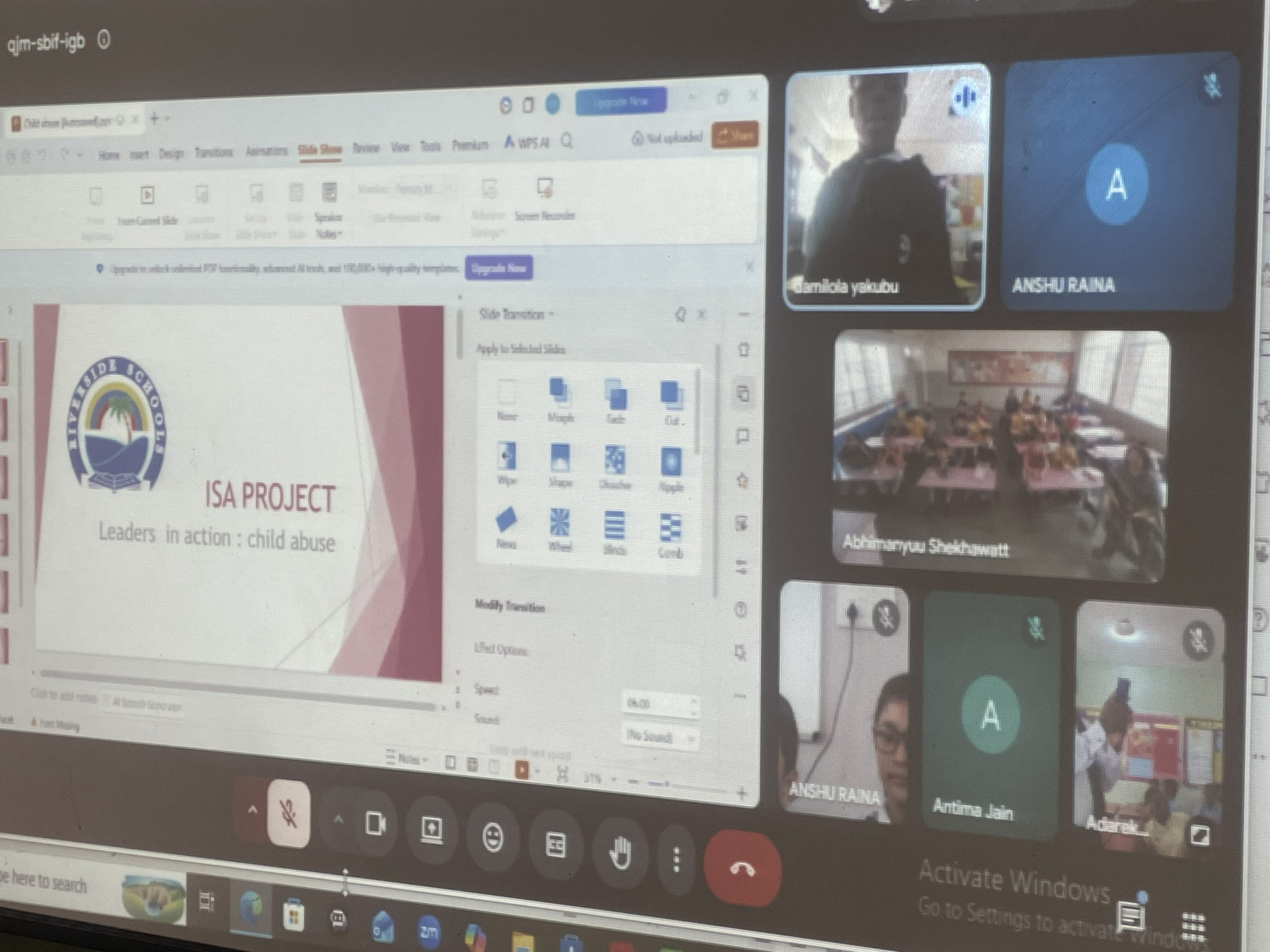
Activity 6: International Collaboration with a School in India
As part of the Festival Frenzy project, pupils engaged in a virtual collaboration with a partner school in India, exchanging ideas and presentations on cultural festivals and traditions. Through this international learning experience, learners broadened their understanding of global cultures, strengthened communication skills, and developed respect for diversity while building meaningful international connections.


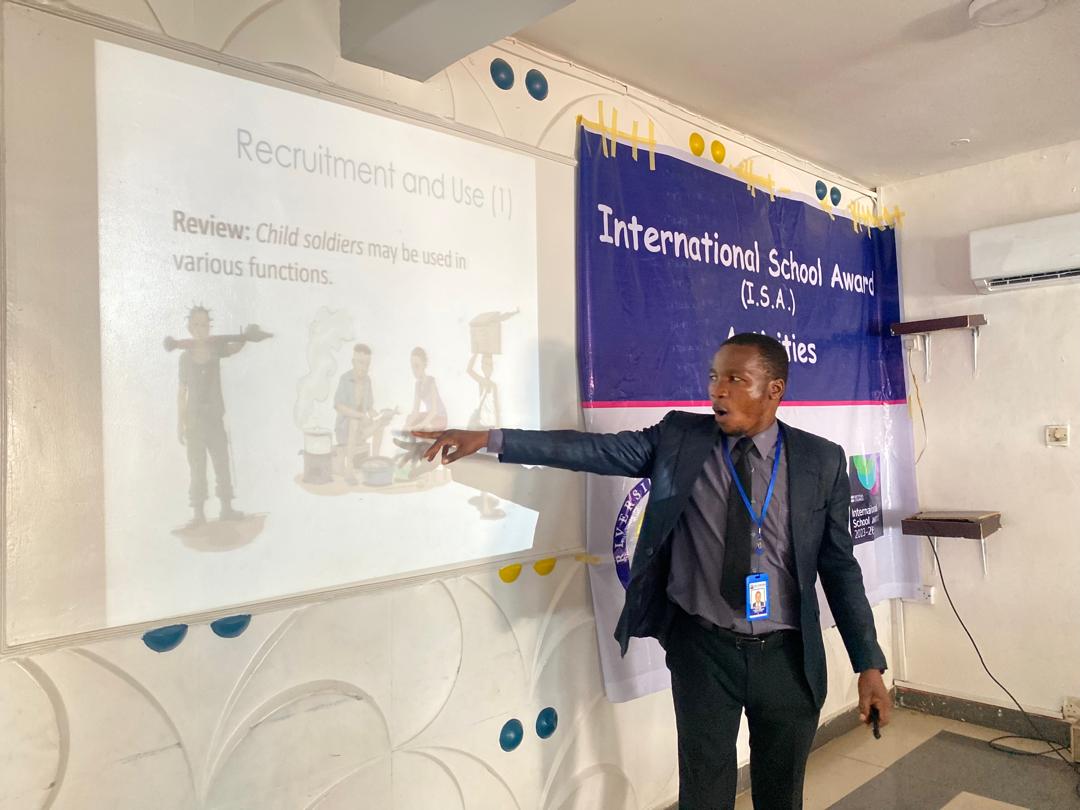
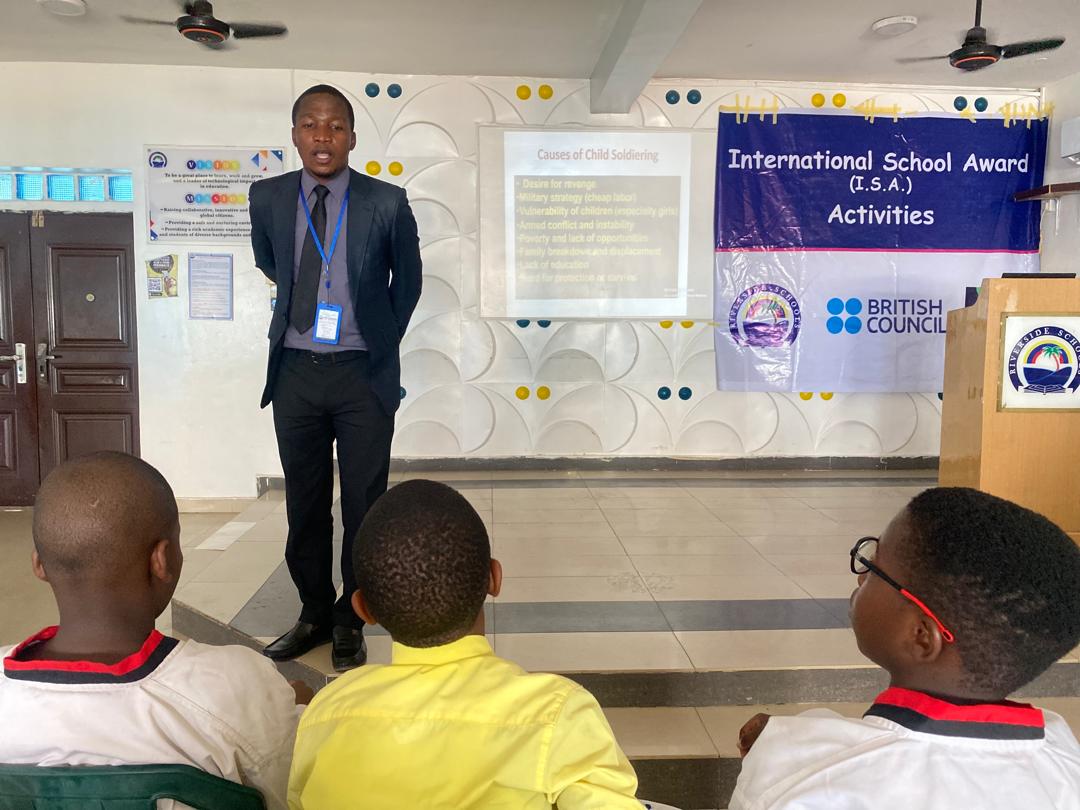
Activity 7: Conference on the Effects of Military Rule in Africa
As part of the Governance: Leadership in Action project, pupils took part in a conference examining the effects of military rule in Africa. Through collaborative discussions and presentations, they explored the historical impact of military governance on democratic institutions, leadership, and societal development. The activity encouraged learners to reflect on the values of democracy, responsible leadership, human rights, and active citizenship while developing their research, communication, and critical thinking skills.

Unity in Diversity – Exploring Faiths for a Peaceful World
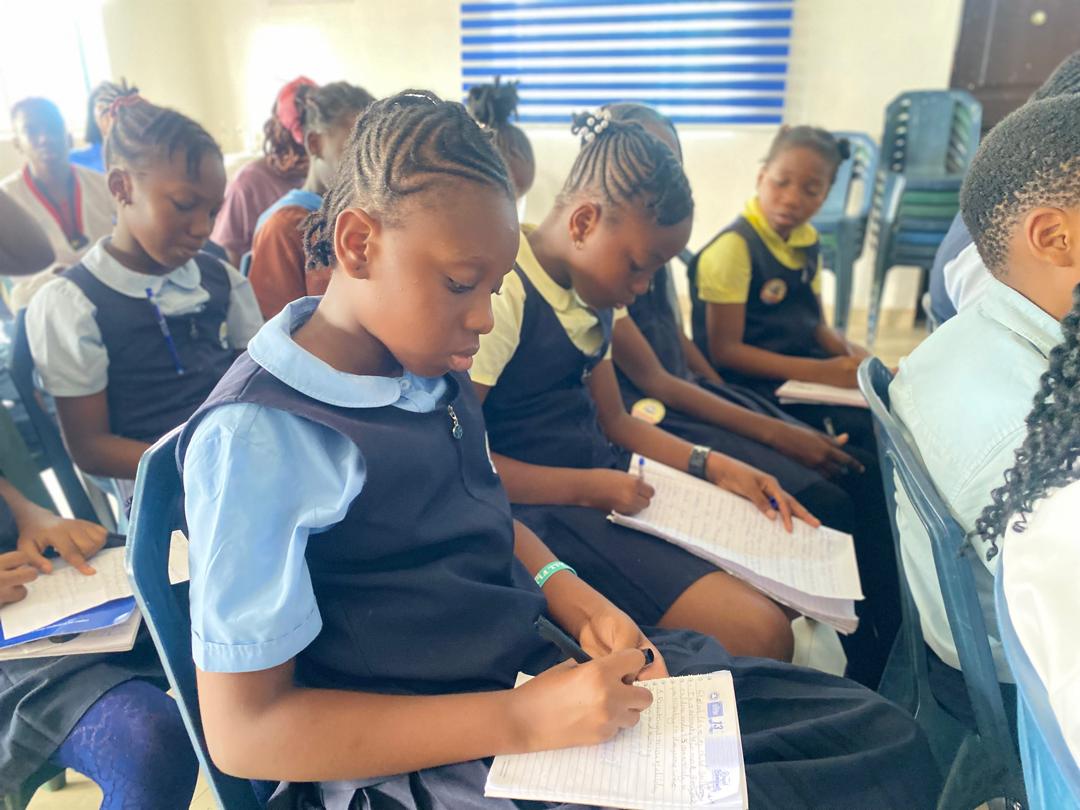
As part of the International School Award (ISA) programme, pupils explored the beliefs, traditions, and values of different faiths to develop a deeper understanding of religious diversity and its role in promoting peace. Through collaborative learning, research, and cultural exchange, they discovered the common principles of love, compassion, respect, and tolerance shared across religions. The project strengthened pupils' global awareness, intercultural understanding, and commitment to building peaceful and inclusive communities.
Activity 1: Researching Major Religions in India and Nigeria
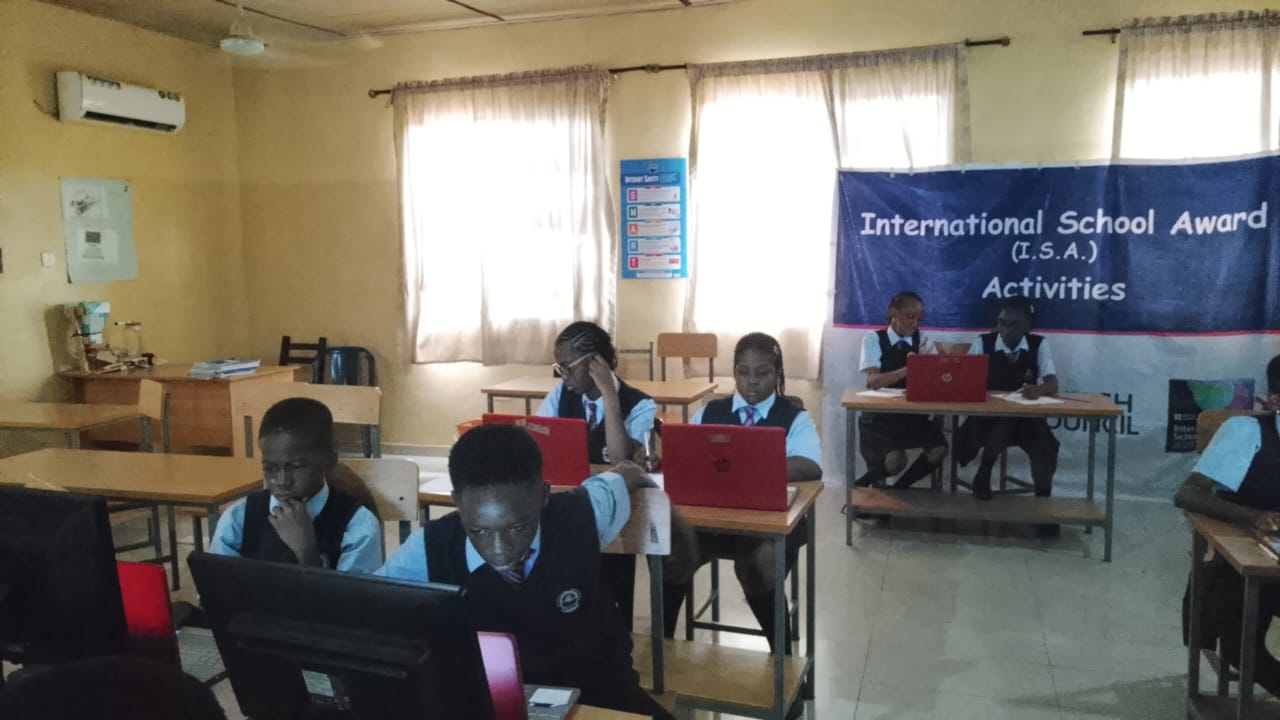
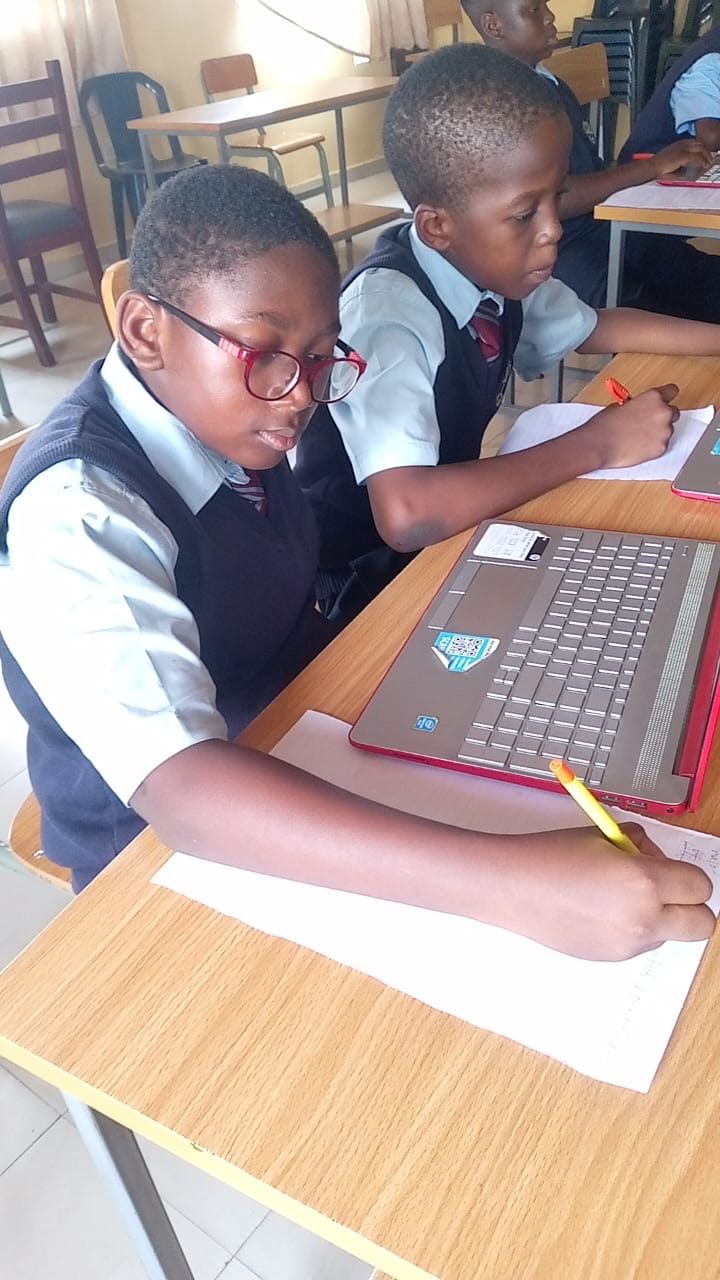
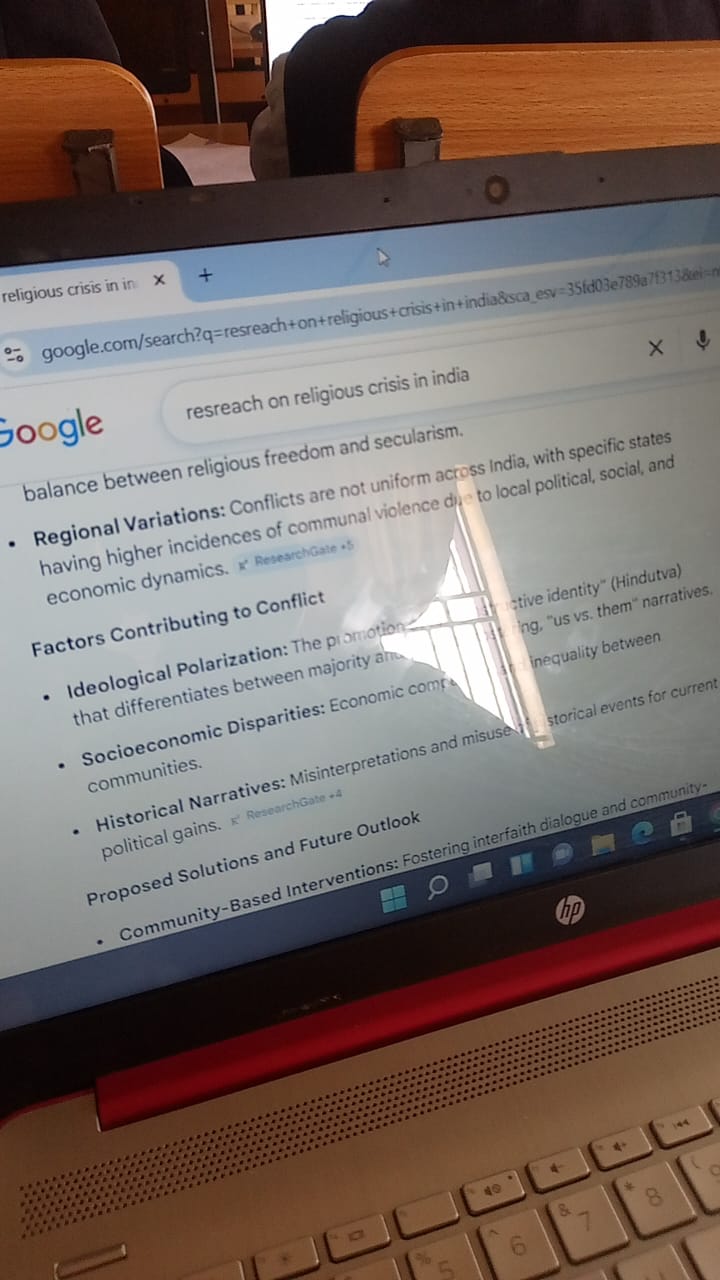
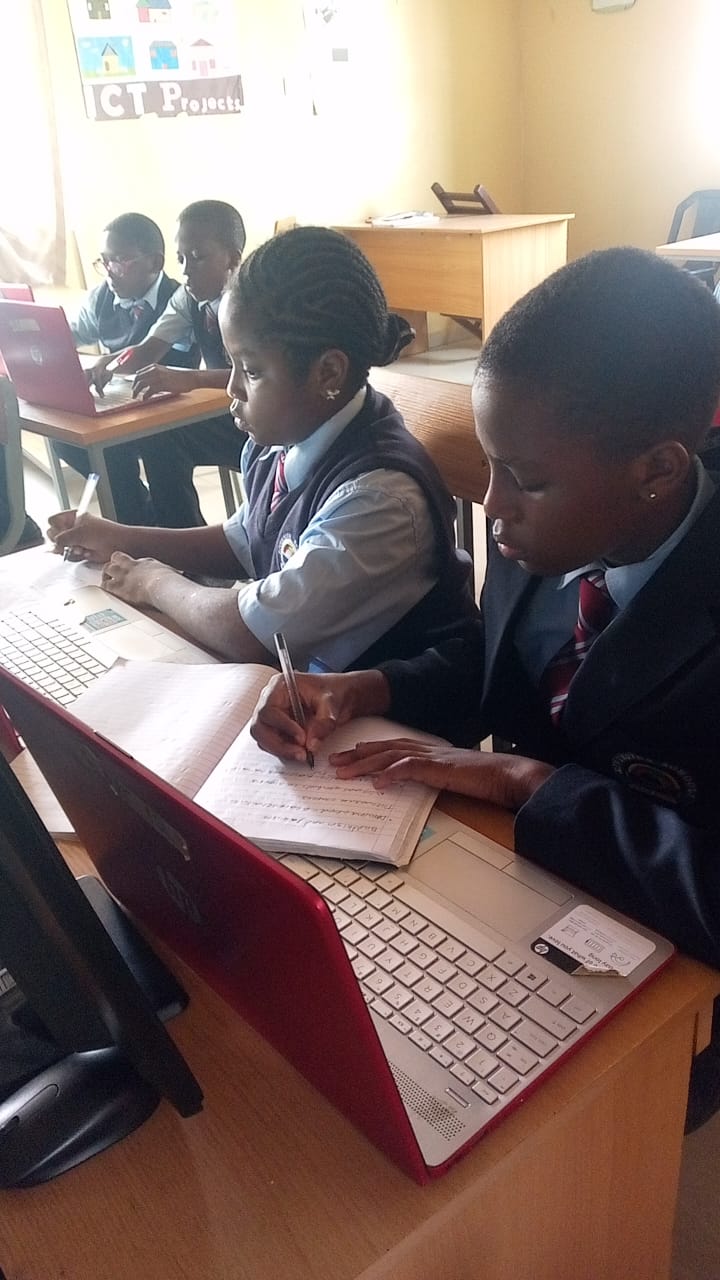
As part of the Exploiting Faith for a Peaceful World project, pupils researched the major religions practised in India and Nigeria. They explored religious beliefs, customs, festivals, and places of worship while comparing the values that promote peace, love, respect, and unity. This activity enhanced learners' research skills, global awareness, and appreciation of religious diversity, encouraging mutual respect and peaceful coexistence among people of different faiths.
Activity 2: Creating a Scrapbook on Religious Practices
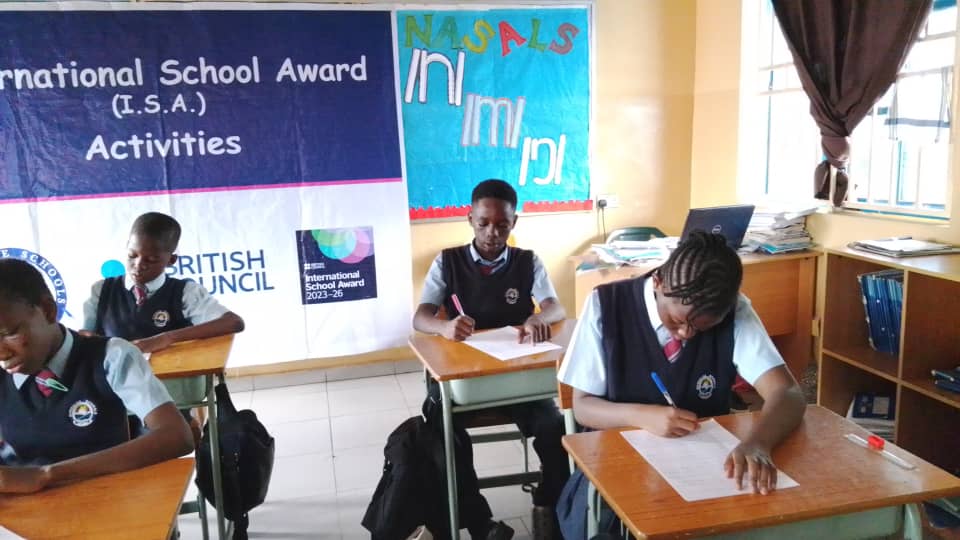
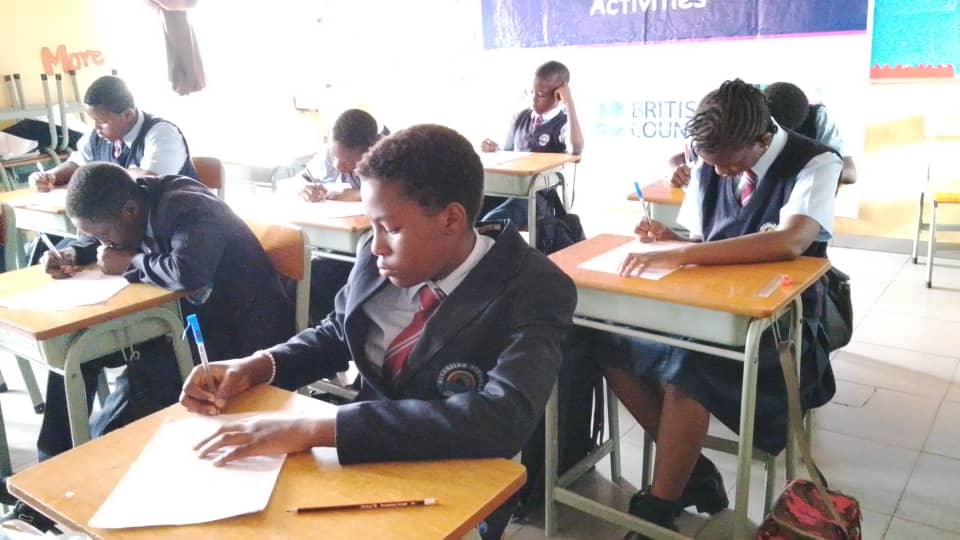
Pupils collaborated to research and design a scrapbook illustrating the religious practices of the focus countries. By exploring different beliefs, traditions, places of worship, and cultural values, learners gained a deeper appreciation of religious diversity and the importance of tolerance, respect, and peaceful coexistence. The activity strengthened research, collaboration, and creative presentation skills while promoting global citizenship.

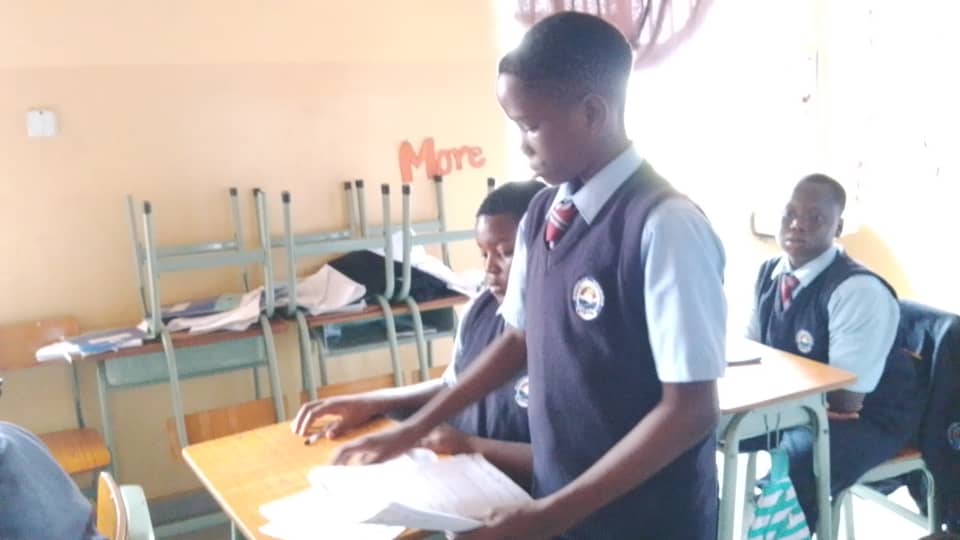
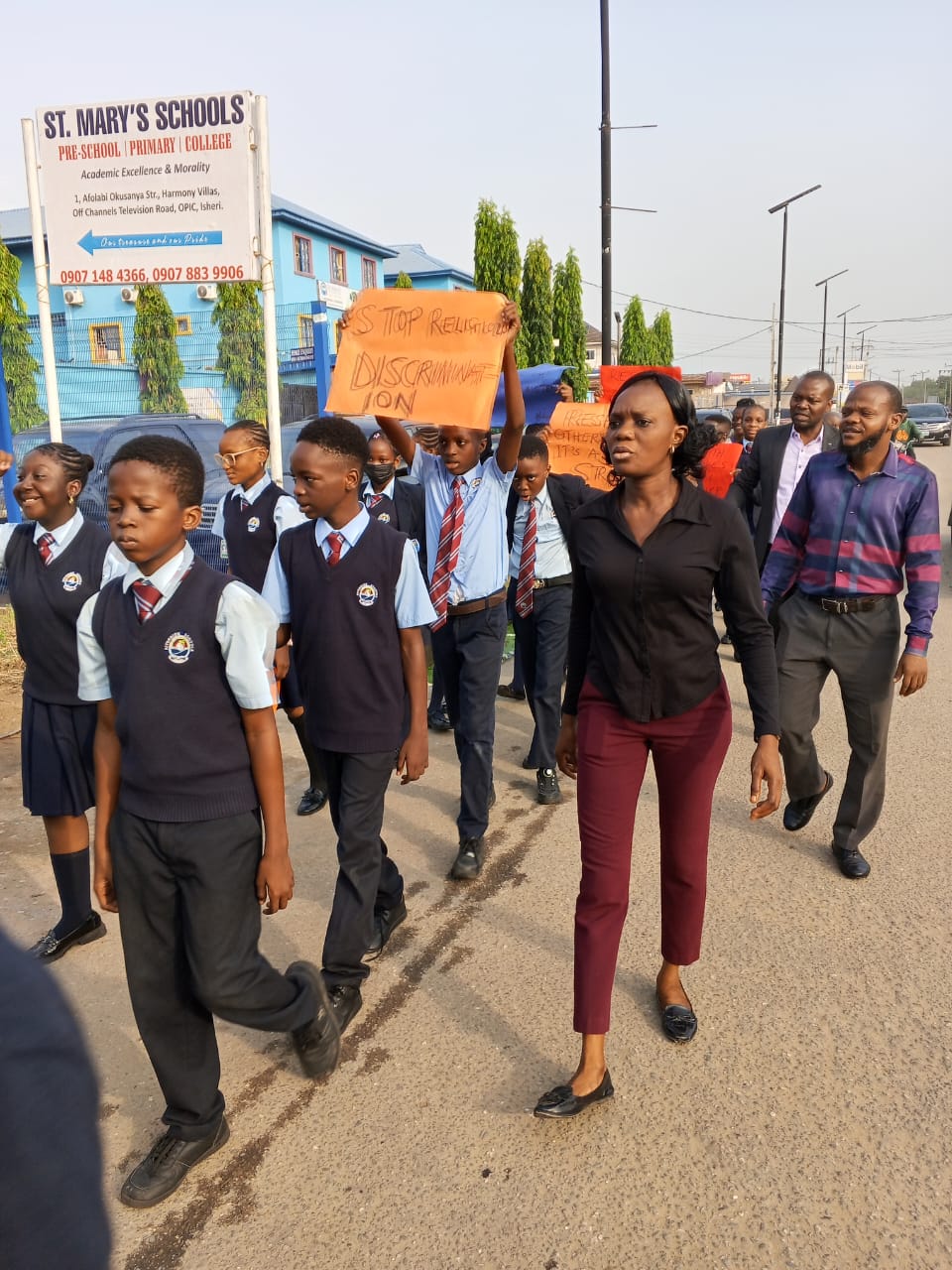
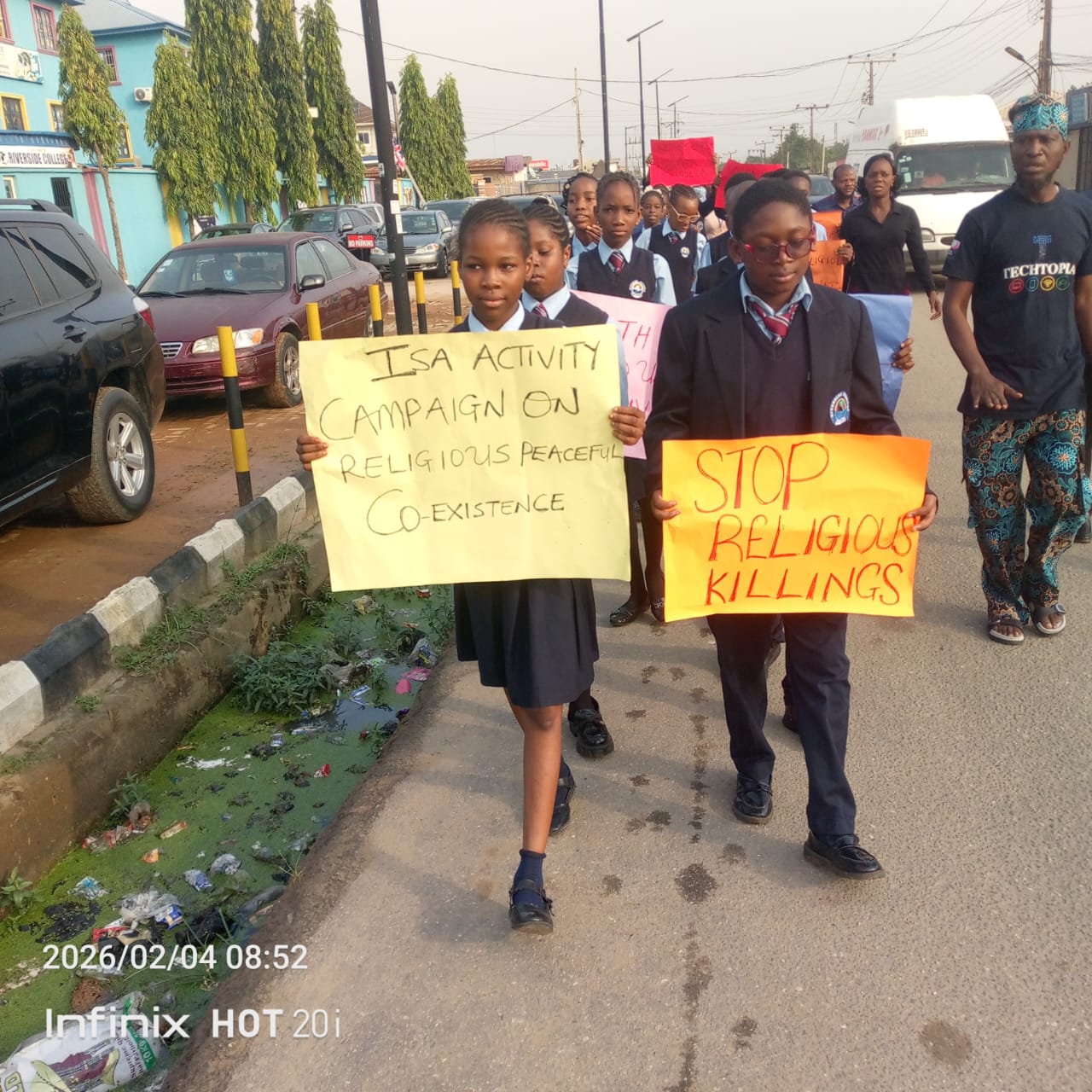
Activity 3: Peaceful Walk Campaign for Religious Tolerance
As part of the Exploiting Faith for a Peaceful World project, pupils organised a Peaceful Walk Campaign to advocate for religious tolerance and harmony. Through this awareness activity, learners shared messages promoting respect, inclusion, and peaceful coexistence among people of different beliefs. The campaign strengthened pupils' understanding of global citizenship and highlighted the importance of dialogue, empathy, and unity in creating a more peaceful world.


Activity 4: Role Play on Inter-Religious Practices in Nigeria
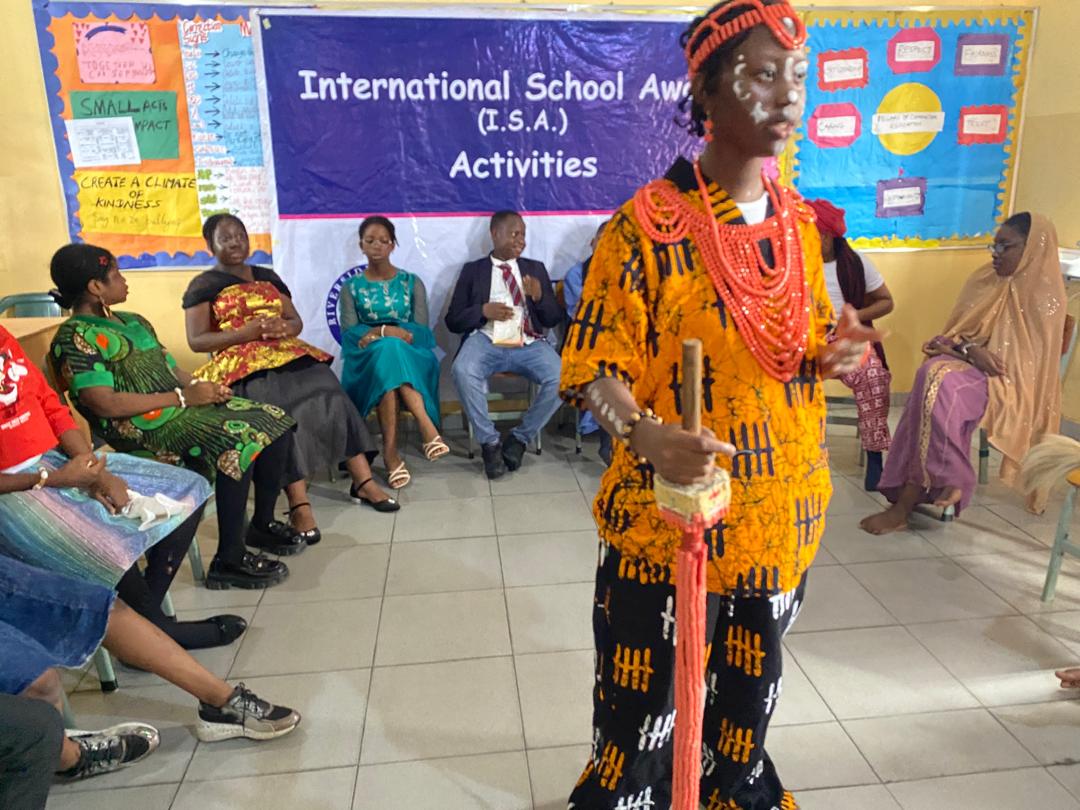
Pupils presented a role-play illustrating inter-religious practices in Nigeria, showcasing the importance of dialogue, respect, and cooperation among people of different faiths. Through this interactive activity, learners developed empathy, communication skills, and a deeper appreciation for religious diversity, reinforcing the values of peace, inclusion, and global citizenship promoted by the International School Award programme.
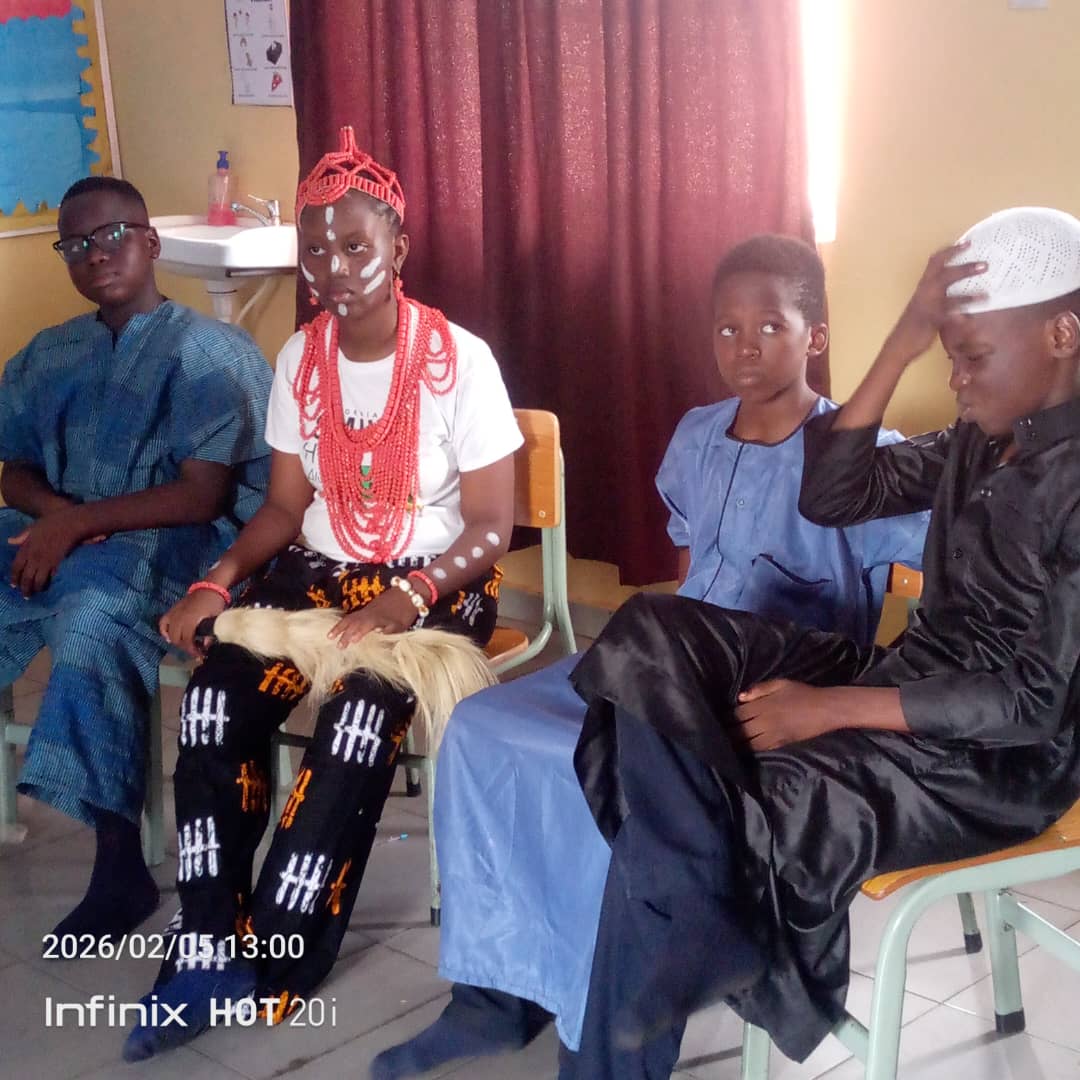

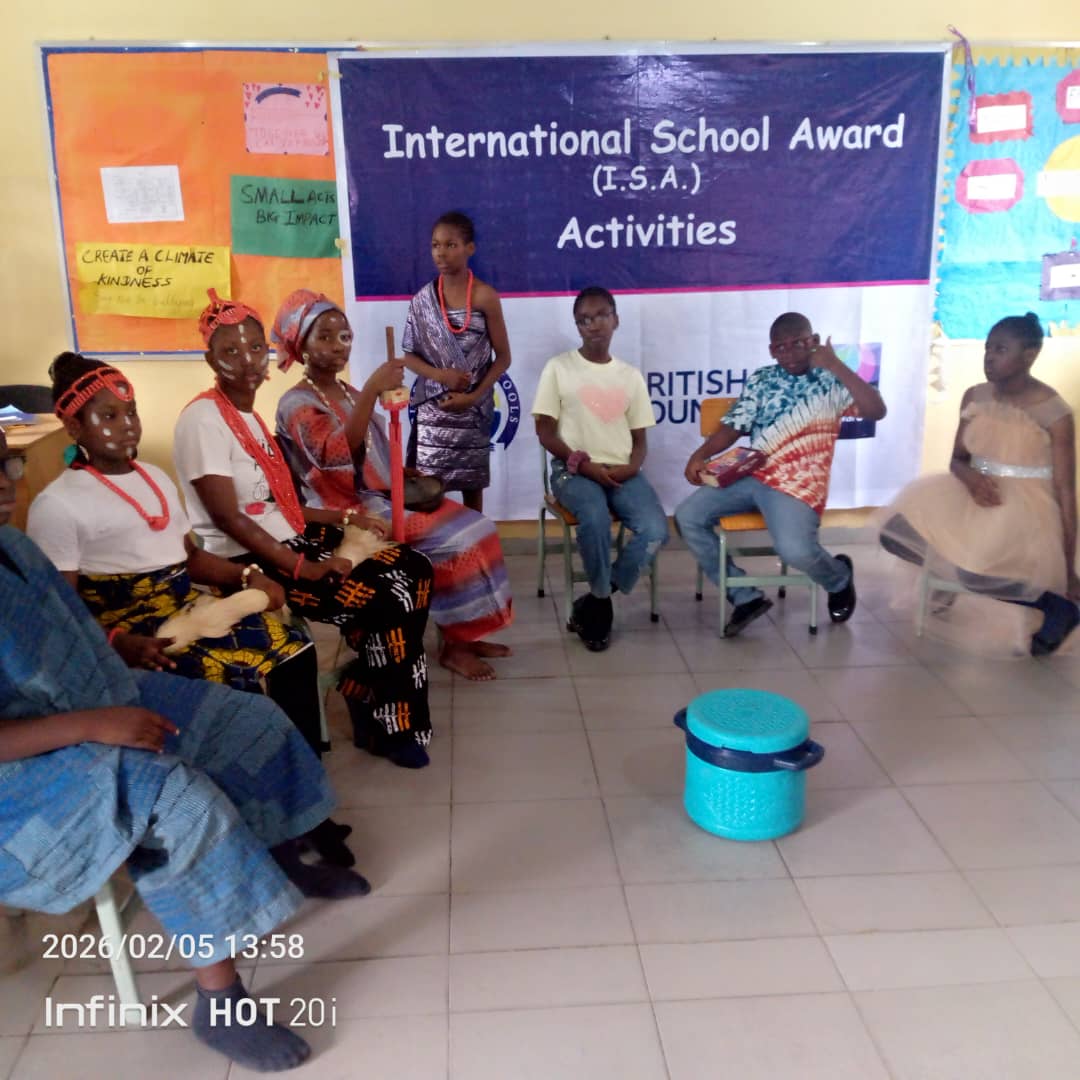
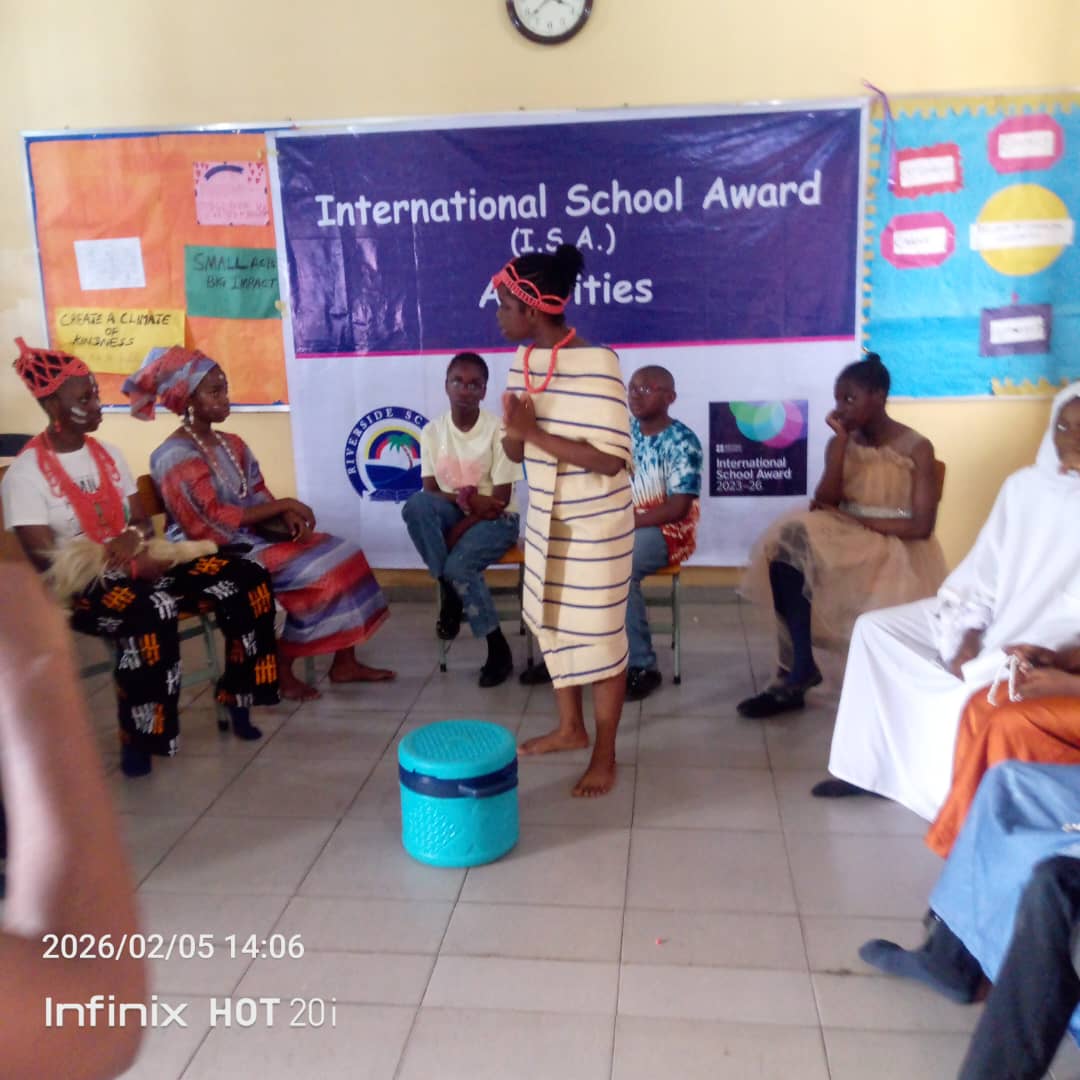

Activity 5: Role Play – Language as a Medium of Worship
Pupils organised and participated in a simulated interdenominational worship service, demonstrating how different languages can be used to express faith and foster unity. Through role play, prayers, songs, and scripture readings, learners celebrated cultural and linguistic diversity while promoting mutual respect, peaceful coexistence, and understanding among people of different faiths and backgrounds. This activity reinforced the values of inclusion, tolerance, and global citizenship.
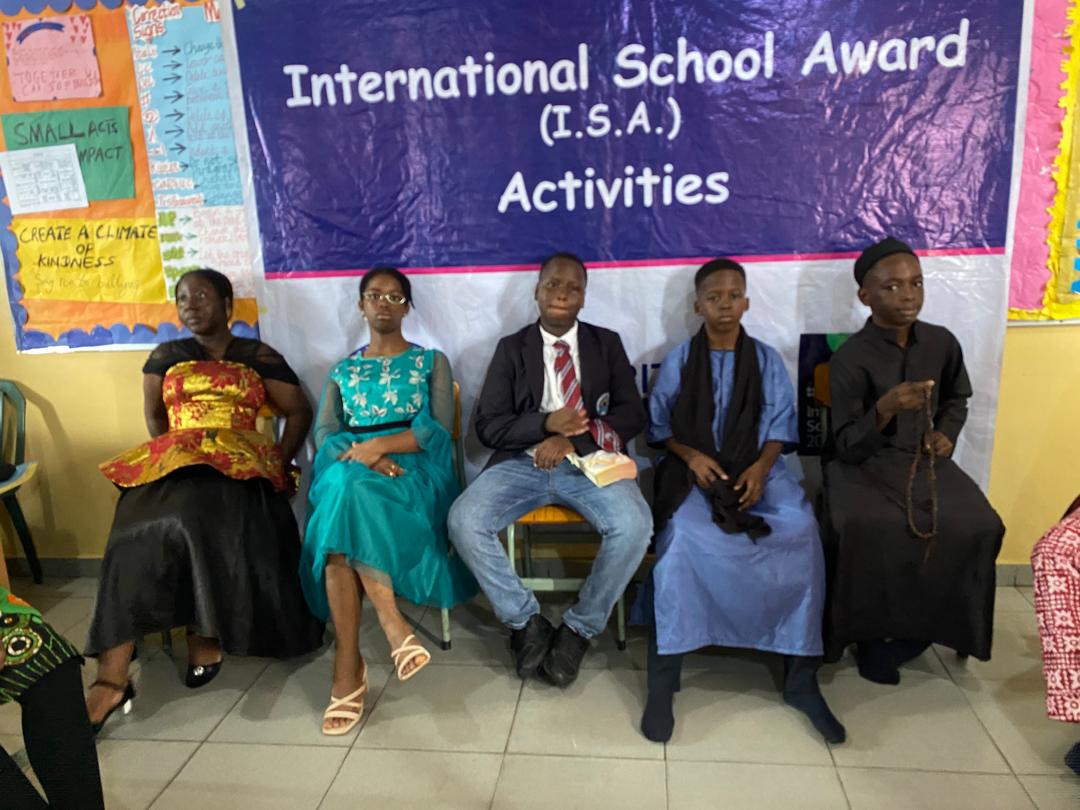
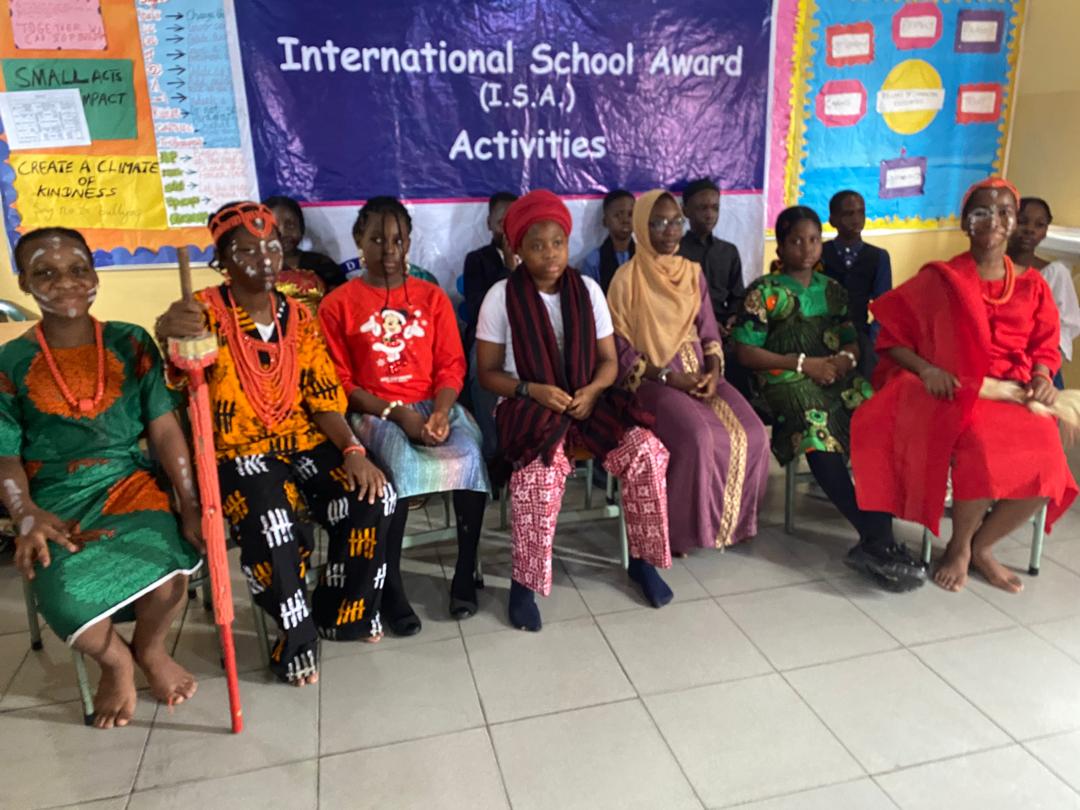
Activity 6: Creating Artwork on Religious Symbols
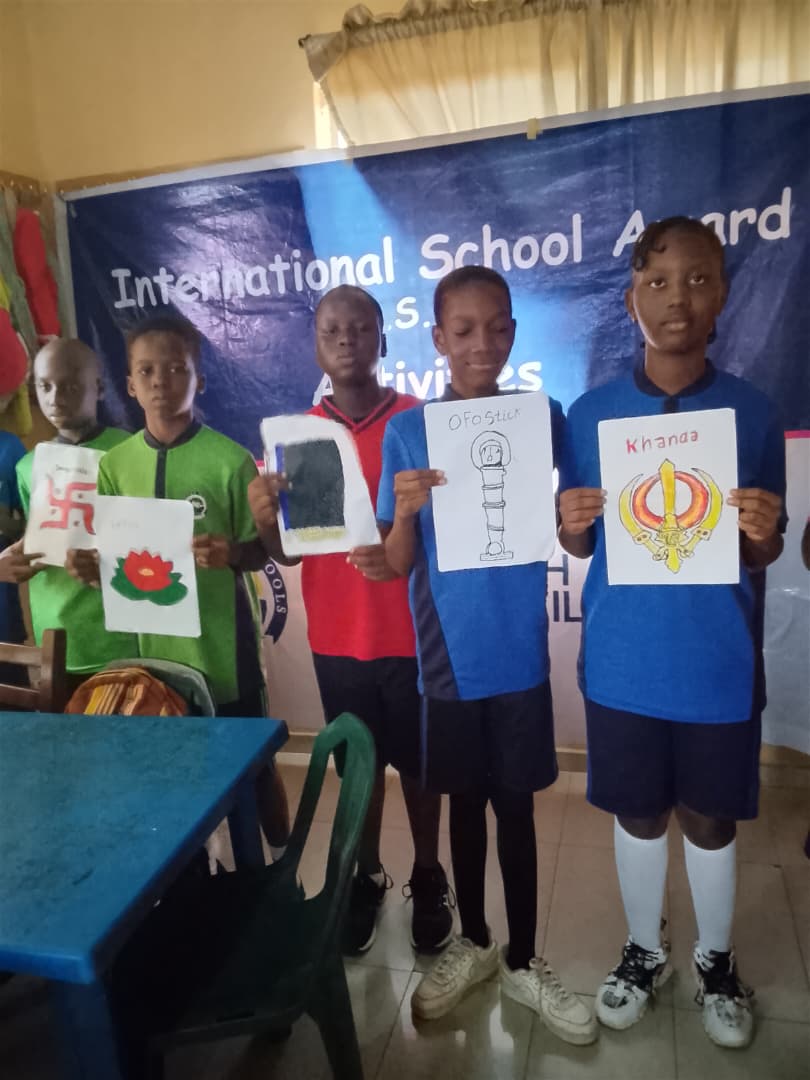
As part of the Exploiting Faith for a Peaceful World project, pupils designed and presented artworks featuring religious symbols from different faiths. Through this creative activity, learners explored the meanings and values associated with each symbol, developing a greater appreciation for religious diversity, mutual respect, and the role of faith in promoting peace and harmony within communities.



Activity 7: International Collaboration with a School in India
Pupils engaged in a virtual international collaboration with a partner school in India, exchanging ideas and presentations on cultural festivals, traditions, and celebrations. This enriching experience encouraged cross-cultural understanding, effective communication, and global citizenship while fostering mutual respect and lasting international connections.